
How to Treat Gum Recession
- Understanding Gum Recession
- Causes of Gum Recession
- Effective Treatments for Gum Recession
- Preventing Further Gum Recession
- Why Choose Dentistry Toothtruth
Understanding Gum Recession
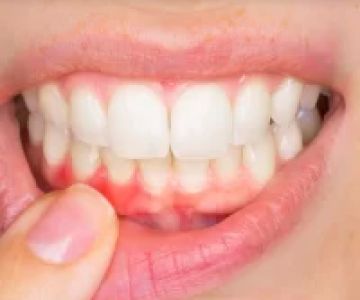
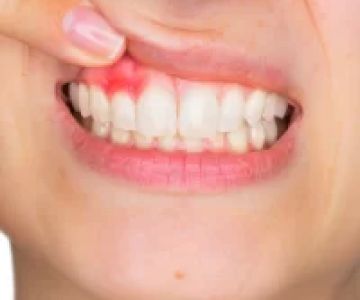
Gum recession occurs when the gum tissue surrounding the teeth pulls back, exposing more of the tooth or its root. This condition can lead to increased sensitivity, discomfort, and a higher risk of cavities and gum disease. Left untreated, gum recession may result in tooth loss and impact overall oral health.
Identifying the signs early is critical. Symptoms may include sensitive teeth, visible tooth roots, and a "longer" appearance of the teeth. Understanding this issue is the first step toward effective treatment.
Causes of Gum Recession
1. Poor Oral Hygiene
Improper brushing techniques or inadequate flossing can lead to plaque buildup, which eventually causes gum recession. Aggressive brushing can also damage the gum tissue over time.
2. Gum Disease
Periodontal diseases, such as gingivitis and periodontitis, are among the leading causes of gum recession. Bacterial infections can erode the supporting gum tissue and bone structure.
3. Genetics
Some individuals are genetically predisposed to gum recession due to thinner or weaker gum tissues, making prevention and early intervention even more important.
4. Teeth Grinding and Clenching
Bruxism, or teeth grinding, can put excessive pressure on the gums and contribute to recession. Stress management and dental appliances can help mitigate this issue.
Effective Treatments for Gum Recession
1. Scaling and Root Planing
This deep cleaning procedure removes plaque and tartar below the gum line, allowing the gums to heal and reattach to the teeth. It’s often the first step in treating mild gum recession.
2. Gum Grafting
For more severe cases, a gum grafting procedure may be necessary. This involves taking healthy gum tissue from another part of the mouth and attaching it to the affected area to restore coverage.
3. Pinhole Surgical Technique
This minimally invasive method involves making small holes in the gums and repositioning the tissue to cover exposed roots. It offers quicker recovery and less discomfort compared to traditional grafting.
4. Desensitizing Agents and Fluoride
For mild sensitivity, your dentist may recommend desensitizing treatments or fluoride applications to strengthen the teeth and reduce discomfort.
Preventing Further Gum Recession
1. Maintain Proper Oral Hygiene
Brush twice daily with a soft-bristled toothbrush and floss regularly to remove plaque buildup. Use gentle strokes to avoid damaging your gums.
2. Regular Dental Checkups
Visit your dentist at least twice a year for cleanings and examinations. Early detection of gum issues can prevent them from worsening.
3. Address Underlying Issues
Conditions like bruxism or misaligned teeth should be treated promptly to reduce stress on the gums and teeth.
Why Choose Dentistry Toothtruth
For professional and effective gum recession treatment, Dentistry Toothtruth offers advanced solutions tailored to your needs. Their expert team uses the latest techniques, including gum grafting and minimally invasive treatments, to restore your oral health.
Don’t let gum recession affect your confidence and comfort. Visit Dentistry Toothtruth to learn more about their services and take the first step toward a healthier smile.


 Windermere Orthodontics5.0 (99 review)
 White Eagle Family Dentistry4.0 (22 review)
 Mesa Valley Modern Dentistry4.0 (344 review)
 Deese Orthodontics5.0 (205 review)
 Renovo Endodontic Studio4.0 (881 review)
 Kidz R Kool Pediatric Dentistry4.0 (661 review)
 The Importance of Oral Health Education During Pregnancy for a Healthy Pregnancy
 Best Tips for Brushing Your Teeth Properly for Healthy Gums: Essential Techniques for Oral Health
 Why Skipping Dental Checkups Can Lead to Bigger Oral Health Problems
 Advantages of Porcelain Dental Restorations
 How Can Diabetes Cause Tooth and Gum Problems? Preventing and Managing Oral Health Issues
 Healthy Habits for Promoting Good Oral Health and Hygiene: Tips for a Healthy Smile