
How to Treat Gum Infection at Home: Natural Remedies and Tips
- 1. Understanding Gum Infection
- 2. Home Remedies for Gum Infection
- 3. When to See a Dentist
- 4. Preventing Gum Infections in the Future
- 5. Maintaining Good Oral Health
Gum infections, also known as gingivitis or periodontitis, are common oral health problems that can cause discomfort, swelling, and bleeding. If left untreated, these infections can lead to more severe dental issues. Fortunately, there are ways to treat gum infections at home using natural remedies, though it's important to understand the causes and symptoms before beginning treatment.
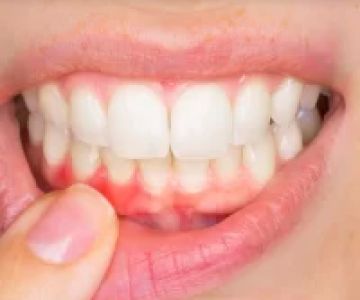
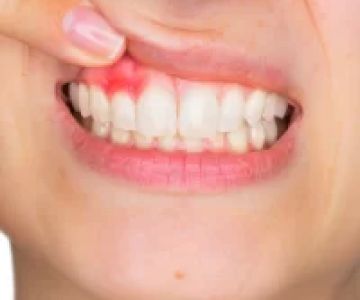
Gum infections typically occur when plaque and bacteria build up along the gum line, leading to inflammation and irritation. If you notice symptoms such as red, swollen gums, bleeding while brushing, or bad breath, it may indicate a gum infection. Early treatment can help prevent the infection from worsening and protect your overall oral health.
Home Remedies for Gum Infection
If you suspect you have a gum infection, there are several effective home remedies that may help alleviate the symptoms and promote healing:
- Salt Water Rinse: One of the most popular and effective remedies for gum infection is a salt water rinse. Salt has natural antibacterial properties that help reduce inflammation and kill bacteria. Mix a teaspoon of salt in warm water and rinse your mouth several times a day to promote healing.
- Antiseptic Mouthwash: Using an alcohol-free antiseptic mouthwash can help reduce bacteria in your mouth. Look for mouthwashes containing ingredients like chlorhexidine or hydrogen peroxide, which are known for their antibacterial properties.
- Warm Compress: Applying a warm compress to the outside of your cheek can help relieve pain and reduce swelling caused by gum infections. Be sure to apply the compress for 10-15 minutes at a time, a few times a day.
- Aloe Vera Gel: Aloe vera has soothing and anti-inflammatory properties that can help calm irritated gums. Apply fresh aloe vera gel directly to the affected area for relief.
- Turmeric Paste: Turmeric contains curcumin, an anti-inflammatory compound that may help reduce gum inflammation and promote healing. Mix turmeric powder with water to form a paste and apply it to your gums. Leave it on for a few minutes before rinsing off.
When to See a Dentist
While these home remedies can help treat mild gum infections, it’s important to know when to seek professional dental care. If you experience any of the following symptoms, it’s time to see a dentist:
- Severe Pain or Discomfort: If the pain from the gum infection becomes unbearable or doesn’t improve after using home remedies, it’s a sign that you may need professional treatment.
- Persistent Bleeding: Gums that bleed excessively, even without brushing, may indicate a more serious infection that requires medical attention.
- Fever: A fever accompanying a gum infection can be a sign that the infection has spread beyond the gums and may require antibiotics or other treatments.
- Loose Teeth: In advanced stages of gum disease, the infection can cause the teeth to loosen. If you notice this, it’s essential to consult your dentist immediately.
Preventing Gum Infections in the Future
While treating gum infections at home can be effective in the short term, prevention is key to maintaining long-term oral health. Here are some simple steps to help prevent gum infections:
- Brush Your Teeth Twice a Day: Regular brushing with fluoride toothpaste helps remove plaque and bacteria that cause gum disease. Be sure to brush for at least two minutes each time, paying attention to the gum line.
- Floss Daily: Flossing removes plaque and food particles from between your teeth and along the gum line, where your toothbrush may not reach. Make it a habit to floss at least once a day.
- Use a Mouthwash: An antimicrobial mouthwash can help kill bacteria in your mouth and reduce plaque buildup. This can be a great addition to your daily oral care routine.
- Eat a Healthy Diet: Eating a balanced diet rich in vitamins and minerals supports healthy gums and teeth. Foods high in vitamin C, such as citrus fruits and leafy greens, are particularly beneficial for gum health.
- Quit Smoking: Smoking is a major risk factor for gum disease. If you smoke, quitting can significantly improve your gum health and reduce the risk of infection.
Maintaining Good Oral Health
Beyond preventing gum infections, maintaining overall good oral health is essential for keeping your teeth and gums in top condition. Regular dental checkups, professional cleanings, and the right at-home oral care routine are key to achieving a healthy smile.
If you’re looking to keep your gums and teeth in the best shape possible, make regular visits to your dentist and follow a comprehensive oral care routine that includes brushing, flossing, and using mouthwash. For more tips and products to improve your oral health, visit Dentistry Toothtruth.




 Columbia Dental Associates | Dr. Syngbum Kim DDS | Dr. Jonathane Jeon DDS | 김승범 치과 | 전경수 교4.0 (19 review)
 Divine Dentistry4.0 (434 review)
 Greenberg Dental & Orthodontics4.0 (995 review)
 Sage Dental of Holly Springs0.0 (0 review)
 Clark Pediatric Dentistry5.0 (4 review)
 Pasternack Pediatric Dental4.0 (40 review)
 The Importance of Oral Health Education During Pregnancy for a Healthy Pregnancy
 Best Tips for Brushing Your Teeth Properly for Healthy Gums: Essential Techniques for Oral Health
 Why Skipping Dental Checkups Can Lead to Bigger Oral Health Problems
 Advantages of Porcelain Dental Restorations
 How Can Diabetes Cause Tooth and Gum Problems? Preventing and Managing Oral Health Issues
 Healthy Habits for Promoting Good Oral Health and Hygiene: Tips for a Healthy Smile