
How to Treat Gum Disease Without a Dentist: Effective Home Remedies and Prevention Tips
- Understanding Gum Disease
- Early Signs of Gum Disease
- Natural Remedies for Gum Disease
- Preventing Gum Disease at Home
- Real-Life Experiences with Treating Gum Disease
- Conclusion and Final Thoughts
Understanding Gum Disease
Gum disease, also known as periodontal disease, is a common condition that affects the gums and the bones supporting your teeth. It typically starts as gingivitis, a mild form of gum disease that causes irritation and redness in the gums. If left untreated, it can progress to more severe forms, potentially leading to tooth loss. The good news is that gum disease can often be managed and treated without the immediate need for a dentist, especially in the early stages.
Early Signs of Gum Disease
Recognizing the early signs of gum disease is crucial for effective home treatment. Some of the early symptoms include:
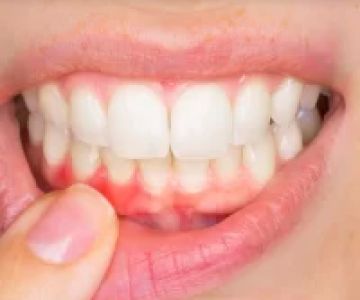
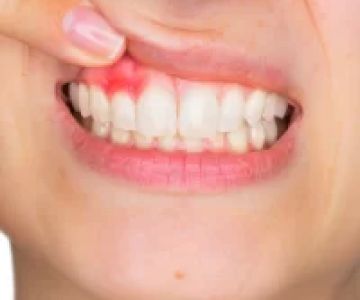
- Red, Swollen Gums: Your gums may appear red and inflamed, especially after brushing or flossing.
- Bleeding Gums: If your gums bleed when brushing or flossing, this could be an early sign of gum disease.
- Bad Breath: Persistent bad breath, also known as halitosis, is another common indicator of gum disease.
- Receding Gums: Gums that pull away from the teeth, exposing more of the tooth surface, may indicate advanced gum issues.
Identifying these symptoms early can allow you to take action before the disease progresses to more severe stages.
Natural Remedies for Gum Disease
While visiting a dentist is essential for treating advanced gum disease, there are several home remedies you can try to alleviate early gum disease symptoms and promote healthier gums:
- Saltwater Rinse: Rinsing your mouth with a saltwater solution can help reduce inflammation and remove bacteria from the gums.
- Oil Pulling: Swishing coconut oil or sesame oil in your mouth for 10-15 minutes may reduce plaque buildup and improve gum health.
- Tea Tree Oil: Known for its antimicrobial properties, tea tree oil can help fight bacteria and reduce gum inflammation. Mix a drop of tea tree oil with water and rinse your mouth.
- Aloe Vera: Aloe vera gel can soothe irritated gums and promote healing. You can apply the gel directly to the gums for relief.
- Green Tea: Drinking green tea can help reduce gum inflammation and prevent the growth of harmful bacteria.
These remedies can be used to manage mild cases of gum disease. However, if symptoms persist or worsen, it’s important to consult a dentist.
Preventing Gum Disease at Home
Prevention is key to maintaining healthy gums and preventing the onset of gum disease. Here are some effective habits to incorporate into your daily routine:
- Brush Twice a Day: Brush your teeth and gums with fluoride toothpaste to remove plaque and prevent bacteria buildup.
- Floss Daily: Flossing removes food particles and plaque from between the teeth, areas that brushing alone cannot reach.
- Use Mouthwash: An antibacterial mouthwash can help reduce plaque and fight off bacteria that cause gum disease.
- Eat a Healthy Diet: Eating a balanced diet rich in vitamins and minerals supports gum health and strengthens your immune system.
- Quit Smoking: Smoking weakens your immune system and makes it harder for your gums to heal, so quitting can significantly reduce the risk of gum disease.
By following these simple habits, you can significantly reduce the likelihood of developing gum disease and keep your gums healthy for years to come.
Real-Life Experiences with Treating Gum Disease
Many people have successfully managed mild gum disease without seeing a dentist by incorporating home remedies and proper oral hygiene. Take Maria, for example. She started noticing bleeding gums and bad breath, but instead of panicking, she began rinsing with saltwater and using oil pulling daily. Within a few weeks, her symptoms improved significantly. However, after a few months, she noticed some minor discomfort, and she decided to visit a dentist for a professional cleaning, just to be safe.
Another case involves John, who struggled with gum recession and irritation. After learning about the benefits of aloe vera and green tea, he started using both regularly. His gums became less inflamed, and the recession slowed down. However, John also committed to seeing his dentist twice a year for check-ups, ensuring that his efforts at home supported his long-term gum health.
These real-life stories show that while home remedies can help manage gum disease in its early stages, regular professional care is still important for optimal oral health.
Conclusion and Final Thoughts
While gum disease can often be managed at home with natural remedies and preventive practices, it's essential to recognize when professional care is necessary. Early intervention can prevent more severe issues down the line. If you’re experiencing symptoms of gum disease, consider implementing the home remedies mentioned above and maintaining a rigorous oral care routine. For long-term health, don’t forget the importance of regular dental check-ups.
For more information on preventing and treating gum disease, visit Dentistry Toothtruth to explore the latest oral health products and services.



 ADVANCED SMILES PC4.0 (205 review)
 Cal Dental of Van Nuys4.0 (109 review)
 Dr. Dhaval Shah, DDS1.0 (1 review)
 Dentistry for Children - Cumming Midway4.0 (275 review)
 Dr. James C. Kincaid5.0 (39 review)
 Smile Dental of New Rochelle5.0 (242 review)
 The Importance of Oral Health Education During Pregnancy for a Healthy Pregnancy
 Best Tips for Brushing Your Teeth Properly for Healthy Gums: Essential Techniques for Oral Health
 Why Skipping Dental Checkups Can Lead to Bigger Oral Health Problems
 Advantages of Porcelain Dental Restorations
 How Can Diabetes Cause Tooth and Gum Problems? Preventing and Managing Oral Health Issues
 Healthy Habits for Promoting Good Oral Health and Hygiene: Tips for a Healthy Smile