
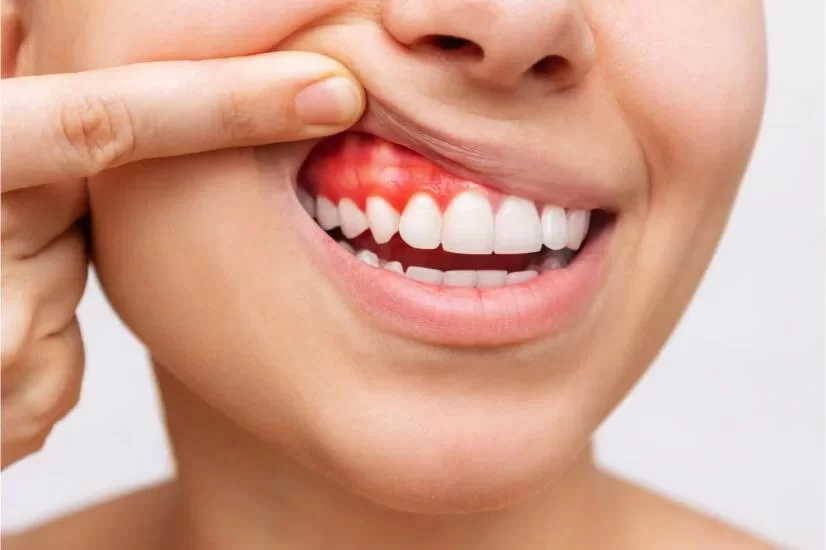
How to Treat Gingivitis at Home: Natural Remedies and Effective Treatments
- 1. What is Gingivitis and How Does It Affect Your Gums?
- 2. Symptoms of Gingivitis: How to Recognize the Early Signs
- 3. Natural Remedies for Gingivitis: How to Treat It at Home
- 4. How to Prevent Gingivitis and Maintain Healthy Gums
1. What is Gingivitis and How Does It Affect Your Gums?
Gingivitis is a common and mild form of gum disease that causes irritation, redness, and swelling (inflammation) of your gums. It’s usually caused by poor oral hygiene that encourages plaque to form on teeth, leading to inflammation of the gums. Though gingivitis is common, it is treatable and reversible with proper care.
Without treatment, gingivitis can lead to more serious gum disease, which can result in tooth loss. Fortunately, you don’t always need to visit the dentist immediately to treat gingivitis. In many cases, simple home remedies and good oral hygiene can reverse the condition.
2. Symptoms of Gingivitis: How to Recognize the Early Signs
Recognizing the symptoms of gingivitis early is key to treating it effectively at home. Common signs of gingivitis include:
2.1 Red, Swollen, or Bleeding Gums
The most noticeable symptom is gums that bleed easily when brushing or flossing. They may also appear red, swollen, or puffy rather than their normal pinkish hue.
2.2 Bad Breath
Persistent bad breath (halitosis) is another sign that you may have gingivitis. The buildup of bacteria and plaque in your mouth can lead to an unpleasant odor.
2.3 Receding Gums
If you notice that your gums are starting to pull away from your teeth, this is a sign of early gum disease. If left untreated, this can lead to further damage to the tissues around your teeth.
2.4 Tenderness or Painful Gums
Your gums may feel sore or tender, especially when brushing or eating certain foods like hard or crunchy items.
3. Natural Remedies for Gingivitis: How to Treat It at Home
There are several effective natural remedies you can use to treat gingivitis at home and improve your gum health. Here are a few options that may help:
3.1 Saltwater Rinse
A saltwater rinse is one of the simplest and most effective ways to reduce gum inflammation and kill harmful bacteria in your mouth. Simply mix a teaspoon of salt into a glass of warm water and swish it around your mouth for 30 seconds to a minute. Doing this twice a day can help soothe your gums and speed up healing.
3.2 Oil Pulling with Coconut Oil
Oil pulling is an ancient technique that involves swishing oil (usually coconut oil) around your mouth for several minutes. It helps remove bacteria and plaque that contribute to gum disease. Coconut oil has natural antibacterial properties, making it particularly effective for treating gingivitis.
3.3 Aloe Vera Gel
Aloe vera is known for its soothing and anti-inflammatory properties. You can apply fresh aloe vera gel directly to your gums to reduce irritation and promote healing. Aloe vera gel may also help reduce the growth of bacteria in the mouth.
3.4 Turmeric Paste
Turmeric has been used for centuries for its healing properties, and its active compound, curcumin, is known for its anti-inflammatory and antibacterial effects. You can make a paste by mixing turmeric powder with water and apply it to your gums for a few minutes before rinsing it off.
3.5 Hydrogen Peroxide Solution
Hydrogen peroxide can be used as a mouth rinse to kill bacteria and promote gum healing. Use a diluted solution (mix 1 part hydrogen peroxide with 2 parts water) and swish it around your mouth for about 30 seconds, then rinse with water. Be cautious and avoid swallowing the solution.
While these remedies can be helpful for managing gingivitis at home, it’s important to also maintain good oral hygiene, including brushing twice daily with fluoride toothpaste and flossing regularly.
4. How to Prevent Gingivitis and Maintain Healthy Gums
Prevention is key when it comes to gingivitis. Here are some practical tips to keep your gums healthy and free from disease:
4.1 Brush and Floss Regularly
The best way to prevent gingivitis is by brushing and flossing your teeth regularly. Brush at least twice a day and floss once a day to remove plaque from areas your toothbrush can’t reach.
4.2 Visit Your Dentist Regularly
Even if you're managing gingivitis at home, regular dental checkups are crucial. A dentist can detect early signs of gum disease and perform professional cleanings to remove plaque buildup that you may have missed.
4.3 Use an Antibacterial Mouthwash
An antibacterial mouthwash can help kill bacteria that cause plaque buildup and reduce the risk of developing gingivitis. Look for a mouthwash that contains ingredients like chlorhexidine or cetylpyridinium chloride.
4.4 Eat a Balanced Diet
Eating a healthy diet rich in vitamins and minerals, particularly vitamin C, can help strengthen your gums and fight gum disease. Foods like fruits, vegetables, and nuts are excellent choices to support your oral health.
4.5 Quit Smoking
Smoking is a major risk factor for developing gingivitis. Quitting smoking will not only improve your overall health but also significantly reduce your risk of gum disease.
If you're looking for professional solutions to help treat or prevent gingivitis, consider visiting Dentistry Toothtruth for personalized care and advice. Our dental experts can guide you in achieving optimal gum health and a brighter smile.




 Dr. Shaifali Rametra, DDS / MS / MBA / MOLAR TO MOLAR DENTISTRY3.0 (26 review)
 Associated Orthodontists - Joliet4.0 (132 review)
 Dental Implant Studio of Montgomery4.0 (26 review)
 Your Smile Dental Wellness Center - Dr. Yvonne Caton-Hospedales4.0 (451 review)
 Fairview Dental4.0 (108 review)
 Highland Dental4.0 (168 review)
 The Importance of Oral Health Education During Pregnancy for a Healthy Pregnancy
 Best Tips for Brushing Your Teeth Properly for Healthy Gums: Essential Techniques for Oral Health
 Why Skipping Dental Checkups Can Lead to Bigger Oral Health Problems
 Advantages of Porcelain Dental Restorations
 How Can Diabetes Cause Tooth and Gum Problems? Preventing and Managing Oral Health Issues
 Healthy Habits for Promoting Good Oral Health and Hygiene: Tips for a Healthy Smile