
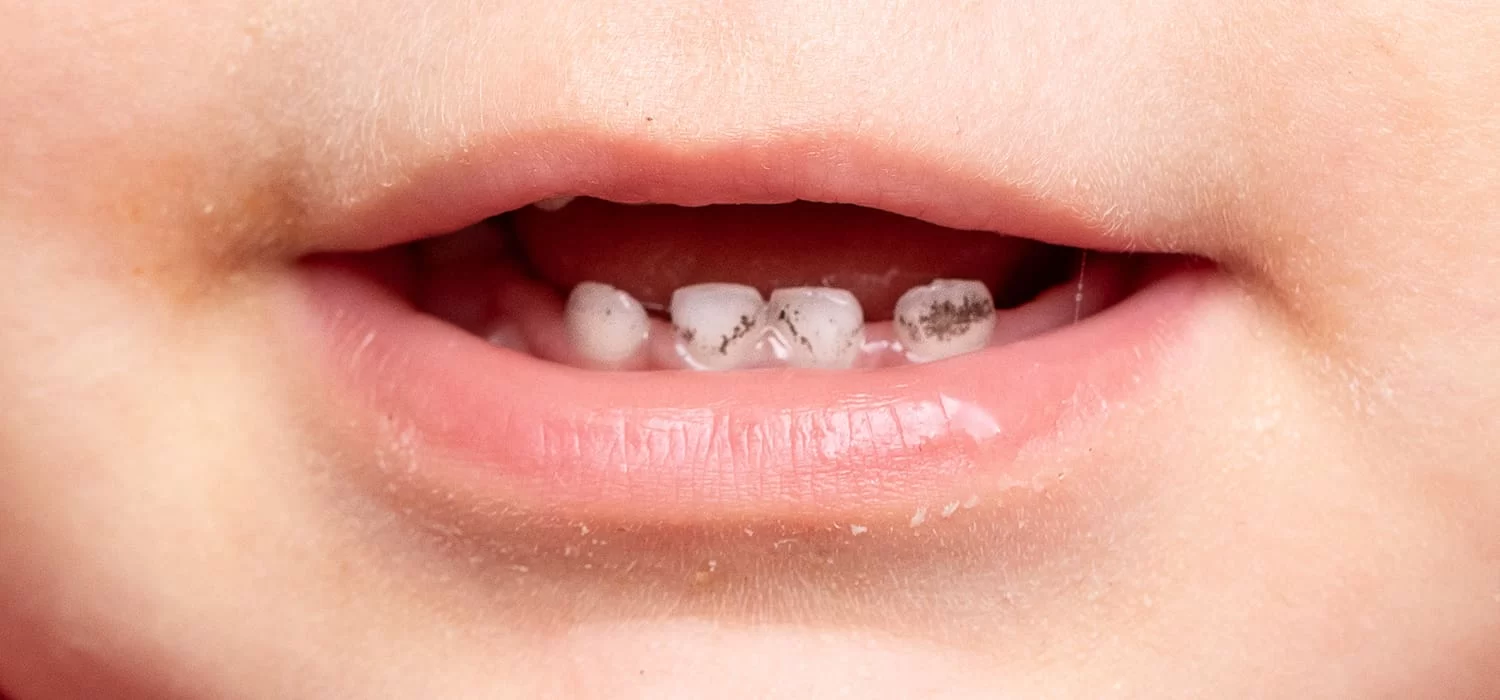
How to Treat a Cavity in a Baby Tooth: Effective Tips for Parents
- 1. Understanding Cavities in Baby Teeth
- 2. Signs Your Child May Have a Cavity
- 3. Treating a Cavity in a Baby Tooth at Home
- 4. When to Visit the Dentist
- 5. Preventing Cavities in Baby Teeth
- 6. How to Care for Your Child's Teeth Moving Forward
1. Understanding Cavities in Baby Teeth
Cavities in baby teeth are common, and while it may feel unsettling as a parent, they can be managed effectively. Baby teeth, though temporary, play a crucial role in your child's development. They help your child chew, speak, and maintain space for permanent teeth. However, poor oral hygiene can lead to tooth decay, which can cause pain and infection. Understanding how to treat a cavity in a baby tooth is important for maintaining both their dental health and overall well-being.
2. Signs Your Child May Have a Cavity
Noticing a cavity in a baby tooth early can help prevent it from worsening. Some common signs to watch for include:
- Visible holes or pits on the tooth surface
- White or brown spots on the teeth
- Complaints of tooth pain, especially while eating or drinking
- Swelling or tenderness in the gums around the affected tooth
If you observe any of these signs, it may be time to address the issue before it escalates.
3. Treating a Cavity in a Baby Tooth at Home
While professional dental care is essential for severe cavities, there are some ways to manage a cavity in a baby tooth at home, particularly for minor cases:
- Good Oral Hygiene: Make sure your child brushes their teeth twice a day with fluoride toothpaste. This helps to remove food particles and plaque that could worsen the cavity.
- Fluoride Treatments: Some parents use fluoride toothpaste or rinse as a preventive measure. Fluoride can help remineralize enamel and may prevent further decay.
- Pain Relief: If your child is experiencing pain, over-the-counter pain relievers like acetaminophen or ibuprofen can offer temporary relief. Be sure to follow dosage instructions and consult with your pediatrician.
- Dietary Adjustments: Avoid sugary foods and drinks, as these can exacerbate the cavity. Offer healthy snacks like fruits, vegetables, and cheese, which are less likely to cause tooth decay.
These at-home steps can help manage the situation temporarily, but they are not a long-term solution. Consulting a dentist is highly recommended for a permanent fix.
4. When to Visit the Dentist
It's important to know when home remedies are no longer enough. If the cavity is causing your child significant pain, or if you notice that the cavity is getting worse despite your efforts, it’s time to visit the dentist. A professional can assess the damage, perform a filling, or recommend further treatment.
For example, in one case, a mother noticed that her 4-year-old child had persistent tooth pain, especially after eating sweets. After trying some at-home care, the pain didn’t subside. A dental check-up revealed a deeper cavity that needed a filling. Early intervention could have prevented this issue from becoming more serious.
5. Preventing Cavities in Baby Teeth
Preventing cavities from forming in the first place is always the best approach. Some helpful tips to prevent tooth decay include:
- Regular Brushing: Ensure that your child brushes their teeth twice daily using fluoride toothpaste. Help them until they are able to do it themselves around age 7.
- Flossing: Flossing once a day helps remove food particles between teeth that brushing might miss.
- Limit Sugary Snacks: Try to limit sugary snacks and drinks, particularly between meals. Water and milk are better alternatives.
- Regular Dental Check-ups: Schedule your child’s first dental visit by age 1, and continue with regular check-ups as recommended by your dentist.
By adopting these habits, you can significantly reduce the risk of cavities in your child’s baby teeth.
6. How to Care for Your Child's Teeth Moving Forward
Once your child’s baby tooth has been treated, it's important to continue good oral care habits for the future. In addition to regular brushing, take steps to educate your child on the importance of their oral health, including the long-term benefits of keeping their teeth clean and free of cavities.
If you're looking for trusted products to help care for your child's teeth, you can explore our recommendations at Dentistry Toothtruth. We offer a range of child-friendly dental products that promote healthy teeth and gums.






 Dr. Gary Manukyan, DDS4.0 (35 review)
 Enrique M Ochoa DDS Inc3.0 (36 review)
 Henry J. Austin Health Center at Ewing Street3.0 (33 review)
 BGW Dental Group4.0 (292 review)
 Hawthorne Dental Associates5.0 (463 review)
 TwinCare Dental3.0 (94 review)
 The Importance of Oral Health Education During Pregnancy for a Healthy Pregnancy
 Best Tips for Brushing Your Teeth Properly for Healthy Gums: Essential Techniques for Oral Health
 Why Skipping Dental Checkups Can Lead to Bigger Oral Health Problems
 Advantages of Porcelain Dental Restorations
 How Can Diabetes Cause Tooth and Gum Problems? Preventing and Managing Oral Health Issues
 Healthy Habits for Promoting Good Oral Health and Hygiene: Tips for a Healthy Smile