
Understanding the Importance of Addressing Poor Oral Hygiene
Discussing someone’s poor oral hygiene can be a delicate matter, especially in the United States where social etiquette often discourages bringing up personal hygiene issues directly. However, ignoring the problem may affect the person's social, professional, and health aspects. Poor oral hygiene not only causes bad breath but can lead to gum disease, tooth decay, and even systemic health problems such as heart disease and diabetes.
Before initiating the conversation, it's essential to recognize that oral hygiene can be a sensitive topic. Many individuals may feel embarrassed or unaware of the issue. Approaching this subject with empathy and respect helps maintain the relationship while encouraging positive change.
Why It’s Difficult to Talk About Oral Hygiene
Talking about hygiene issues, particularly oral care, is challenging because it can imply a judgment about personal habits. People may react defensively or feel ashamed, which can shut down any productive conversation. This is especially true in cultures where politeness and privacy are highly valued, like in many American communities.
Another barrier is the lack of awareness. Some people might not realize their oral hygiene is poor due to infrequent dental visits or misunderstanding proper care. Sometimes, health conditions like dry mouth or medications can worsen oral health unintentionally.
1. Preparing Yourself Before the Conversation
Before addressing the topic, consider your motivation and choose a private, comfortable setting where the person won’t feel exposed or embarrassed. Reflect on your relationship—close friends or family members may respond better to honest discussions than acquaintances or coworkers.
Using “I” statements rather than accusatory language softens the message. For example, instead of saying “You have bad breath,” try “I noticed a smell sometimes, and I thought maybe it’s something we could figure out together.” This opens the door for a supportive conversation rather than confrontation.
2. How to Start the Conversation Tactfully
Begin with care and concern rather than criticism. You might share your own experience with oral care challenges or mention a recent dental visit as an entry point. For instance, “I went to the dentist recently and learned some great tips for keeping fresh breath. Have you had a chance to see a dentist lately?”
This method normalizes the topic and encourages dialogue without making the other person feel singled out.
3. Offering Helpful Suggestions Without Judgment
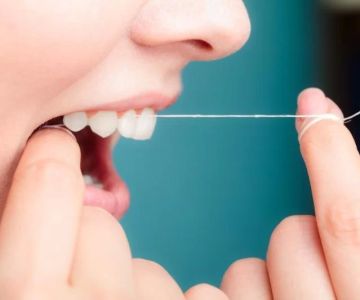
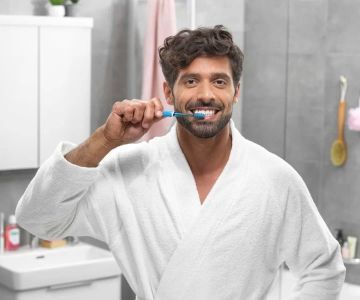
When discussing oral hygiene improvements, offer practical and non-judgmental advice. Recommend simple habits such as brushing twice daily with fluoride toothpaste, flossing, using mouthwash, and scheduling regular dental check-ups. Avoid medical jargon; keep explanations clear and accessible.
You might say, “Sometimes I forget to floss regularly, but it really makes a difference in how clean my mouth feels. Maybe we could remind each other to keep up with it?” This approach fosters mutual support.
4. Recognizing Underlying Health or Lifestyle Factors
Poor oral hygiene might be linked to health issues like diabetes, dry mouth, or medication side effects. Stress or depression can also reduce motivation for self-care. Understanding these factors helps you approach the subject with compassion.
If you suspect these causes, gently suggest consulting a healthcare professional. You can say, “Sometimes when people are under stress or taking certain medications, their mouth health changes. Maybe a doctor or dentist could help figure that out.”
5. When to Encourage Professional Help
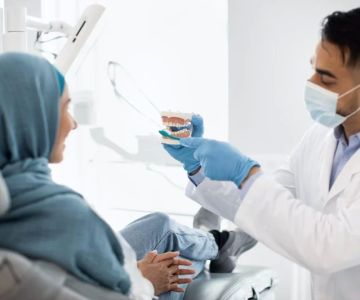
If your loved one or colleague is resistant or unaware of their oral hygiene problems, encouraging a dental visit is crucial. Regular professional cleanings and exams detect problems early and provide personalized advice.
Sharing positive experiences or offering to accompany them to a dental appointment can alleviate anxiety. Highlighting the benefits beyond aesthetics, such as preventing pain and improving overall health, reinforces the importance.
Real-Life Story: How Honest Conversation Improved a Friend’s Oral Health
Jessica had struggled for months noticing a close friend’s persistent bad breath. Unsure how to approach the topic, she finally chose a casual moment to share her own dental care routine struggles and asked if they’d like to try new flossing tips together. Her friend appreciated the openness and later admitted feeling embarrassed but grateful.
With Jessica’s encouragement, the friend scheduled a dental check-up and discovered early gum disease. Treatment and improved habits restored her confidence and health. This story illustrates how sensitive, honest communication can lead to positive change.
Tips to Maintain a Supportive and Respectful Tone
Remember these key points when talking about poor oral hygiene:
1. Focus on health and well-being rather than appearance
Emphasize how good oral hygiene supports overall health to reduce stigma.
2. Avoid public confrontation
Always choose a private setting to protect the person’s dignity.
3. Use empathy and listen actively
Be prepared to hear concerns or barriers they face and offer understanding.
4. Encourage gradual changes
Suggest small, manageable steps instead of overwhelming advice.
5. Follow up kindly
Check in later without pressure, showing ongoing support.
Enhancing Oral Hygiene Conversations with Expert Resources
For those seeking professional guidance on oral hygiene topics, Dentistry Toothtruth offers expert advice and services tailored to your needs. Whether you want to improve your own habits or learn how to approach sensitive conversations with loved ones, Dentistry Toothtruth provides trustworthy resources and personalized recommendations.
Taking the step to discuss poor oral hygiene thoughtfully can improve relationships and health outcomes. With patience and care, these conversations become opportunities for support and positive change.

 Oakdale Family Dentistry4.0 (45 review)
 Triplett & Livingston Dental5.0 (964 review)
 Equitas Health Short North Medical Center3.0 (96 review)
 Dr. Edward Perdue Pediatric Dentistry4.0 (410 review)
 Pediatric Dental Associates of Randolph4.0 (1772 review)
 Fifth Avenue Dental4.0 (750 review)
 The Importance of Oral Health Education During Pregnancy for a Healthy Pregnancy
 Best Tips for Brushing Your Teeth Properly for Healthy Gums: Essential Techniques for Oral Health
 Why Skipping Dental Checkups Can Lead to Bigger Oral Health Problems
 Advantages of Porcelain Dental Restorations
 How Can Diabetes Cause Tooth and Gum Problems? Preventing and Managing Oral Health Issues
 Healthy Habits for Promoting Good Oral Health and Hygiene: Tips for a Healthy Smile