
How to Register with an NHS Dentist: A Step-by-Step Guide
Trending Blog Articles
24-hour dental urgent caresilicone dentures near metwinsburg emergencyalcohol ulcers mouthweymouth family dental weymouth mateeth whitening for crowns and veneersdentist in east lahow do you get rid of sensitive teeth after whiteningurgent care sun valley cael monte ca dentistsdentists in warren ohiocan dry mouth cause throat paindentist whitehallwhy are my gums turning purpleemergency dentist in syracuse new yorksyracuse emergency dentalyoungstown family dentistryhow to increase saliva productionwalk in dental clinic nashvilledentist in rio rancho nm
Popular Dental Blog Posts
 At-Home vs Professional Dental Treatments: Which Is Best for You?
Learn the differences between at-home and professional dental treatments. Find out when to choose at-home care and when professional treatment is needed for your oral health.
 Tooth Pain Relief: Latest Advances and Technology Updates You Should Know
"Explore the latest advances in tooth pain relief, from cutting-edge technologies like laser dentistry to effective home remedies. Learn how to manage and treat tooth pain with expert-backed solutions."
 Screening in the United States: Before and After - What to Expect
Learn what to expect before and after health screening procedures in the United States. Explore the screening process, patient expectations, and tips for a smooth experience. Understanding Screening in the United States Pre-Screening: What to Expect The Screening Process: What Happens Post-Screening: What Happens NextUnderstanding Screening in the United StatesHealth screenings are an essential part of preventive healthcare in the United States. These procedures allow healthcare providers to detect potential health issues early, often before symptoms appear. Screening can help with the early identification of diseases such as cancer, diabetes, heart disease, and more. Regular screenings can improve the chances of successful treatment and help patients maintain a healthy lifestyle.In the U.S., different types of screenings are recommended based on age, sex, and health history. For example, adults might undergo blood pressure checks, cholesterol tests, mammograms, colonoscopies, or even genetic screenings depending on their risk factors. Understanding what to expect before, during, and after screening can help patients feel more comfortable and informed throughout the process.Pre-Screening: What to ExpectBefore undergoing any screening, patients typically receive instructions regarding preparation. These instructions may vary depending on the type of screening but generally involve fasting, avoiding certain medications, or wearing specific clothing. It’s crucial to follow these guidelines to ensure accurate results and avoid any delays or complications.For example, if you are scheduled for a blood test, you may be asked to fast for 12 hours beforehand. For imaging screenings like a mammogram or CT scan, you may need to avoid using lotions or powders on the area being scanned. Being prepared ahead of time can make the screening process smoother and help ensure that the results are as accurate as possible.It’s also important to bring any relevant medical records or a list of medications you’re currently taking. This information can provide valuable context for the healthcare provider conducting the screening.The Screening Process: What HappensOnce you arrive at the healthcare facility for your screening, the process typically begins with a check-in and confirmation of your medical history and any necessary paperwork. Depending on the type of screening, the procedure itself can take anywhere from a few minutes to an hour.For example, during a mammogram, you’ll be asked to stand in front of a machine that will take X-ray images of your breasts. During a colonoscopy, a thin tube with a camera will be inserted into your colon to look for abnormalities. Though some screenings may involve minimal discomfort, most are quick and straightforward. Healthcare providers strive to make the process as comfortable as possible.During this phase, you may be asked to stay still or hold your breath while the screening is conducted. Some procedures, like blood tests, might require only a quick sample from your arm. The duration of your stay largely depends on the complexity of the procedure.Post-Screening: What Happens NextAfter your screening, you may be asked to wait for results or return for follow-up appointments, depending on the procedure. In many cases, you’ll receive your results in a few days to a week. If the results are normal, you may not need to take any further action and can continue with your routine healthcare regimen. However, if the screening identifies potential health issues, further diagnostic tests or treatments may be recommended.For example, if a mammogram detects an abnormality, additional imaging or a biopsy may be necessary. If a colonoscopy finds polyps, they may be removed and analyzed. Your doctor will explain the results to you in detail and guide you through the next steps, ensuring that you have the information you need to make informed decisions about your health.It’s important to remember that not all screenings result in a diagnosis. Sometimes, follow-up tests are just precautionary measures to rule out potential issues. Regardless of the outcome, screenings play a critical role in maintaining your overall health and well-being.If you’re due for a screening or want to learn more about the different types of health screenings available in the United States, visit Family Dentistry Online for expert advice and assistance with your healthcare needs.
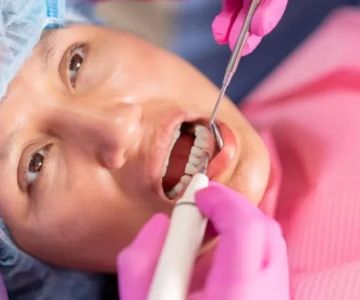 Long-Term Success for Adults: How Gum Disease Improves Your Overall Health
Learn how maintaining gum health can improve your overall health. Discover expert advice on preventing gum disease, treatment options, and real-life recovery stories for long-term success.
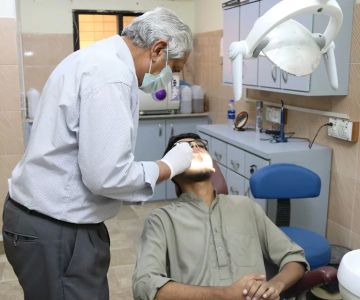 Best Practices for Managing Diabetes and Oral Health: Tips for Long-Term Success
Learn how to manage diabetes and maintain optimal oral health with our tips on brushing, flossing, and regular dental visits. Prevent gum disease and tooth decay with the right practices.
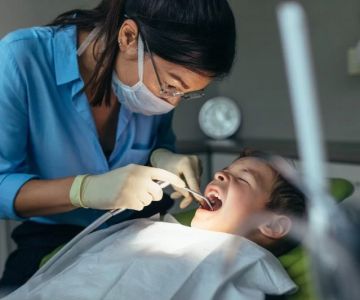 Dentistry for Families: Cost, Procedure, and Recovery Explained
Explore the world of family dentistry, including the costs, procedures, and recovery. Learn how to choose the right family dentist for your needs, and what to expect from family dental care.
Categories
Popular Dental Clinics
 Rollo Family Dentistry5.0 (6 review)
 Schulten Orthodontics5.0 (32 review)
 Towncare Dental of Fort Myers3.0 (417 review)
 Dental Faculty Practice3.0 (37 review)
 Virginia Family Dentistry Brandermill - Woodlake4.0 (724 review)
 Pacific Oral & Maxillofacial Surgery and Dental Implant Center4.0 (66 review)
 Top Dental Blog Posts
San Dimas, CA Emergency Dentist - familydentistryonline.netCan Dry Mouth Lead to a Sore Throat or Hoarseness? | Dentistry ToothtruthDelaware OH Emergency Dentist - 24/7 Urgent Dental Care in Delaware, OHEmergency Dentistry Denver COEmergency Dental Forest Hills NY - familydentistryonline.netDenture Repair and Implants in Grand Prairie, TX - Quality Care and Solutions for Your Dental Needs
Most Searched Dental Clinics
madison pediatric dental and orthodonticscomfort dental in securityzak dental whittiermclemore dentistburg orthodonticslombard dentistpersonal dental los angeleseike marten unccedar grove dental somerset njgentle dental gresham oregonleapkids dentalpromenade family dentistrychildren's dental health of plymouth meetingsmile today nutleyblack hills pediatric dentistry280 n central ave hartsdale nydr samanidr robert lipsondentistry at greenwayarcadia modern dentistry
Hot Blog Topics
 The Importance of Oral Health Education During Pregnancy for a Healthy Pregnancy
 Best Tips for Brushing Your Teeth Properly for Healthy Gums: Essential Techniques for Oral Health
 Why Skipping Dental Checkups Can Lead to Bigger Oral Health Problems
 Advantages of Porcelain Dental Restorations
 How Can Diabetes Cause Tooth and Gum Problems? Preventing and Managing Oral Health Issues
 Healthy Habits for Promoting Good Oral Health and Hygiene: Tips for a Healthy Smile