
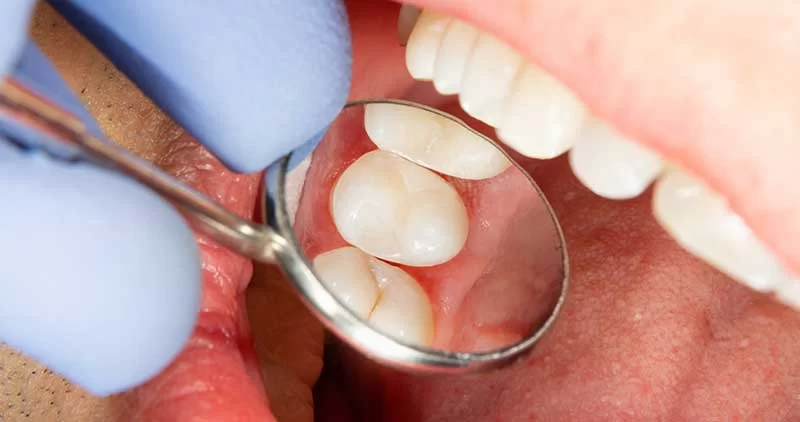
How to Protect Teeth from Decay: Essential Tips for a Healthier Smile
- 1. Understanding Tooth Decay
- 2. Effective Dental Hygiene Practices
- 3. The Role of Diet in Tooth Health
- 4. The Importance of Regular Dentist Visits
1. Understanding Tooth Decay
Tooth decay is a common oral health problem that affects individuals of all ages. It happens when harmful bacteria in the mouth produce acids that attack the enamel of your teeth, leading to cavities. Factors like poor oral hygiene, sugary diets, and lack of regular dental care contribute to tooth decay. In this section, we’ll explain how tooth decay develops and why it’s important to protect your teeth.
When left untreated, tooth decay can cause pain, infections, and even tooth loss. Understanding how it occurs is crucial in preventing its effects. By maintaining good oral hygiene, you can greatly reduce your risk of developing cavities and maintain a healthy smile for years to come.
2. Effective Dental Hygiene Practices
One of the most effective ways to protect your teeth from decay is by adopting a good dental hygiene routine. Here are key practices that can help you maintain healthy teeth:
- Brushing Twice a Day: Brush your teeth at least twice a day using fluoride toothpaste. Proper brushing removes plaque and food particles, preventing bacteria from attacking the enamel.
- Flossing Daily: Flossing helps remove food and plaque from areas your toothbrush can’t reach, particularly between your teeth where decay often begins.
- Using Mouthwash: A fluoride mouthwash can help kill bacteria and strengthen tooth enamel, providing an extra layer of protection against decay.
3. The Role of Diet in Tooth Health
Your diet plays a significant role in maintaining good oral health and protecting your teeth from decay. The foods and drinks you consume can either strengthen your teeth or contribute to enamel erosion. Here’s how you can make better choices:
- Limit Sugary Foods: Sugar is a major culprit in tooth decay. When you eat sugary foods, bacteria in your mouth feed on the sugar and produce acids that attack the enamel. Try to limit sugary snacks and beverages, especially between meals.
- Eat Calcium-Rich Foods: Foods like milk, cheese, and leafy greens are rich in calcium, which helps strengthen tooth enamel and prevent decay.
- Drink Water: Water helps rinse away food particles and bacteria. Drinking water throughout the day keeps your mouth hydrated and minimizes the risk of decay.
4. The Importance of Regular Dentist Visits
Even with excellent home care, it’s essential to visit your dentist regularly. Regular dental check-ups allow your dentist to spot early signs of decay, gum disease, and other oral health issues that may not be immediately visible. Professional cleanings also remove plaque buildup, reducing the risk of cavities.
During your visit, your dentist will also provide personalized advice on maintaining good oral health and may recommend treatments like fluoride treatments or sealants to further protect your teeth.






 Twin Oaks Dental4.0 (176 review)
 Floral Vale Periodontics and Implants, P.C.5.0 (180 review)
 Lake Lanier Smiles4.0 (684 review)
 Dental Associates of Delaware-Brandywine4.0 (611 review)
 Dentist of Bixby Knolls4.0 (354 review)
 Lafayette Family Dental care,LLC3.0 (55 review)
 The Importance of Oral Health Education During Pregnancy for a Healthy Pregnancy
 Best Tips for Brushing Your Teeth Properly for Healthy Gums: Essential Techniques for Oral Health
 Why Skipping Dental Checkups Can Lead to Bigger Oral Health Problems
 Advantages of Porcelain Dental Restorations
 How Can Diabetes Cause Tooth and Gum Problems? Preventing and Managing Oral Health Issues
 Healthy Habits for Promoting Good Oral Health and Hygiene: Tips for a Healthy Smile