
Understanding the Risks of Oral Diseases
Oral diseases, such as cavities, gum disease, and oral infections, are more common than many people realize. In the United States, millions of adults experience some form of gum inflammation or tooth decay every year. These conditions can start small but often progress into painful or costly problems if left untreated. Preventing oral diseases requires a clear understanding of what causes them: plaque buildup, poor hygiene habits, smoking, sugary diets, and even genetic factors. By identifying these risks early, you can take practical steps to safeguard your smile and overall health.
The Foundation of Daily Oral Care
Effective prevention begins at home with consistent oral hygiene practices. Brushing twice a day with fluoride toothpaste is essential, but brushing alone isn’t enough. Flossing removes debris and plaque from between the teeth where brushes cannot reach. Mouthwash adds another layer of protection by reducing bacteria and freshening breath. One young man from Chicago shared how switching from irregular brushing to a disciplined routine eliminated his recurring gum bleeding within a few months. These daily habits may seem simple, but they are powerful shields against oral disease when practiced consistently.
The Critical Role of Diet in Oral Health
Nutrition plays an often overlooked but significant role in oral health. Foods high in sugar and acid can wear down enamel, making teeth more vulnerable to cavities. Instead, choosing crunchy vegetables, whole grains, lean proteins, and dairy products provides the essential vitamins and minerals for strong teeth and gums. Drinking water throughout the day not only hydrates the body but also helps wash away harmful food particles. A case study from a dental clinic in California revealed that patients who reduced soda consumption saw fewer cavities over the course of a year. This illustrates how mindful dietary choices can dramatically reduce oral disease risks.
Recognizing Early Signs Before They Escalate
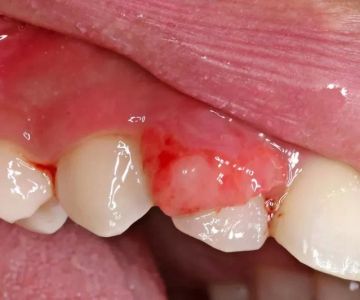
Prevention is not only about habits but also about awareness. Early signs of oral disease include persistent bad breath, red or swollen gums, tooth sensitivity, and frequent cavities. Ignoring these symptoms often leads to serious complications like gum infections or tooth loss. Regular self-checks combined with professional evaluations make it easier to catch issues before they become severe. A mother from Texas recalled how noticing her daughter’s gum swelling early allowed them to get timely treatment, preventing a painful infection. Being proactive makes prevention much more effective than cure.
The Importance of Professional Dental Visits
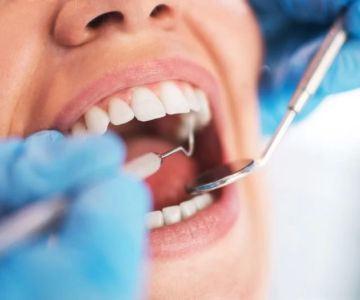
Even with the best home routine, professional dental care is irreplaceable. Dentists provide cleanings that remove tartar and plaque that cannot be eliminated at home. They also offer fluoride treatments and screenings for potential issues like oral cancer or advanced gum disease. The American Dental Association recommends visiting a dentist at least twice a year for preventive care. These visits are not just checkups—they are essential steps in maintaining long-term oral health. For those seeking trusted recommendations, Family Dentistry Online connects patients with the right professionals to keep their smiles protected.
Lifestyle Choices That Influence Oral Health
Beyond brushing and diet, lifestyle choices significantly affect oral disease prevention. Smoking and excessive alcohol use are strongly linked to gum disease and oral cancers. On the other hand, adopting healthier habits, such as exercising regularly and managing stress, indirectly benefit oral health by strengthening the immune system. People who make conscious choices to quit smoking often notice not only fresher breath but also reduced gum irritation. By addressing lifestyle factors, you build a more holistic approach to preventing oral disease that goes far beyond the bathroom mirror.
Small Changes for Long-Term Protection
Preventing oral diseases does not require drastic changes overnight. Simple steps such as switching to a soft-bristled toothbrush, carrying floss picks on the go, or using antimicrobial mouthwash after meals can make a big difference. Parents can encourage children to see brushing as fun rather than a chore, ensuring better oral habits for life. Over time, these small adjustments build into a lifestyle that naturally prevents oral health problems. The goal is progress, not perfection—because consistent effort always outweighs occasional bursts of effort when it comes to protecting your smile.

 Emerson Family Dental5.0 (273 review)
 Scott Silverman, MD3.0 (6 review)
 Bensalem Dental Specialties Center3.0 (162 review)
 Pediatric Dental Specialists4.0 (302 review)
 Periodontology Inc.4.0 (168 review)
 TMJ & Facial Pain Treatment Center4.0 (131 review)
 The Importance of Oral Health Education During Pregnancy for a Healthy Pregnancy
 Best Tips for Brushing Your Teeth Properly for Healthy Gums: Essential Techniques for Oral Health
 Why Skipping Dental Checkups Can Lead to Bigger Oral Health Problems
 Advantages of Porcelain Dental Restorations
 How Can Diabetes Cause Tooth and Gum Problems? Preventing and Managing Oral Health Issues
 Healthy Habits for Promoting Good Oral Health and Hygiene: Tips for a Healthy Smile