
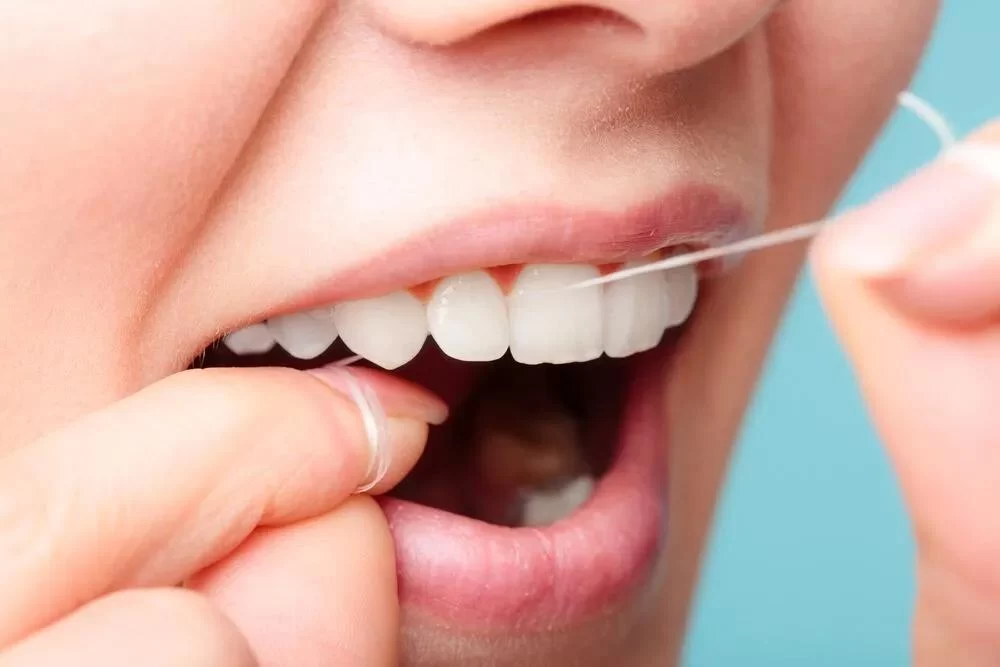
How to Prevent Gum Recession with Flossing: Essential Tips for Healthy Gums
- Why Does Gum Recession Happen?
- The Role of Flossing in Gum Health
- Flossing Techniques to Prevent Gum Recession
- Other Tips for Preventing Gum Recession
- The Benefits of Flossing for Gum Health
Why Does Gum Recession Happen?
Gum recession is a common dental issue that occurs when the gum tissue around the teeth pulls back, exposing the roots. This condition can lead to tooth sensitivity, increased risk of cavities, and even tooth loss if left untreated. There are several factors that can cause gum recession:
- Poor Oral Hygiene: Failure to brush and floss properly can lead to plaque buildup, which can irritate the gums and cause them to recede.
- Genetics: Some people are more prone to gum recession due to their genetic makeup.
- Aging: As we age, gum tissue naturally wears down, leading to possible recession.
- Hormonal Changes: For women, hormonal changes during pregnancy, menopause, or menstruation can affect gum health.
- Brushing Too Hard: Vigorous brushing with a hard-bristled toothbrush can cause the gums to wear away over time.
- Teeth Grinding: Bruxism, or grinding of the teeth, can put pressure on the gums and cause them to recede.
The Role of Flossing in Gum Health
Flossing plays a crucial role in preventing gum recession by helping to remove plaque and food particles that brushing alone cannot reach. Plaque buildup along the gum line can irritate the gums, leading to inflammation and, over time, gum recession. By flossing regularly, you can significantly reduce the risk of gum disease, one of the main causes of gum recession.
Flossing helps to clean between the teeth and along the gum line, areas where bacteria can accumulate and cause damage. When done correctly, flossing not only helps prevent gum recession but also keeps your teeth and gums healthy overall.
Flossing Techniques to Prevent Gum Recession
To effectively prevent gum recession, it’s important to use the right flossing techniques. Here are some tips for flossing your way to healthier gums:
- Use the Right Floss: Choose a dental floss that suits your needs. Waxed floss may be easier to use for those with tight spaces between teeth, while unwaxed floss is often preferred for a more thorough clean.
- Be Gentle: Flossing should be done gently to avoid damaging the gums. Use a sawing motion to insert the floss between your teeth and curve it around each tooth in a C-shape to gently clean the area.
- Floss Regularly: Aim to floss at least once a day, ideally before brushing. Consistency is key to preventing plaque buildup and gum issues.
- Avoid Forcing the Floss: If you encounter resistance, don’t force the floss between your teeth. Instead, gently work the floss back and forth or try a different technique, such as using a floss pick or interdental brush.
- Focus on the Gum Line: Be sure to floss all the way down to the gum line to remove plaque and prevent irritation.
Other Tips for Preventing Gum Recession
In addition to flossing, there are other strategies you can incorporate into your oral care routine to help prevent gum recession:
- Brush with a Soft-Bristled Toothbrush: Brushing with a hard-bristled toothbrush can damage the gums. Choose a soft-bristled brush and use gentle circular motions to clean your teeth.
- Manage Teeth Grinding: If you grind your teeth, consider wearing a mouthguard at night to protect your gums and teeth from the pressure.
- Regular Dental Checkups: Regular visits to the dentist can help identify any early signs of gum recession or gum disease, allowing for prompt treatment.
- Avoid Smoking: Smoking can reduce blood flow to the gums, which makes it harder for them to heal and can contribute to gum recession.
The Benefits of Flossing for Gum Health
Flossing is not just about preventing gum recession. It offers several other benefits for your oral health, including:
- Reduces Plaque Build-up: Flossing removes food particles and plaque from between the teeth and along the gum line, preventing cavities and gum disease.
- Fights Gum Disease: Regular flossing helps prevent gingivitis, the early stage of gum disease, which can lead to gum recession if not treated.
- Improves Overall Oral Health: Flossing contributes to fresh breath and healthier teeth, making it an essential part of a complete oral hygiene routine.
By incorporating regular flossing into your daily routine, you can ensure your gums stay healthy, strong, and recession-free for years to come.
For more information on preventing gum recession and maintaining optimal oral health, visit Dentistry Toothtruth.





 Bismarck Dentistry4.0 (44 review)
 Highland Dental Clinic: Dr. Robert Klein5.0 (7 review)
 Baystate Family Dental4.0 (27 review)
 Bright Now! Dental & Orthodontics4.0 (221 review)
 Georgetown Family Dentistry4.0 (359 review)
 Westlake Family Dentistry4.0 (155 review)
 The Importance of Oral Health Education During Pregnancy for a Healthy Pregnancy
 Best Tips for Brushing Your Teeth Properly for Healthy Gums: Essential Techniques for Oral Health
 Why Skipping Dental Checkups Can Lead to Bigger Oral Health Problems
 Advantages of Porcelain Dental Restorations
 How Can Diabetes Cause Tooth and Gum Problems? Preventing and Managing Oral Health Issues
 Healthy Habits for Promoting Good Oral Health and Hygiene: Tips for a Healthy Smile