
How to Maintain Healthy Gums and Teeth: Essential Tips for Optimal Oral Health
- 1. The Importance of Oral Health
- 2. Daily Care for Healthy Gums and Teeth
- 3. Diet and Nutrition for Healthy Gums
- 4. Preventing Gum Disease and Tooth Decay
- 5. Common Mistakes to Avoid in Oral Care
- 6. Real-Life Experiences with Gum and Tooth Health
1. The Importance of Oral Health
Maintaining healthy gums and teeth is crucial not only for a confident smile but also for overall health. Poor oral hygiene can lead to gum disease, cavities, and other dental issues, which may extend beyond your mouth to affect your heart, diabetes, and overall well-being. Your mouth is the gateway to the rest of your body, so taking care of your gums and teeth can significantly impact your general health.
When you prioritize your oral health, you're not just protecting your teeth—you're preventing systemic conditions like heart disease, stroke, and even diabetes. Healthy gums are vital for keeping your teeth anchored and preventing tooth loss.
2. Daily Care for Healthy Gums and Teeth
Good oral hygiene starts with consistent and effective daily care. Here are some of the best practices for maintaining healthy gums and teeth:
- Brushing: Brush your teeth at least twice a day with fluoride toothpaste. Brushing helps remove plaque, a sticky film of bacteria that can lead to gum disease and tooth decay.
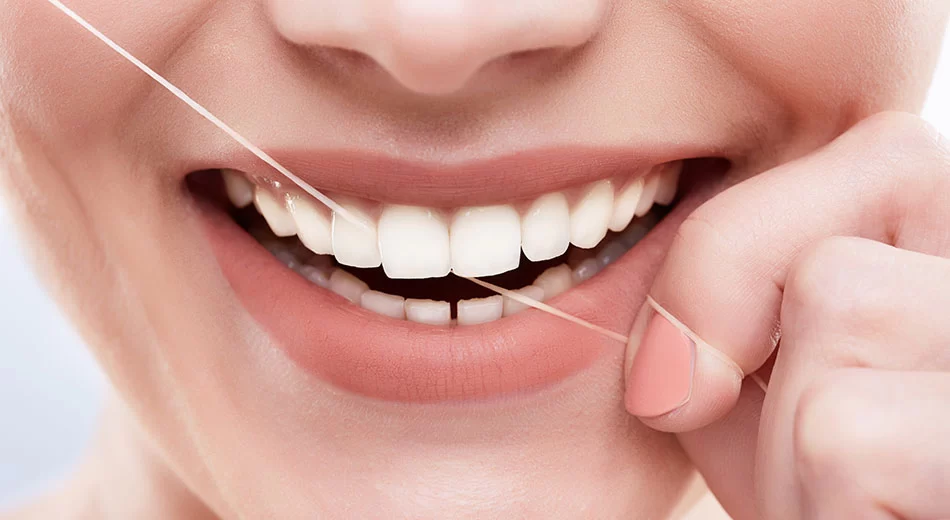
- Flossing: Floss daily to remove food particles and plaque buildup between your teeth and along the gum line, areas where your toothbrush may not reach.
- Mouthwash: Use an antimicrobial mouthwash to help reduce plaque and fight gingivitis, the early stage of gum disease.
By sticking to these basic routines, you significantly reduce the risk of gum disease and keep your teeth healthy. Consistency is key, as skipping these steps even once in a while can lead to plaque buildup and potential dental issues.
3. Diet and Nutrition for Healthy Gums
What you eat plays a huge role in the health of your gums and teeth. A diet rich in vitamins, minerals, and nutrients can help strengthen teeth and prevent gum disease. Here are some dietary tips for promoting healthy gums:
- Calcium: Foods rich in calcium, like dairy products, leafy greens, and almonds, help strengthen tooth enamel and support overall tooth health.
- Vitamin C: Vitamin C is essential for gum health as it helps prevent gum inflammation and bleeding. Include citrus fruits, strawberries, and bell peppers in your diet.
- Phosphorus: Foods like fish, meat, and eggs provide phosphorus, which works with calcium to strengthen teeth.
- Limit Sugary Foods: Excessive sugar consumption can lead to tooth decay and gum problems. Reducing sugary snacks and drinks helps prevent plaque buildup and cavities.
A balanced diet not only nourishes your body but also supports the long-term health of your gums and teeth. Choosing nutrient-rich foods can be a simple but effective way to maintain oral health.
4. Preventing Gum Disease and Tooth Decay
Gum disease and tooth decay are two of the most common dental problems people face. However, they are largely preventable with proper care. Here’s how:
- Regular Dental Checkups: Visit your dentist at least twice a year for professional cleanings and checkups. Early detection of cavities, gum disease, and other oral health issues is essential for effective treatment.
- Good Brushing Technique: Brush your teeth gently but thoroughly, making sure to reach every surface of your teeth. Don’t forget to brush your tongue, which can harbor bacteria.
- Fluoride Treatments: Fluoride helps protect tooth enamel and prevent decay. Consider using fluoride toothpaste and ask your dentist about fluoride treatments during checkups.
- Stop Smoking: Smoking is a major risk factor for gum disease and tooth loss. If you smoke, consider quitting for the sake of your oral health.
By following these prevention tips, you can significantly reduce your risk of gum disease and tooth decay, helping you maintain a healthy smile for years to come.
5. Common Mistakes to Avoid in Oral Care
While most people follow basic dental care routines, some common mistakes can hinder the health of your gums and teeth. Avoid these pitfalls:
- Brushing Too Hard: Using a hard-bristled toothbrush or brushing with excessive force can wear down your enamel and damage your gums. Opt for a soft-bristled brush and gentle strokes.
- Neglecting Your Gums: Focusing only on your teeth and neglecting your gums can lead to gum disease. Make sure to care for your gums by brushing gently along the gum line and flossing regularly.
- Skipping Dental Visits: Even if your teeth feel fine, skipping regular dentist appointments can lead to unnoticed problems. Regular checkups are vital for maintaining good oral health.
Being mindful of these mistakes will ensure your efforts at maintaining healthy gums and teeth are truly effective in the long run.
6. Real-Life Experiences with Gum and Tooth Health
Sometimes, it’s the real-life stories that can inspire us to take better care of our oral health. Consider these personal experiences:
- Case 1: Sarah, a 32-year-old office worker, struggled with gum sensitivity and bleeding. After a few visits to the dentist, she changed her diet, improved her oral hygiene routine, and began using a fluoride mouthwash. Within a few months, her gum health improved, and she no longer experienced bleeding.
- Case 2: Tom, a 45-year-old smoker, noticed his gums were receding and his teeth were becoming loose. He switched to a better oral care routine, quit smoking, and started using toothpaste designed for gum health. Over time, his gum health stabilized, and he was able to avoid more severe treatments.
These stories demonstrate that small changes in habits, diet, and care routines can lead to significant improvements in your oral health. With consistency and the right approach, you too can enjoy healthier gums and teeth.






 South Oral & Maxillofacial Surgery4.0 (157 review)
 Advantage Dental+3.0 (143 review)
 First Choice Dental- Madison East4.0 (289 review)
 Integrated Dental4.0 (189 review)
 Fields Family Dentistry5.0 (394 review)
 Jensen Orthodontics4.0 (642 review)
 The Importance of Oral Health Education During Pregnancy for a Healthy Pregnancy
 Best Tips for Brushing Your Teeth Properly for Healthy Gums: Essential Techniques for Oral Health
 Why Skipping Dental Checkups Can Lead to Bigger Oral Health Problems
 Advantages of Porcelain Dental Restorations
 How Can Diabetes Cause Tooth and Gum Problems? Preventing and Managing Oral Health Issues
 Healthy Habits for Promoting Good Oral Health and Hygiene: Tips for a Healthy Smile