
1. Why Oral Hygiene Matters for Your Overall Health
Maintaining the best oral hygiene is not just about a bright smile—it is directly connected to your overall health. Poor oral care can lead to cavities, gum disease, and even systemic problems such as heart disease and diabetes. In the United States, studies have shown that people who neglect oral hygiene often face higher medical costs later in life due to preventable dental and health issues.
A healthy mouth reduces bacteria buildup and inflammation, allowing your body to function more effectively. When oral hygiene is prioritized, individuals also experience improved confidence, fresher breath, and fewer dental emergencies. Proper care is not simply cosmetic; it is a lifelong investment in health.
2. Building a Daily Dental Care Routine
Brushing Techniques and Frequency
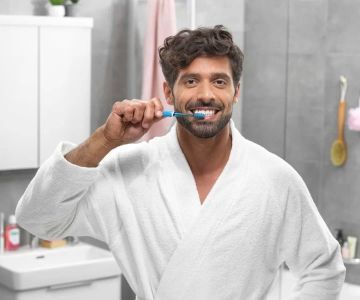
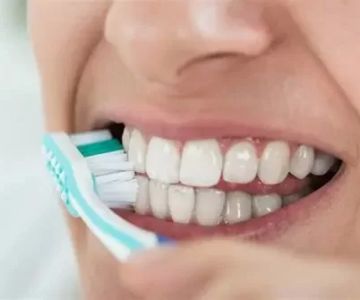
Dentists recommend brushing at least twice daily with a fluoride toothpaste. The brushing process should last at least two minutes, covering all tooth surfaces, gums, and the tongue. Using a soft-bristled brush helps prevent enamel erosion and gum recession. Replacing your toothbrush every three to four months ensures maximum effectiveness.
The Role of Flossing and Mouthwash
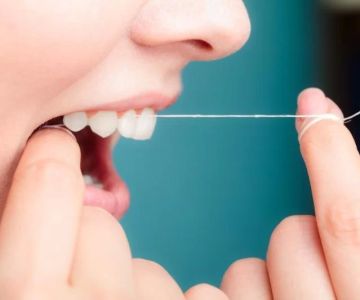
Flossing once a day is essential for removing plaque and food particles that brushing cannot reach. Adding an alcohol-free, antibacterial mouthwash enhances protection by reducing bacteria that cause bad breath and gum disease. This combination of brushing, flossing, and rinsing creates a strong foundation for oral health.
3. Nutrition and Lifestyle Choices for Oral Hygiene
Diet plays a major role in maintaining the best oral hygiene. Sugary foods and acidic beverages erode enamel and encourage bacterial growth. Choosing whole foods rich in calcium, vitamin D, and phosphorus strengthens teeth and bones. Drinking water throughout the day also washes away food particles and neutralizes acids.
Lifestyle choices matter as well. Smoking and excessive alcohol consumption significantly increase the risk of gum disease and oral cancer. By reducing or eliminating these habits, individuals not only improve oral hygiene but also safeguard their overall health. Many Americans who have quit smoking report noticeable improvements in gum color, breath, and reduced dental complications within months.
4. Professional Dental Care and Preventive Check-Ups
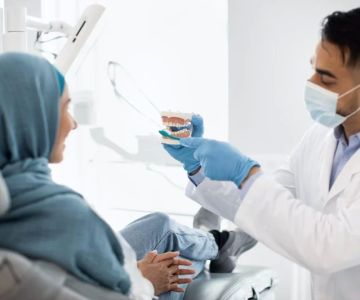
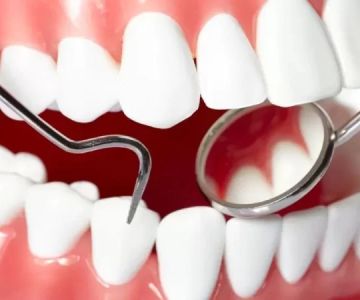
Even the best home care routine cannot replace professional dental visits. Regular check-ups every six months allow dentists to detect early signs of cavities, gum disease, or oral cancer. Professional cleanings remove hardened tartar that daily brushing cannot eliminate.
One inspiring story involves a patient who avoided the dentist for years due to fear. When he finally visited a dental clinic, his dentist discovered early-stage gum disease. With consistent check-ups and treatment, his condition reversed, and his oral health improved significantly. This shows how timely professional care can save both money and teeth.
For reliable and trusted dental services tailored to individual needs, Family Dentistry Online offers resources to guide you toward the right professional support.
5. Special Considerations for Different Age Groups
Children and Teens
Instilling strong oral hygiene habits early in life sets the foundation for lifelong health. Parents should supervise brushing until children can do it effectively on their own. Teens benefit from orthodontic care and regular check-ups to ensure proper alignment and healthy gums.
Adults and Seniors
Adults must remain vigilant about gum health, as periodontitis becomes more common with age. Seniors often face additional challenges such as dry mouth caused by medications. Specialized care like fluoride rinses and moisture-enhancing products can greatly improve comfort and oral health for older adults.
6. Real-Life Experiences That Highlight the Importance of Oral Hygiene
One widely shared online story involved a young professional who neglected flossing for years. When he finally sought dental care after experiencing bleeding gums, his dentist explained he was in the early stages of periodontal disease. With consistent flossing, cleanings, and follow-up visits, he avoided tooth loss and restored his gum health.
Another example comes from a senior woman who diligently maintained her oral hygiene into her eighties. Her dentist reported she had stronger teeth than many patients decades younger, proving that consistent daily care makes a difference at every age.

 Miracle Mile Comprehensive Dental Center4.0 (82 review)
 Midland Park Family Dentistry5.0 (447 review)
 Absolute Dental - Lake Mead4.0 (332 review)
 Brandon L. Cairo, DMD, PC5.0 (103 review)
 Desire Dental Care4.0 (257 review)
 Metro Smiles Gage Park2.0 (36 review)
 The Importance of Oral Health Education During Pregnancy for a Healthy Pregnancy
 Best Tips for Brushing Your Teeth Properly for Healthy Gums: Essential Techniques for Oral Health
 Why Skipping Dental Checkups Can Lead to Bigger Oral Health Problems
 Advantages of Porcelain Dental Restorations
 How Can Diabetes Cause Tooth and Gum Problems? Preventing and Managing Oral Health Issues
 Healthy Habits for Promoting Good Oral Health and Hygiene: Tips for a Healthy Smile