
Wisdom teeth, also known as third molars, are often the source of significant discomfort and oral health issues. One of the common problems they cause is bite misalignment, which can affect both your daily function and overall oral health. In this article, we’ll explore how wisdom teeth contribute to bite problems and provide practical advice on how to handle these issues effectively. Whether you’re dealing with pain, misalignment, or other complications, understanding the role of wisdom teeth is crucial in finding the right solution.
- How Wisdom Teeth Affect Bite Alignment
- Symptoms of Bite Problems from Wisdom Teeth
- Treatment Options for Bite Issues
- Preventing Bite Problems in the Future
How Wisdom Teeth Affect Bite Alignment
Wisdom teeth are the last set of molars that typically emerge in late adolescence or early adulthood. As they push through the gums, they can exert pressure on surrounding teeth, which may cause misalignment in the bite. This misalignment can manifest as discomfort when chewing or even lead to more serious dental problems if not addressed.
The position of wisdom teeth is not always ideal, and in some cases, they may not fully emerge, leading to impaction. Impacted wisdom teeth can further disturb the alignment of adjacent teeth, leading to shifts in the bite. When this occurs, the upper and lower teeth may not align properly, which can lead to difficulties in biting and chewing food, as well as jaw pain.
Symptoms of Bite Problems from Wisdom Teeth
If your wisdom teeth are causing bite problems, you may experience a variety of symptoms. These include:
- Pain in the back of the mouth or jaw area
- Difficulties in chewing or biting properly
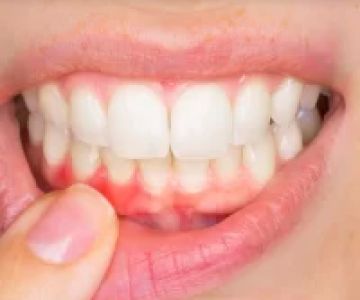
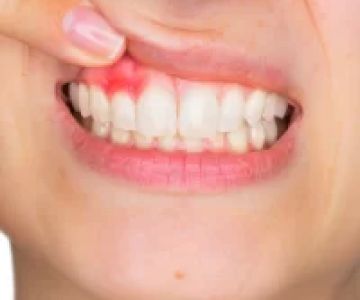
- Swelling or tenderness in the gums around the wisdom teeth
- Headaches or jaw discomfort
- Noticeable changes in the alignment of your teeth
It’s important to pay attention to these symptoms and consult with a dental professional if they persist. Left untreated, bite issues caused by wisdom teeth can worsen over time, leading to more severe dental problems.
Treatment Options for Bite Issues
There are several options for treating bite problems caused by wisdom teeth, depending on the severity of the issue:
- Wisdom Teeth Removal: One of the most common and effective solutions is removing the wisdom teeth altogether. This can help relieve the pressure on surrounding teeth and restore proper bite alignment.
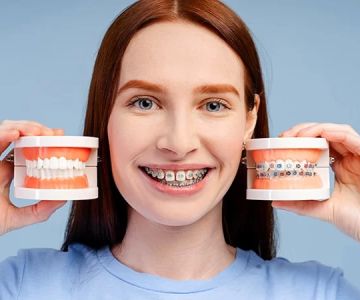
- Braces or Orthodontic Treatment: If the misalignment is more severe, braces or other orthodontic treatments may be recommended to reposition the teeth and improve bite function.
- Dental Splints: In some cases, dental splints may be used to help realign the teeth and alleviate discomfort caused by bite misalignment.
Consulting with a dentist or oral surgeon will help determine the best course of action for your situation. They will take into account the severity of the bite problem, the condition of your wisdom teeth, and other factors to suggest an appropriate treatment plan.
Preventing Bite Problems in the Future
While not all bite problems caused by wisdom teeth can be prevented, there are steps you can take to reduce the likelihood of experiencing misalignment:
- Regular Dental Checkups: Regular visits to your dentist can help monitor the development of your wisdom teeth and identify any potential problems early on.
- Early Removal of Problematic Wisdom Teeth: If your wisdom teeth are at risk of causing bite issues, your dentist may recommend removal before they fully emerge.
- Maintain Proper Oral Hygiene: Keeping your teeth and gums healthy can help reduce the risk of complications arising from wisdom teeth, including infections or impaction.
By staying proactive with your dental care, you can minimize the impact that wisdom teeth have on your bite and overall oral health.
If you're currently dealing with bite issues due to wisdom teeth or suspect that you might have a problem, it's important to seek professional advice. For more information on how to manage wisdom teeth and bite problems, or to schedule a consultation with a dental expert, visit Dentistry Toothtruth.

 Peter E. Ciampi, DDS5.0 (168 review)
 Perfect Teeth Dental & Orthodontics - Olive4.0 (384 review)
 MADE Dental Implant Center5.0 (29 review)
 DeTolla Dental5.0 (4 review)
 Uchida Clyde Y DDS3.0 (9 review)
 Ahoyt Family Dental4.0 (619 review)
 The Importance of Oral Health Education During Pregnancy for a Healthy Pregnancy
 Best Tips for Brushing Your Teeth Properly for Healthy Gums: Essential Techniques for Oral Health
 Why Skipping Dental Checkups Can Lead to Bigger Oral Health Problems
 Advantages of Porcelain Dental Restorations
 How Can Diabetes Cause Tooth and Gum Problems? Preventing and Managing Oral Health Issues
 Healthy Habits for Promoting Good Oral Health and Hygiene: Tips for a Healthy Smile