
How to Fix Oral Hygiene: Effective Tips for Better Oral Health
1. Understanding the Importance of Oral Hygiene
Good oral hygiene is essential not only for a bright smile but for overall health. Neglecting oral care can lead to a variety of dental issues, such as cavities, gum disease, and bad breath. Proper oral hygiene reduces the risk of these problems and helps maintain a healthy mouth, teeth, and gums.
Many people struggle with maintaining their oral hygiene due to busy lifestyles, poor habits, or simply not knowing the right techniques. However, the good news is that improving your oral hygiene is within reach. With a few simple steps, you can enhance your routine and protect your teeth and gums for years to come.
2. The Basic Principles of Good Oral Hygiene
Oral hygiene isn't just about brushing your teeth—it’s about creating a complete routine that addresses all aspects of your mouth’s health. Let’s dive into the fundamentals of oral hygiene that can make a big difference.
2.1 Brushing Your Teeth the Right Way
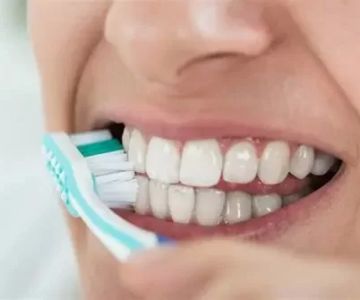
Brushing your teeth is the first and most important step in maintaining good oral hygiene. The American Dental Association (ADA) recommends brushing your teeth at least twice a day—once in the morning and once before bed. But it’s not just about how often you brush; it’s also about how you do it.
Use a soft-bristled toothbrush and fluoride toothpaste to brush for at least two minutes, covering all surfaces of your teeth, including the front, back, and chewing surfaces. Make gentle circular motions, not aggressive scrubbing, which can harm your gums. Don’t forget to brush your tongue, as it can harbor bacteria.
2.2 Flossing Is Key
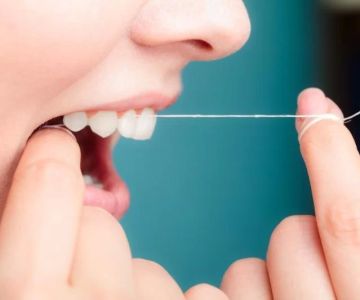
Flossing is just as important as brushing because it cleans the areas between your teeth where a toothbrush can’t reach. The ADA recommends flossing once a day to remove plaque and food particles. Flossing helps prevent gum disease and cavities between the teeth, which is often where problems arise.
To floss properly, break off a piece of floss about 18 inches long, wrap it around your fingers, and gently slide it between your teeth. Avoid snapping the floss, as this can cause injury to your gums. Instead, gently move the floss in a back-and-forth motion to remove debris.
2.3 Rinsing with Mouthwash
Mouthwash is a great addition to your daily routine, as it helps kill bacteria, freshens your breath, and provides an extra layer of protection for your teeth and gums. Use an alcohol-free mouthwash that contains fluoride to promote enamel health. Rinse for about 30 seconds after brushing and flossing for optimal results.
3. Preventing Common Oral Hygiene Problems
While a solid routine of brushing, flossing, and rinsing can prevent most oral health issues, there are some common problems that people face. Here are some tips to help prevent them:
3.1 Combatting Bad Breath
Bad breath, also known as halitosis, can be caused by a variety of factors, including poor oral hygiene, dry mouth, and underlying health conditions. To keep bad breath at bay, brush your teeth regularly, use mouthwash, and stay hydrated to avoid dry mouth. If bad breath persists, it might be time to visit a dentist to rule out other potential issues such as gum disease or tooth decay.
3.2 Preventing Tooth Decay
Tooth decay is one of the most common dental problems, but it’s also one of the easiest to prevent with good oral hygiene. Regular brushing with fluoride toothpaste, flossing, and reducing sugary snacks can significantly decrease the risk of cavities. If you have a tendency to snack throughout the day, try to stick to healthy options that don’t contribute to plaque buildup.
3.3 Dealing with Gum Disease
Gum disease, or gingivitis, occurs when plaque builds up along the gum line and causes inflammation. It can progress into more severe stages, leading to periodontitis, which can cause tooth loss. The key to preventing gum disease is regular brushing and flossing, along with professional cleanings at your dentist’s office. If you notice bleeding gums or persistent bad breath, it’s time to see a dentist.
4. Tips for Maintaining Long-Term Oral Hygiene
Oral hygiene is not just about quick fixes—it’s about maintaining a lifelong commitment to your dental health. Here are a few tips to help you stay on track:
4.1 Schedule Regular Dental Checkups
One of the best ways to maintain good oral health is by scheduling regular dental checkups. The American Dental Association recommends seeing your dentist at least once a year for a professional cleaning and exam. Regular checkups allow your dentist to spot problems early and prevent them from becoming serious issues.
4.2 Eat a Balanced Diet
What you eat plays a significant role in your oral health. A balanced diet rich in fruits, vegetables, and whole grains helps keep your teeth and gums healthy. Avoid sugary and acidic foods that can erode enamel and lead to cavities. Drinking plenty of water also helps rinse away food particles and keeps your mouth hydrated.
4.3 Don’t Forget to Replace Your Toothbrush
Even the best toothbrushes wear out over time. Replace your toothbrush or toothbrush head every three to four months, or sooner if the bristles are frayed. A worn-out toothbrush won’t clean your teeth as effectively, and using one with worn bristles can even cause gum irritation.
5. Real-Life Story: How Better Oral Hygiene Changed My Life
Meet Sarah, a woman who struggled with her oral hygiene for years. She would brush her teeth, but she didn’t floss regularly, and she often drank sugary drinks. Her dentist repeatedly warned her about the risk of gum disease and cavities. One day, after a routine dental checkup, she was told she had early-stage gum disease.
Sarah was determined to make a change. She started flossing every day, used mouthwash, and cut back on sugary snacks. After a few months, her next visit to the dentist was much more positive—her gums were healthy, and there were no signs of cavities. Sarah’s story shows the power of consistent oral hygiene in transforming your dental health.
6. Where to Get Expert Advice on Oral Hygiene
Maintaining good oral hygiene is essential, but it can be challenging without the right guidance. Family Dentistry Online provides expert advice, professional tips, and dental care products to help you take control of your oral health. Whether you need a new toothbrush, dental floss, or just some advice on proper brushing techniques, we’ve got you covered. Visit our website for more recommendations and to shop for the best products to maintain a healthy smile.



 Oakdale Family Dentistry4.0 (45 review)
 Triplett & Livingston Dental5.0 (964 review)
 Equitas Health Short North Medical Center3.0 (96 review)
 Dr. Edward Perdue Pediatric Dentistry4.0 (410 review)
 Pediatric Dental Associates of Randolph4.0 (1772 review)
 Fifth Avenue Dental4.0 (750 review)
 The Importance of Oral Health Education During Pregnancy for a Healthy Pregnancy
 Best Tips for Brushing Your Teeth Properly for Healthy Gums: Essential Techniques for Oral Health
 Why Skipping Dental Checkups Can Lead to Bigger Oral Health Problems
 Advantages of Porcelain Dental Restorations
 How Can Diabetes Cause Tooth and Gum Problems? Preventing and Managing Oral Health Issues
 Healthy Habits for Promoting Good Oral Health and Hygiene: Tips for a Healthy Smile