
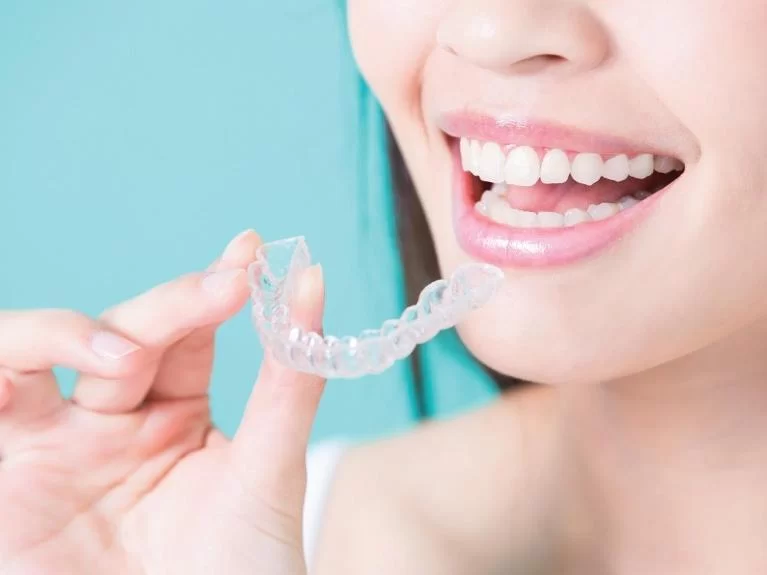
How to Fix Misaligned Teeth Without Surgery: Non-Surgical Solutions for a Perfect Smile
- Understanding Teeth Misalignment
- Why Choose Non-Surgical Solutions for Misalignment
- Top Non-Surgical Methods for Straightening Teeth
- Advantages of Non-Surgical Teeth Alignment
- Real-Life Examples of Non-Surgical Alignment
Understanding Teeth Misalignment
Teeth misalignment, also known as malocclusion, refers to any irregularity in the alignment of the teeth. It can result from various factors such as genetics, thumb sucking, or early loss of baby teeth. Misaligned teeth can lead to a variety of problems, including difficulty in chewing, speaking, and maintaining oral hygiene. Fortunately, there are effective non-surgical methods to correct misalignment and achieve a straighter smile.
Why Choose Non-Surgical Solutions for Misalignment
For many people, the thought of undergoing surgery or wearing traditional braces for years is daunting. Non-surgical methods for fixing misaligned teeth offer an attractive alternative. These solutions are less invasive, more comfortable, and typically require a shorter treatment time. Non-surgical options also tend to be more affordable and often do not require significant lifestyle changes. But how can you straighten your teeth without surgery? Let's explore some of the most popular non-surgical solutions.
Top Non-Surgical Methods for Straightening Teeth
There are several effective ways to straighten teeth without undergoing surgery. Here are the most popular non-invasive treatments available:
- Invisalign: Invisalign is a clear aligner system that gently shifts teeth into place over time. These aligners are custom-made to fit your teeth and are virtually invisible, making them a popular choice for adults who want to straighten their teeth discreetly. Invisalign aligners are comfortable, removable, and allow you to continue eating your favorite foods without restrictions.
- Clear Correct: Similar to Invisalign, Clear Correct is a clear aligner treatment that offers a non-surgical alternative to traditional braces. It uses clear plastic aligners to gradually move your teeth, offering a convenient and nearly invisible way to improve your smile.
- Dental Veneers: For those with minor misalignment, dental veneers can be an effective option. Veneers are thin, custom-made shells that cover the front surface of the teeth. While they don't actually move teeth, veneers can dramatically improve the appearance of misaligned teeth, creating a smooth, aligned look.
- SmileDirectClub: This is a direct-to-consumer clear aligner service. You can take an impression of your teeth at home or visit a SmileDirectClub office for a 3D scan. Their aligners are sent to you, and you can track your progress through regular check-ins with a licensed dentist, making it an affordable and convenient option for teeth straightening.
- Six Month Smiles: Six Month Smiles is a short-term orthodontic treatment that focuses on straightening the teeth that show when you smile. It uses clear brackets and wires, but treatment time is significantly shorter than traditional braces, typically around six months.
Advantages of Non-Surgical Teeth Alignment
Non-surgical teeth alignment offers several benefits that make it an attractive option for many individuals:
- Less Invasive: Non-surgical treatments like clear aligners or dental veneers are much less invasive than surgery. There are no incisions or complex procedures involved, making the recovery process quick and easy.
- Comfort and Convenience: Clear aligners are removable, so you can eat, drink, and brush your teeth without the restrictions that come with traditional braces. Additionally, clear aligners are made from smooth plastic, which is far more comfortable than metal brackets and wires.
- Faster Results: Treatments like Six Month Smiles and Invisalign can offer faster results compared to traditional braces. For example, Invisalign can straighten teeth in as little as six to eighteen months, while Six Month Smiles typically takes just six months.
- Aesthetic Appeal: Clear aligners are discreet and nearly invisible, making them an excellent choice for those who want to straighten their teeth without drawing attention to their treatment. Veneers, on the other hand, can create an instantly flawless appearance, even for teeth that are not significantly misaligned.
Real-Life Examples of Non-Surgical Alignment
To understand the effectiveness of non-surgical methods, let's take a look at some real-life examples:
Jessica, a 32-year-old professional, was self-conscious about her slightly crooked front teeth. After discussing her options with her dentist, she chose Invisalign. Within a year, her teeth were perfectly aligned, and she could smile with confidence without the need for traditional braces or surgery.
Similarly, Ryan, a 40-year-old father, had mild misalignment that affected his appearance but didn’t impact his oral health. He opted for dental veneers as a quick solution. Within just a few visits, his smile was transformed, and he didn’t need to endure lengthy orthodontic treatments.
These examples demonstrate how non-surgical methods can effectively address teeth misalignment, offering lasting results without the need for invasive procedures. If you're considering fixing your misaligned teeth without surgery, there are numerous options available to help you achieve a confident, beautiful smile.
For more information on how to fix misaligned teeth without surgery, visit Dentistry Toothtruth for expert guidance and personalized treatment options.






 Noll Family Dentistry4.0 (95 review)
 Periodontics Limited - Henderson5.0 (305 review)
 Nanuet Family Dentistry: Dr. Srinivasa5.0 (2 review)
 Perfect Dental – Taunton4.0 (782 review)
 Madison Oral Surgery & Dental Implants4.0 (661 review)
 David Yang A Professional Corporation4.0 (32 review)
 The Importance of Oral Health Education During Pregnancy for a Healthy Pregnancy
 Best Tips for Brushing Your Teeth Properly for Healthy Gums: Essential Techniques for Oral Health
 Why Skipping Dental Checkups Can Lead to Bigger Oral Health Problems
 Advantages of Porcelain Dental Restorations
 How Can Diabetes Cause Tooth and Gum Problems? Preventing and Managing Oral Health Issues
 Healthy Habits for Promoting Good Oral Health and Hygiene: Tips for a Healthy Smile