
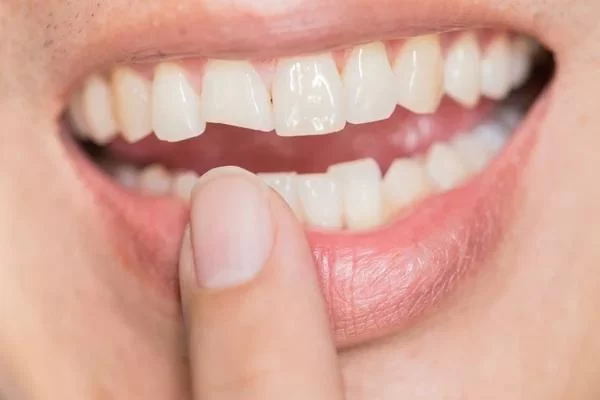
How to Fix a Chipped Tooth with Bonding: Effective Tooth Repair Options
- 1. What is Dental Bonding?
- 2. Why You Might Need to Fix a Chipped Tooth with Bonding
- 3. The Tooth Bonding Procedure Explained
- 4. Advantages of Fixing a Chipped Tooth with Bonding
- 5. How Long Does Dental Bonding Last?
- 6. Real-Life Example: Chipped Tooth Bonding Success
- 7. Learn More About Fixing Chipped Teeth with Professional Care
1. What is Dental Bonding?
Dental bonding is a popular cosmetic dental procedure used to repair chipped, cracked, or discolored teeth. The process involves applying a tooth-colored resin material to the affected area, which is then shaped and hardened to match the natural appearance of your tooth. This quick, non-invasive solution is often used for minor repairs and can dramatically improve the appearance of a chipped tooth.
2. Why You Might Need to Fix a Chipped Tooth with Bonding
Accidents happen, and a chipped tooth is a common issue that many people face. Whether caused by biting into something hard, an accident, or general wear and tear, a chipped tooth can affect both the appearance and function of your smile. Here's why dental bonding is often the best choice for repairing a chipped tooth:
- Aesthetic Concerns: A visible chip in your tooth can be embarrassing. Dental bonding restores the natural look of your tooth, making it virtually unnoticeable.
- Functionality: A chipped tooth can interfere with biting and chewing. Bonding restores the tooth's strength and function, preventing further damage.
- Affordable Solution: Compared to other cosmetic dental procedures like crowns or veneers, bonding is relatively inexpensive and offers an excellent solution for minor chips.
Whether you have a small chip or a more noticeable crack, dental bonding can help you restore both the appearance and functionality of your tooth.
3. The Tooth Bonding Procedure Explained
Dental bonding is a simple, fast procedure typically completed in a single visit. Here's a breakdown of the bonding process:
- Consultation: During your initial consultation, the dentist will assess the damage and determine whether bonding is the best solution for your chipped tooth.
- Preparation: The tooth is prepared by cleaning it and roughening the surface slightly, allowing the bonding material to adhere better.
- Application of Bonding Material: The dentist applies a tooth-colored resin to the chipped area, shaping it to match the natural contours of the tooth.
- Curing: A special light is used to harden the bonding material, setting it in place.
- Polishing: Once the bonding is hardened, the dentist will polish the area to ensure that it blends seamlessly with the rest of your tooth.
The entire procedure is usually completed in about 30 to 60 minutes, depending on the size of the chip and the number of teeth being treated. No anesthesia is typically required, making it a quick and comfortable option for tooth repair.
4. Advantages of Fixing a Chipped Tooth with Bonding
Choosing dental bonding to fix a chipped tooth offers numerous advantages:
- Quick and Convenient: The procedure is fast and can often be completed in a single visit, providing immediate results.
- Non-Invasive: Unlike crowns or veneers, bonding is a minimally invasive procedure that doesn’t require any removal of healthy tooth structure.
- Cost-Effective: Dental bonding is significantly more affordable than other cosmetic dental procedures like crowns or veneers, making it a great option for those on a budget.
- Durability: Bonding materials are strong and durable, providing long-lasting results with proper care.
- Natural Look: The resin used in bonding is color-matched to your natural teeth, ensuring a seamless, natural-looking repair.
With its combination of affordability, speed, and natural aesthetics, dental bonding remains one of the most popular choices for fixing chipped teeth.
5. How Long Does Dental Bonding Last?
The longevity of dental bonding depends on several factors, including the location of the bonding, your dental habits, and how well you maintain your oral hygiene. On average, dental bonding lasts between 3 to 10 years. However, with proper care—such as avoiding excessive pressure on the bonded tooth, not chewing on hard objects, and maintaining regular dental checkups—the results can last even longer.
While bonding is not as durable as crowns or veneers, it provides a cost-effective and reliable solution for minor tooth repairs.
6. Real-Life Example: Chipped Tooth Bonding Success
Meet Sarah, a 32-year-old woman who chipped her front tooth during a weekend soccer game. She was self-conscious about the chip and wanted a quick solution. After visiting her dentist, Sarah opted for dental bonding. The process was simple and painless, and within an hour, her chipped tooth looked good as new. Not only did the bonding restore the appearance of her smile, but it also allowed her to feel more confident in social and professional situations. Sarah is now careful to avoid activities that could cause damage to her teeth but is thrilled with the long-lasting results of her bonding procedure.
Sarah’s success story is just one of many where dental bonding has helped patients restore their teeth and smiles in a cost-effective and efficient way.
7. Learn More About Fixing Chipped Teeth with Professional Care
If you're dealing with a chipped tooth and want to explore the best options for repair, Dentistry Toothtruth can help. We offer professional advice and services to help you restore your smile with dental bonding and other cosmetic dental treatments. Don’t let a chipped tooth affect your confidence—take action today and discover how dental bonding can work for you.






 Dr. Dental: Dentistry & Braces4.0 (711 review)
 King of Prussia Dental Associates4.0 (113 review)
 Cosmos Family Dental, PC4.0 (28 review)
 Streamline Pecos Office5.0 (1 review)
 Dr. Nirvana Anoosheh, DDS5.0 (8 review)
 Allied Orthodontics- Academy Road- Dentistry in Philadelphia- Dentist 191540.0 (0 review)
 The Importance of Oral Health Education During Pregnancy for a Healthy Pregnancy
 Best Tips for Brushing Your Teeth Properly for Healthy Gums: Essential Techniques for Oral Health
 Why Skipping Dental Checkups Can Lead to Bigger Oral Health Problems
 Advantages of Porcelain Dental Restorations
 How Can Diabetes Cause Tooth and Gum Problems? Preventing and Managing Oral Health Issues
 Healthy Habits for Promoting Good Oral Health and Hygiene: Tips for a Healthy Smile