
How to Fix a Chipped Tooth: A Complete Guide to Repair Options
- 1. Introduction: Understanding a Chipped Tooth
- 2. Common Causes of a Chipped Tooth
- 3. Repair Options for a Chipped Tooth
- 4. Aftercare for a Chipped Tooth Repair
- 5. How to Prevent Future Tooth Damage
- 6. Recommended Products for Tooth Care
A chipped tooth can be both a cosmetic and functional concern. Whether it’s from a fall, biting something hard, or even just an accident, a chipped tooth doesn’t always require an emergency visit to the dentist, but it should be addressed promptly. Understanding the different ways to fix a chipped tooth can help you make an informed decision and restore your smile quickly.
There are several reasons why a tooth may become chipped. Knowing the cause can help determine the best course of action for repairing it:
1. Accidental Impact
One of the most common causes of a chipped tooth is an accidental blow or impact, like a sports injury or a car accident.
2. Biting Hard Objects
Biting down on something too hard—like ice, hard candy, or even a popcorn kernel—can easily result in a chip, especially if your tooth is already weakened by decay.
3. Tooth Decay
Weakened teeth from untreated cavities are more susceptible to breaking, especially if you put pressure on them.
Once you have a chipped tooth, it’s important to seek a dental solution quickly. The severity of the chip will determine the best method of repair:
1. Dental Bonding
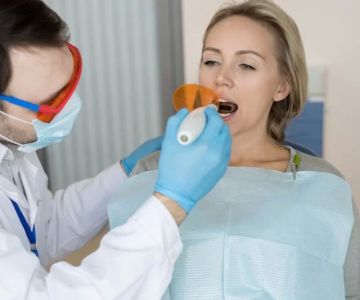
For small chips, dental bonding is an excellent option. This procedure involves applying a tooth-colored resin to the chipped area, which is then shaped to match the rest of your tooth. Bonding is quick, affordable, and requires minimal tooth alteration.
2. Veneers
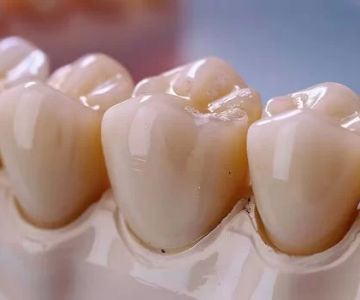
If the chip is more significant or affects the front of the tooth, a dental veneer may be recommended. Veneers are thin shells of porcelain or composite that cover the front surface of the tooth, restoring both its function and appearance.
3. Crowns
For larger or deeper chips, a crown might be necessary to fully cover the tooth. A crown will protect the tooth from further damage while providing a natural look and feel.
4. Root Canal and Cap
If the chip has exposed the pulp (nerve) of the tooth, a root canal treatment may be required to remove the infected tissue, followed by a cap to protect and seal the tooth.
After repairing your chipped tooth, proper aftercare is crucial to ensure the longevity of the repair:
1. Avoid Hard Foods
Immediately after the repair, avoid eating hard or sticky foods that might place stress on the tooth or disrupt the bond.
2. Maintain Good Oral Hygiene
Regular brushing and flossing are essential to prevent plaque buildup and keep the repaired area clean. Use a soft-bristled toothbrush and fluoride toothpaste.
3. Regular Dental Checkups
Even after a successful repair, continue with your regular dental checkups to ensure the integrity of the repair and maintain your overall dental health.
Preventing tooth damage is key to maintaining your dental health and saving yourself from costly repairs. Here are some tips to protect your teeth:
1. Wear a Mouthguard
If you play sports, especially contact sports, wearing a mouthguard is essential to protect your teeth from accidental impact.
2. Avoid Chewing Hard Objects
Resist the urge to chew on ice, pens, or anything hard. These habits can cause chips or cracks, especially in weakened teeth.
3. Keep Up with Regular Dental Care
Regular visits to the dentist for cleanings, exams, and preventive care can help catch early signs of tooth decay or weakening enamel, reducing the risk of breakage.
If you’re looking for effective dental care products to maintain healthy teeth and prevent future damage, consider these top-rated options:
1. Tooth Protecting Mouthguards
A custom-fitted mouthguard can reduce the risk of chipped teeth during sports. Look for options that offer both comfort and protection.
2. Fluoride Toothpaste
Using fluoride toothpaste can strengthen your enamel and reduce the chances of your teeth becoming chipped or weakened.
3. Dental Bonding Kits
If your chip is minor, a home dental bonding kit can offer a temporary fix. However, it’s important to visit a dentist for permanent repair.
For personalized recommendations and professional dental care, visit Dentistry Toothtruth for more expert guidance and products.
 Hawthorn Woods Family Dental Care5.0 (535 review)
 Tend East Nashville4.0 (319 review)
 NE Philly Dentistry4.0 (7 review)
 Fleetwood Dental4.0 (205 review)
 Huynh Long T DMD5.0 (7 review)
 Cherry Valley Dental4.0 (115 review)
 The Importance of Oral Health Education During Pregnancy for a Healthy Pregnancy
 Best Tips for Brushing Your Teeth Properly for Healthy Gums: Essential Techniques for Oral Health
 Why Skipping Dental Checkups Can Lead to Bigger Oral Health Problems
 Advantages of Porcelain Dental Restorations
 How Can Diabetes Cause Tooth and Gum Problems? Preventing and Managing Oral Health Issues
 Healthy Habits for Promoting Good Oral Health and Hygiene: Tips for a Healthy Smile