
Why Oral Hygiene Matters Every Day
Maintaining oral hygiene is more than just about keeping a bright smile—it directly impacts overall health. Poor oral care has been linked to gum disease, tooth loss, and even heart problems. In the United States, dentists often emphasize that a consistent routine of brushing and flossing can reduce the risk of cavities by more than half. Imagine someone skipping brushing for a week—bad breath and plaque buildup are only the beginning. This illustrates how important daily oral hygiene truly is.
How to Build a Daily Dental Care Routine
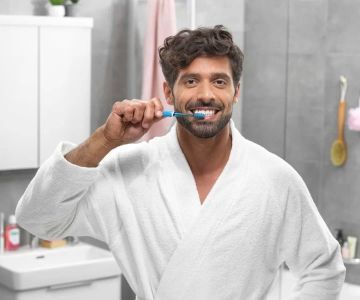
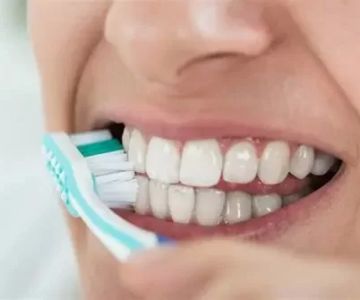
A proper oral hygiene routine doesn’t need to be complicated, but it must be consistent. The American Dental Association recommends brushing at least twice a day with fluoride toothpaste. Each brushing session should last about two minutes, focusing on all tooth surfaces—front, back, and chewing edges. Flossing should be done once a day to remove plaque and food particles from between teeth where brushes cannot reach. Adding a mouthwash can also help reduce bacteria and freshen breath, especially after meals.
Choosing the Right Toothbrush and Toothpaste
The tools you choose matter. A soft-bristled toothbrush is gentle on gums yet effective at removing plaque. Electric toothbrushes can be particularly beneficial for people who struggle with manual brushing, such as children or older adults. Fluoride toothpaste is a must-have, as it helps strengthen enamel and protect against cavities. Personal preference plays a role too—some people prefer gel, while others like paste. The key is using a product approved by dental professionals.
Techniques That Make a Difference
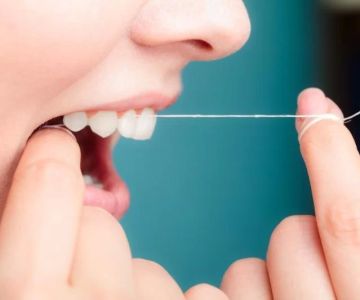
It’s not just about brushing—it’s about how you brush. Hold the toothbrush at a 45-degree angle to the gums, use short circular motions, and avoid aggressive scrubbing that can wear down enamel. Flossing should be done gently, guiding the string between teeth and curving it against each tooth in a C-shape motion. Consistent, careful technique ensures that every part of the mouth gets the attention it deserves.
The Role of Diet in Oral Hygiene
Oral health is influenced by what we eat. Sugary snacks and acidic drinks like soda erode enamel, increasing the risk of cavities. On the other hand, calcium-rich foods such as cheese, yogurt, and leafy greens help keep teeth strong. Drinking plenty of water also washes away food debris and bacteria, promoting fresh breath and clean teeth. One story shared by a dentist highlighted a patient who cut down soda consumption and noticed a dramatic improvement in gum health within six months—a reminder that diet and oral hygiene go hand in hand.
Regular Dental Visits and Professional Care
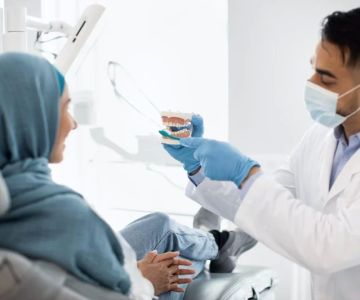
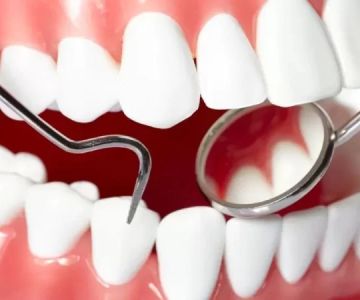
Even with perfect at-home care, professional cleanings and checkups remain essential. Dentists can identify problems early, such as small cavities or gum inflammation, before they become severe. Most Americans schedule dental appointments every six months, though people with ongoing conditions may need more frequent visits. Visiting professionals like those at Family Dentistry Online can ensure you get the right advice and treatments tailored to your needs.
Oral Hygiene for Different Life Stages
Oral hygiene needs change throughout life. Children benefit from parental guidance as they learn proper brushing techniques, while teenagers often need extra care due to braces or retainers. Adults must manage lifestyle habits like coffee or smoking, which can stain teeth. Seniors may deal with dry mouth caused by medications or require special attention for dentures. Understanding these stages ensures that oral care stays effective at every age.
Simple Habits That Improve Oral Health
Small changes make a big difference. Replacing a toothbrush every three months, avoiding chewing ice, and wearing a mouthguard during sports are habits that protect teeth. Even stress management plays a role, as grinding teeth at night can lead to serious dental damage. Building these habits into everyday life ensures that oral hygiene isn’t just a routine—it’s a lifestyle choice that supports long-term health.

 BellaSmiles Dentistry4.0 (184 review)
 Kennedy Dental Office4.0 (30 review)
 Dr. David Newkirk - Cosmetic and General Dentistry5.0 (31 review)
 Dr. Ilya Lipkin Orthodontics4.0 (178 review)
 Esthetic Dental Care of Collegeville5.0 (56 review)
 Sierra Family Dentistry4.0 (17 review)
 The Importance of Oral Health Education During Pregnancy for a Healthy Pregnancy
 Best Tips for Brushing Your Teeth Properly for Healthy Gums: Essential Techniques for Oral Health
 Why Skipping Dental Checkups Can Lead to Bigger Oral Health Problems
 Advantages of Porcelain Dental Restorations
 How Can Diabetes Cause Tooth and Gum Problems? Preventing and Managing Oral Health Issues
 Healthy Habits for Promoting Good Oral Health and Hygiene: Tips for a Healthy Smile