

Why Oral Hygiene Matters for Overall Health
Good oral hygiene is more than just keeping your teeth looking white—it’s about protecting your overall health. Studies from American dental associations show that gum disease has been linked to heart problems, diabetes, and even certain infections that spread through the bloodstream. In the United States, where lifestyle and diet often include sugary foods and beverages, maintaining strong oral hygiene practices is critical. A healthy mouth prevents pain, expensive treatments, and boosts self-confidence when smiling or speaking. By learning how to do good oral hygiene, people can protect both their teeth and their general well-being.
The Foundation of Oral Care: Brushing Techniques
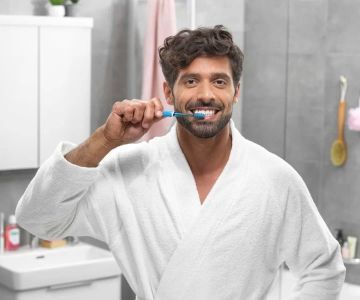
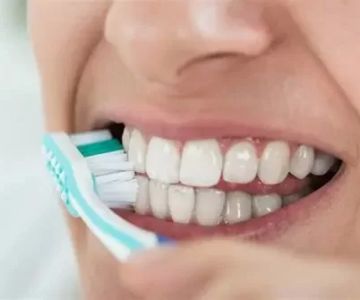
Brushing is the cornerstone of good oral hygiene, but many people do it incorrectly. The American Dental Association recommends brushing twice a day for at least two minutes with a fluoride toothpaste. The angle of the brush matters—placing the bristles at a 45-degree angle to the gums allows for effective cleaning without causing irritation. Small circular motions clean the teeth more thoroughly than simply moving the brush back and forth. It’s also important to replace a toothbrush every three to four months, as worn bristles lose their cleaning effectiveness. By perfecting these brushing techniques, people ensure that plaque and bacteria don’t build up.
The Importance of Flossing Daily
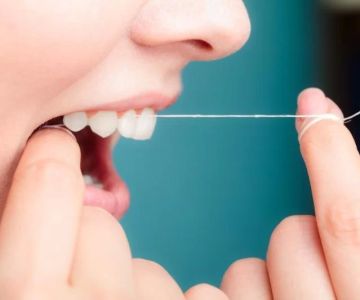
While brushing addresses the surface of the teeth, flossing targets the spaces in between where toothbrush bristles can’t reach. Dental experts report that skipping flossing allows nearly 40% of the tooth’s surface to go uncleaned. This is one reason why cavities often form between teeth. Flossing once a day removes plaque, food particles, and prevents gum inflammation. A case study from a dental clinic in California found that patients who incorporated flossing into their routine had significantly fewer cavities over a five-year period compared to those who relied on brushing alone. Flossing may feel like a chore at first, but it quickly becomes a habit that pays off with long-term benefits.
Using Mouthwash and Additional Tools
Mouthwash can be an excellent addition to oral care routines when chosen wisely. Antibacterial rinses help reduce plaque and gingivitis, while fluoride-based rinses strengthen enamel. However, mouthwash should never replace brushing and flossing—it should complement them. For people with braces or dental implants, additional tools such as interdental brushes or water flossers make cleaning more effective. One teenager who struggled with gum swelling while wearing braces reported a dramatic improvement after using a water flosser daily. These small additions to a routine can have a major impact, especially for individuals with unique dental challenges.
Diet and Lifestyle Choices That Impact Oral Health
Good oral hygiene extends beyond brushing and flossing. What people eat and drink daily has a direct effect on their dental health. Sugary sodas, sticky candies, and frequent snacking increase the risk of cavities. On the other hand, crunchy vegetables like carrots and apples naturally clean the teeth while stimulating saliva production. Saliva helps neutralize acids and wash away food particles. Smoking and excessive alcohol consumption are also major threats to oral health, as they dry out the mouth and increase risks of gum disease and oral cancer. By adopting healthier dietary and lifestyle choices, individuals can significantly improve their oral hygiene outcomes.
Regular Dental Check-Ups and Professional Cleaning
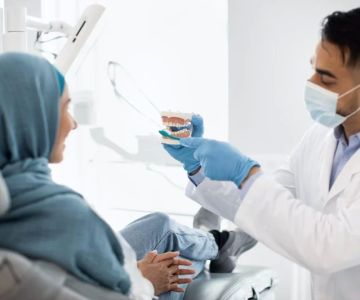
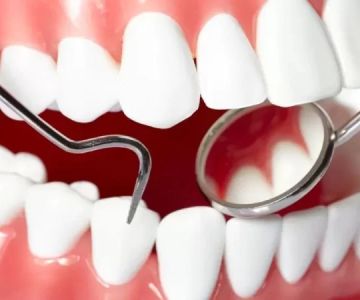
No matter how good home care may be, regular dental visits remain essential. Dentists in the U.S. recommend a check-up and professional cleaning every six months. These visits help identify issues early, such as cavities, gum disease, or enamel erosion, before they turn into painful and costly problems. Professional cleanings remove tartar buildup that brushing and flossing cannot eliminate. Patients often leave these appointments not only with a cleaner mouth but also with personalized advice tailored to their unique needs. For those unsure where to begin, services like Family Dentistry Online provide reliable recommendations for trusted dental professionals.
Building Healthy Habits for a Lifetime
Good oral hygiene isn’t about quick fixes; it’s about building habits that last a lifetime. Parents who teach their children proper brushing and flossing techniques set them up for long-term success. Adults who stay consistent with oral hygiene practices often find that their dental visits involve fewer problems and less stress. Real-life stories show how consistent care makes a difference—for example, a man in New York who had neglected his oral hygiene for years required several costly root canals, but after committing to daily brushing, flossing, and regular check-ups, he managed to avoid further serious issues. Habits built today truly shape the health of tomorrow.
The Connection Between Confidence and Oral Health
Oral hygiene is also tied closely to emotional well-being. People who maintain healthy teeth and gums often feel more confident when speaking or smiling in public. Bad breath, visible plaque, or tooth decay can affect social interactions, career opportunities, and self-esteem. By learning how to do good oral hygiene, individuals not only improve their health but also enhance their quality of life. This is why dental care is often described as a form of self-care—it reflects both health and confidence. A well-maintained smile can leave a lasting impression in both personal and professional settings.

 Rota Advanced Dental Care4.0 (118 review)
 Hospitality Dental & Orthodontics4.0 (524 review)
 Hada Richard K DDS5.0 (18 review)
 Dental Care at Rose Creek4.0 (384 review)
 Custom Endodontics4.0 (67 review)
 Desert Ridge Smiles - Radhika Rawal DDS5.0 (145 review)
 The Importance of Oral Health Education During Pregnancy for a Healthy Pregnancy
 Best Tips for Brushing Your Teeth Properly for Healthy Gums: Essential Techniques for Oral Health
 Why Skipping Dental Checkups Can Lead to Bigger Oral Health Problems
 Advantages of Porcelain Dental Restorations
 How Can Diabetes Cause Tooth and Gum Problems? Preventing and Managing Oral Health Issues
 Healthy Habits for Promoting Good Oral Health and Hygiene: Tips for a Healthy Smile