
Understanding Poor Oral Hygiene: What It Really Means
Poor oral hygiene is more than just an unpleasant odor or stained teeth; it reflects a neglect of daily care that affects not only the mouth but overall health. Describing poor oral hygiene requires awareness of its visible signs, underlying causes, and the potential long-term consequences. Whether for educational, clinical, or personal awareness, understanding these details can help identify problems early and encourage better habits.
1. Visible Signs of Poor Oral Hygiene
When trying to describe poor oral hygiene, start with the most apparent indicators:
- Plaque and Tartar Build-Up: A sticky, colorless film called plaque accumulates on teeth when brushing is infrequent or ineffective. Over time, it hardens into tartar, which appears yellow or brown.
- Gum Inflammation and Bleeding: Red, swollen, or tender gums that bleed during brushing or flossing often point to gingivitis, an early stage of gum disease caused by poor hygiene.
- Bad Breath (Halitosis): Persistent bad breath is a common and embarrassing symptom arising from bacteria thriving due to inadequate cleaning.
- Stained or Discolored Teeth: Lack of proper brushing can cause teeth to become yellowed or stained from food, drinks, and bacteria.
- Tooth Decay and Cavities: Visible holes, black spots, or sensitivity in teeth indicate decay, often the result of long-term poor oral care.
2. Causes Behind Poor Oral Hygiene
Poor oral hygiene doesn’t happen overnight; it usually results from a combination of factors:
- Inconsistent Brushing and Flossing: Skipping daily brushing or flossing leaves food particles and bacteria to accumulate.
- Poor Technique: Brushing too quickly or without covering all surfaces of the mouth can leave harmful plaque behind.
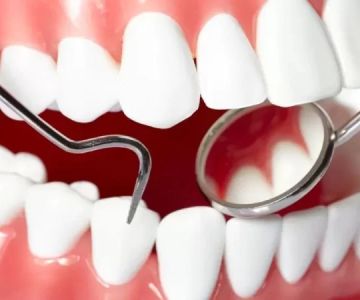
- Neglecting Dental Visits: Regular dental check-ups and cleanings are essential to catch early signs of problems.
- Diet: Frequent consumption of sugary or acidic foods and drinks promotes bacterial growth and enamel erosion.
- Medical Conditions and Medications: Conditions like dry mouth or medications that reduce saliva flow can increase risk of oral problems.
3. The Impact of Poor Oral Hygiene on Overall Health
Describing poor oral hygiene must include its broader effects. Beyond cavities and gum disease, neglected oral care can contribute to:
- Periodontal Disease: Advanced gum disease that may lead to tooth loss and bone damage.
- Systemic Health Issues: Research links oral bacteria to heart disease, diabetes complications, respiratory infections, and even adverse pregnancy outcomes.
- Reduced Quality of Life: Pain, difficulty eating, and social embarrassment from bad breath or tooth appearance affect daily wellbeing.
4. Real-Life Story: From Neglect to Renewal
Consider Jane, a busy professional who ignored routine brushing and dental visits for years. Over time, she noticed bleeding gums, persistent bad breath, and tooth sensitivity. A dental exam revealed multiple cavities and early gum disease. With professional help and adopting proper oral hygiene habits, Jane gradually restored her oral health. Her story underscores how poor oral hygiene can sneak up and how effective care can reverse damage.
5. Practical Tips to Improve Oral Hygiene
To move from describing poor oral hygiene to improving it, here are actionable tips:
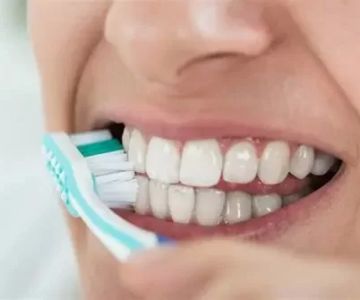
- Brush Twice Daily with Fluoride Toothpaste: Spend at least two minutes covering all tooth surfaces.
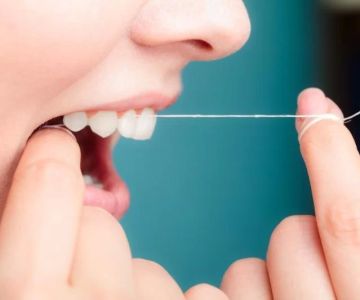
- Floss Daily: Clean between teeth where brushes can’t reach.
- Limit Sugary Foods and Drinks: Reduce consumption and rinse mouth with water after eating.
- Regular Dental Check-Ups: Visit your dentist every six months for cleanings and examinations.
- Use Mouthwash: Antibacterial rinses can help reduce plaque and freshen breath.
6. When to Seek Professional Help
If you or someone you know exhibits signs of poor oral hygiene such as persistent bleeding gums, severe bad breath, or tooth pain, professional evaluation is necessary. Early intervention can prevent progression to more serious conditions.
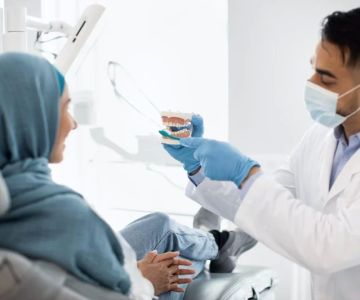
Dentists and dental hygienists provide personalized guidance, treatments, and support to help regain oral health and maintain it long-term.
7. How Dentistry Toothtruth Can Support Your Oral Health Journey
For those seeking expert advice and quality care, Dentistry Toothtruth offers a range of services tailored to diagnose and treat oral hygiene issues effectively. From thorough cleanings and education to advanced restorative procedures, their team helps patients understand their oral health and achieve lasting improvements.
Visit Dentistry Toothtruth to find the most suitable treatment plans, hygiene products, and professional support for a confident, healthy smile.


 32 Dental Practice4.0 (244 review)
 Central Park Dental Aesthetics4.0 (129 review)
 Shore Smiles 4 Kids5.0 (21 review)
 Maple Grove Dental5.0 (264 review)
 Dental Arts of Rockland4.0 (883 review)
 RG Dental Group4.0 (91 review)
 The Importance of Oral Health Education During Pregnancy for a Healthy Pregnancy
 Best Tips for Brushing Your Teeth Properly for Healthy Gums: Essential Techniques for Oral Health
 Why Skipping Dental Checkups Can Lead to Bigger Oral Health Problems
 Advantages of Porcelain Dental Restorations
 How Can Diabetes Cause Tooth and Gum Problems? Preventing and Managing Oral Health Issues
 Healthy Habits for Promoting Good Oral Health and Hygiene: Tips for a Healthy Smile