
Understanding Oral Temperature Measurement
Taking your temperature is a common practice when you’re feeling unwell, trying to monitor your health, or checking for signs of fever. One of the most common and easy methods for measuring temperature is orally with a thermometer. Knowing how to check your temperature orally is not only important for detecting illness but also for taking preventive steps in managing your health. In this article, we’ll guide you through the process of checking your temperature orally, provide tips for accurate readings, and discuss why it’s essential to track your temperature in certain situations.
What Is an Oral Temperature?
Oral temperature refers to the body’s temperature as measured from the mouth, typically using a thermometer. This method is considered one of the easiest and most reliable ways of measuring body temperature for adults and children above the age of 4. A normal oral temperature for a healthy adult usually ranges from 97°F to 99°F (36.1°C to 37.2°C). When your temperature exceeds 100.4°F (38°C), you’re typically considered to have a fever, which could be a sign of infection or other health issues.
Why Measure Temperature Orally?
Oral temperature measurement is widely used because it’s easy to do and provides accurate results when performed correctly. Compared to other methods, like axillary (underarm) or rectal measurements, taking your temperature orally is non-invasive and can be done quickly. Oral temperature readings are also generally close to the core body temperature, making them an excellent indicator of overall health. Knowing how to check your temperature orally is beneficial not only for managing your health at home but also for situations where a fever could indicate something more serious.
What You’ll Need to Measure Temperature Orally
To take an oral temperature accurately, you’ll need a digital thermometer, which is a common and easily accessible tool. Digital thermometers are typically more accurate, safe, and hygienic compared to older mercury thermometers. The following items are needed:
- A digital thermometer
- A clean mouth (free of food, drink, or smoking)
- A quiet, comfortable environment
How to Check Your Temperature Orally: Step-by-Step Instructions
Taking your oral temperature is straightforward, but for the most accurate reading, it’s important to follow a few key steps. Here’s a step-by-step guide:
1. Prepare the Thermometer
First, ensure your thermometer is clean and in good working order. If you’re using a digital thermometer, turn it on, and make sure it’s set to measure temperature in Fahrenheit or Celsius, depending on your preference. Some thermometers also have a protective cover for hygiene, so use it if available.
2. Avoid Eating, Drinking, or Smoking
For the most accurate reading, it’s important to avoid eating, drinking, or smoking at least 15 minutes before taking your oral temperature. These activities can temporarily affect the temperature of your mouth, leading to inaccurate readings. Make sure your mouth is at normal body temperature before inserting the thermometer.
3. Place the Thermometer Under Your Tongue
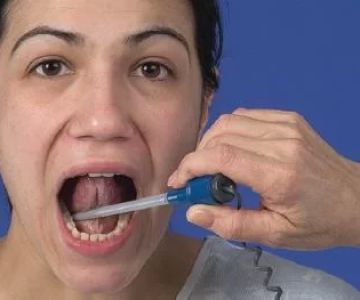
Place the thermometer under the middle of your tongue, towards the back of your mouth. Close your lips around the thermometer to keep it in place. It’s essential to avoid talking or moving your mouth during the measurement, as this can disrupt the reading. Make sure to place the thermometer properly under your tongue to ensure an accurate result.
4. Wait for the Temperature to Be Recorded
Most digital thermometers will beep or display a reading once the measurement is complete, typically within 10-30 seconds. The thermometer will show the recorded temperature on its digital screen. Don’t remove the thermometer until it beeps to ensure the measurement has been fully taken.
5. Read and Record the Temperature
Once the thermometer beeps, carefully remove it from your mouth. Check the reading displayed on the screen. A typical reading will range from 97°F to 99°F for a healthy adult. If your reading is above 100.4°F (38°C), you may have a fever, which can indicate an infection or illness. Record the temperature if necessary for tracking purposes.
6. Clean the Thermometer
After use, it’s essential to clean your thermometer thoroughly with soap and warm water or use alcohol wipes to disinfect it, especially if you plan to use it again. Proper cleaning helps prevent the spread of germs and bacteria, keeping the thermometer hygienic for future use.
Tips for Accurate Oral Temperature Readings
To ensure you’re taking your temperature correctly and getting accurate results, follow these additional tips:
1. Measure at the Same Time Each Day
Body temperature can fluctuate throughout the day. It’s a good idea to measure your temperature at the same time each day, preferably in the morning, before eating or drinking, for consistency. This will help you track any changes over time and better understand your baseline temperature.
2. Avoid Activity Before Measuring
Intense physical activity can elevate your body temperature, so it’s important to rest for at least 15 minutes before measuring your temperature. If you’ve been exercising, wait until your body has cooled down to get an accurate reading.
3. Consider the Environment
Environmental factors can also affect your temperature measurement. Avoid taking your oral temperature immediately after stepping into a hot shower or being exposed to extremely cold temperatures. Your body needs time to adjust to normal conditions before you measure it.
4. Use a High-Quality Thermometer
Not all thermometers are created equal. It’s important to invest in a good-quality digital thermometer, especially one that has been clinically validated. A cheap or poorly functioning thermometer may give inaccurate readings and may need to be replaced after frequent use.
When Should You Take Your Temperature?
Taking your temperature can be an essential part of monitoring your health, especially if you’re experiencing symptoms such as chills, sweating, or fatigue. You should consider measuring your temperature in the following situations:
- If you’re feeling unwell or suspect you might have a fever
- When monitoring a chronic illness or infection
- If a family member is sick and you want to keep track of their temperature
- After any activity that may cause a rise in body temperature, like exercise
How to Know When to Seek Medical Help
While taking your temperature is a helpful way to monitor your health, it’s also important to know when to seek medical help. If your temperature is consistently above 100.4°F (38°C), especially when accompanied by other symptoms such as difficulty breathing, chest pain, or confusion, you should contact a healthcare professional immediately. High fevers can indicate serious conditions, and it’s important to seek medical advice when needed.
In conclusion, learning how to check your temperature orally is a valuable skill that can help you monitor your health effectively. By following the proper steps and taking precautions for accurate readings, you can detect early signs of illness and take appropriate action. For those seeking the best thermometers and health tips, visit Dentistry Toothtruth for expert advice and product recommendations.

 Westchester Dental Design: Implant, Cosmetic, & Family Dentistry4.0 (45 review)
 Gentle Dental Norco4.0 (118 review)
 Waltuch Callan Orthodontics4.0 (64 review)
 Little Big Smiles Pediatric Dentistry of Fort Myers5.0 (130 review)
 Dr. Marty Margetis5.0 (1 review)
 Dental Associates of Delaware-Brandywine4.0 (611 review)
 The Importance of Oral Health Education During Pregnancy for a Healthy Pregnancy
 Best Tips for Brushing Your Teeth Properly for Healthy Gums: Essential Techniques for Oral Health
 Why Skipping Dental Checkups Can Lead to Bigger Oral Health Problems
 Advantages of Porcelain Dental Restorations
 How Can Diabetes Cause Tooth and Gum Problems? Preventing and Managing Oral Health Issues
 Healthy Habits for Promoting Good Oral Health and Hygiene: Tips for a Healthy Smile