
Understanding Oral Cancer and Its Importance
Oral cancer is a serious health condition that affects thousands of people in the United States each year. Early detection is crucial because it significantly improves the chances of successful treatment and survival. Unfortunately, many individuals do not recognize the early warning signs of oral cancer, leading to delayed diagnosis. Knowing how to check for oral cancer can empower you to take timely action and seek professional help.
Recognizing Early Signs of Oral Cancer
1. Unexplained Mouth Sores That Don’t Heal
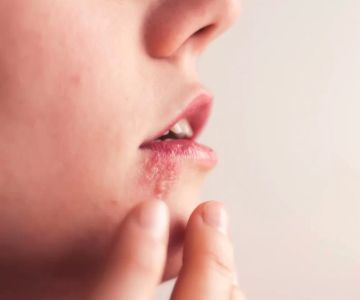
One of the most common early indicators of oral cancer is persistent sores or ulcers in the mouth that fail to heal within two weeks. These sores may appear on the lips, tongue, gums, or the lining of the cheeks. Unlike typical cold sores or minor injuries, cancerous sores tend to linger and sometimes cause pain or discomfort.
2. White or Red Patches Inside the Mouth
White patches (leukoplakia) or red patches (erythroplakia) on the mucous membranes are important warning signs. These patches can be flat or slightly raised and may feel rough. While not all patches are cancerous, they should be evaluated by a dentist or specialist to rule out malignancy.
3. Persistent Pain or Tenderness
Unexplained pain, tenderness, or numbness in the mouth or on the tongue can also be an early symptom of oral cancer. Some patients report a burning sensation or a feeling that something is stuck in the throat. Such sensations warrant prompt medical evaluation.
How to Perform a Self-Examination for Oral Cancer
1. Visual Inspection of the Mouth
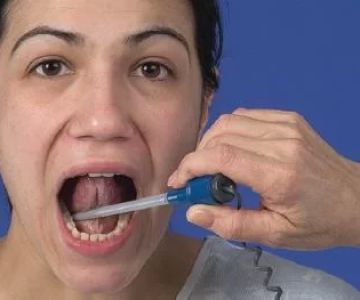
Start by standing in front of a mirror with good lighting. Look inside your mouth for any unusual spots, lumps, or sores on the tongue, gums, inner cheeks, roof, and floor of the mouth. Pay close attention to any color changes, swelling, or asymmetry. Using a flashlight can help you see areas that are otherwise hard to examine.
2. Palpation of the Neck and Jaw
Gently feel around your jaw and neck area for any lumps or swelling. Enlarged lymph nodes can be a sign that cancer has spread and should be checked by a healthcare professional immediately.
3. Monitor for Changes Over Time
Keep a record of any suspicious signs you notice. If any sores, lumps, or patches do not improve or worsen within two weeks, make an appointment with your dentist or doctor for a thorough examination.
Professional Oral Cancer Screening and Diagnostic Tests
1. Routine Dental Examinations
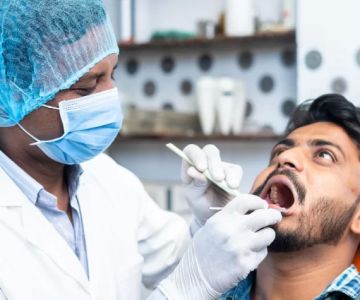
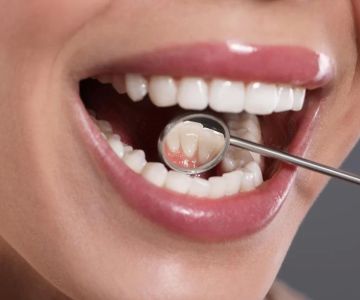
Many dentists include oral cancer screenings as part of routine check-ups. They use visual and tactile methods to identify suspicious lesions or abnormalities. This is especially important for individuals with risk factors such as tobacco or alcohol use.
2. Use of Special Screening Tools
In some cases, dentists may use adjunctive tools like VELscope or toluidine blue dye to highlight abnormal tissues not easily seen by the naked eye. These tests aid in early detection and guide biopsies.
3. Biopsy for Definitive Diagnosis
If an abnormal area is found, a biopsy is often performed to determine whether the tissue is cancerous. Early biopsy and diagnosis improve treatment outcomes.
Risk Factors That Increase Oral Cancer Chances
Understanding risk factors can help prioritize screening and prevention:
- Tobacco Use: Smoking cigarettes, cigars, pipes, or using chewing tobacco greatly increases risk.
- Heavy Alcohol Consumption: Excessive drinking synergizes with tobacco to increase oral cancer risk.
- Human Papillomavirus (HPV): Certain strains of HPV are linked to oropharyngeal cancers.
- Age and Gender: Oral cancer is more common in people over 40 and slightly more prevalent in men.
- Poor Oral Hygiene: Chronic irritation or infections may contribute to risk.
Real Stories Highlighting the Importance of Early Detection
Jane, a 52-year-old schoolteacher from Texas, noticed a small white patch on her tongue that didn’t go away after a few weeks. Initially dismissing it as irritation, she finally visited her dentist after attending a local health seminar. The dentist’s early screening led to a biopsy, confirming early-stage oral cancer. Thanks to prompt treatment, Jane recovered fully and now advocates for regular oral health checks.
When to Seek Immediate Medical Attention
If you experience persistent symptoms such as: severe mouth pain, difficulty swallowing or speaking, unexplained bleeding, or numbness lasting more than two weeks, you should seek medical help without delay. Early intervention can save lives.
Preventive Measures to Lower Oral Cancer Risk
Besides regular self-exams and screenings, adopting healthy lifestyle habits reduces oral cancer risk. Avoid tobacco products, limit alcohol intake, maintain good oral hygiene, and get vaccinated against HPV if eligible. Eating a diet rich in fruits and vegetables also supports oral health.
Where to Get Expert Help and Screening
If you want professional oral cancer screening or guidance, visit Dentistry Toothtruth for trusted services. Our specialists provide thorough examinations and personalized care to ensure your oral health is protected.
 The Art of Dental Wellness5.0 (127 review)
 Newtown Family Dentistry4.0 (361 review)
 Chen Winston w DDS4.0 (23 review)
 Westchester Smile Design | Part of the Roligo Network4.0 (525 review)
 Middleburg Heights Family Dentistry5.0 (2 review)
 Waukegan Dental Wellness0.0 (0 review)
 The Importance of Oral Health Education During Pregnancy for a Healthy Pregnancy
 Best Tips for Brushing Your Teeth Properly for Healthy Gums: Essential Techniques for Oral Health
 Why Skipping Dental Checkups Can Lead to Bigger Oral Health Problems
 Advantages of Porcelain Dental Restorations
 How Can Diabetes Cause Tooth and Gum Problems? Preventing and Managing Oral Health Issues
 Healthy Habits for Promoting Good Oral Health and Hygiene: Tips for a Healthy Smile