
How to Care for Your Teeth After a Dental Cleaning – Essential Tips for Post-Cleaning Oral Health
- The Importance of Post-Cleaning Dental Care
- Tips for Maintaining Teeth After a Cleaning
- What to Avoid After a Dental Cleaning
- Common Questions About Post-Cleaning Care
- Real-Life Stories About Dental Care After Cleaning
1. The Importance of Post-Cleaning Dental Care
Dental cleanings are essential for maintaining a healthy smile, but how you care for your teeth after a cleaning is equally important. Proper post-cleaning care ensures that the benefits of the cleaning last and that your teeth remain healthy. Dental cleanings remove plaque, tartar, and bacteria, leaving your teeth and gums refreshed. However, it’s vital to follow up with good oral hygiene practices to prevent the buildup of new plaque and maintain the clean feeling in your mouth.
Without proper aftercare, your teeth can quickly become vulnerable to plaque accumulation, cavities, and gum disease, which can undo the positive effects of the cleaning. Taking care of your teeth after a cleaning helps extend the life of your oral health and ensures that your smile stays bright and healthy.
2. Tips for Maintaining Teeth After a Cleaning
To ensure your teeth stay healthy and fresh after a dental cleaning, consider these helpful tips:
- Brush Your Teeth Gently: After your cleaning, your gums and teeth may be more sensitive than usual. It’s essential to brush your teeth gently with a soft-bristled toothbrush to avoid irritating your gums and enamel. Opt for fluoride toothpaste to strengthen your teeth and protect against decay.
- Use Mouthwash: After a cleaning, using an antimicrobial or fluoride mouthwash can help kill remaining bacteria and protect your teeth from cavities. Mouthwash can also provide a soothing effect on your gums and help reduce inflammation.
- Floss Daily: Flossing is crucial to remove plaque between your teeth where your toothbrush might not reach. Make sure to floss gently to avoid irritating your gums, especially right after a cleaning.
- Drink Plenty of Water: Staying hydrated helps your mouth produce saliva, which is essential for neutralizing acids and washing away food particles. Water can also help keep your mouth fresh and clean after a cleaning.
- Eat Healthy Foods: Incorporate foods that promote oral health, like crunchy vegetables, apples, and cheese. These foods help stimulate saliva production and naturally clean your teeth while you chew.
3. What to Avoid After a Dental Cleaning
While it's important to care for your teeth after a cleaning, there are also some things you should avoid to protect your teeth and gums. Here’s what to watch out for:
- Avoid Staining Foods and Drinks: After a cleaning, your teeth are more porous and can absorb stains more easily. For the first 24 to 48 hours, it’s best to avoid beverages like coffee, tea, red wine, and foods that can stain your teeth, such as curry or beets.
- Don’t Smoke: Smoking can irritate your gums and stain your teeth, undoing the benefits of your cleaning. Try to refrain from smoking for at least a day after the cleaning to allow your gums to heal and stay healthy.
- Skip Hard or Sticky Foods: Hard and sticky foods can cause discomfort and even damage your teeth or gums, especially after a cleaning. Avoid items like hard candy, chips, and chewy gum for a few hours after your visit.
- Don’t Over-Brush: While it’s essential to maintain good oral hygiene after a cleaning, avoid brushing too aggressively, especially during the first few hours. Your gums may be sensitive, and over-brushing can cause irritation or even gum recession.
4. Common Questions About Post-Cleaning Care
Many patients have questions about how to care for their teeth after a cleaning. Here are some common concerns:
- How soon can I eat after a cleaning? You can eat immediately after your cleaning, but it’s best to avoid hard or sticky foods for a few hours to prevent any discomfort or damage to your gums.
- Is it normal for my gums to bleed after a cleaning? Some mild bleeding or gum tenderness is normal, especially if you haven’t been flossing regularly. If bleeding persists or is excessive, consult your dentist.
- Can I use teeth whitening products after a cleaning? It’s best to wait 24-48 hours before using whitening products, as your teeth may be more sensitive after the cleaning.
5. Real-Life Stories About Dental Care After Cleaning
Many people have shared their experiences of how proper dental care after a cleaning has made a difference. For instance, Lisa, a long-time patient, shares, “After my last cleaning, I made sure to follow all the aftercare instructions. I brushed gently, avoided staining foods, and flossed every day. My teeth feel healthier and cleaner than ever, and I haven’t had any issues since.”
John, another patient, adds, “I didn’t realize how important post-cleaning care was until I didn’t take care of my teeth after a cleaning. My gums were sore, and I had some plaque buildup again within a few weeks. Now, I make sure to follow my dentist’s advice, and it’s made all the difference.”
These stories highlight how essential it is to care for your teeth after a cleaning to maintain your oral health and prevent future issues. With the right aftercare, you can extend the benefits of your cleaning and keep your smile bright and healthy.
For more information on proper dental care and tips for maintaining your oral health, visit Dentistry Toothtruth. We’re here to help you maintain a healthy smile every day!






 HOLISTIC DENTAL AND WELLNESS CENTER3.0 (8 review)
 Bindi Patel D.D.S4.0 (77 review)
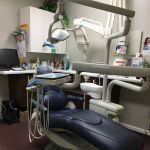 Charles A. Messa Jr. DDS4.0 (14 review)
 Smiles 'R' Us Dentistry4.0 (254 review)
 McCabe Orthodontics4.0 (14 review)
 Westridge Dental Group: Kasper Robert DDS4.0 (11 review)
 The Importance of Oral Health Education During Pregnancy for a Healthy Pregnancy
 Best Tips for Brushing Your Teeth Properly for Healthy Gums: Essential Techniques for Oral Health
 Why Skipping Dental Checkups Can Lead to Bigger Oral Health Problems
 Advantages of Porcelain Dental Restorations
 How Can Diabetes Cause Tooth and Gum Problems? Preventing and Managing Oral Health Issues
 Healthy Habits for Promoting Good Oral Health and Hygiene: Tips for a Healthy Smile