
How to Care for Gums at Home
- Understanding Gum Health
- Daily Routines for Gum Care
- Best Foods for Healthy Gums
- Dealing with Common Gum Issues
- Professional Gum Care Tips
Understanding Gum Health
Healthy gums are essential for overall oral health, and maintaining them requires more than just brushing your teeth. Gums are the foundation that holds your teeth in place, so ensuring they are well taken care of can prevent future dental problems. Gum disease, such as gingivitis and periodontitis, can lead to tooth loss and other serious issues if not addressed early.
Many people overlook their gums, focusing mainly on teeth. However, gums play a crucial role in preventing bacterial buildup and inflammation. Learning how to care for your gums at home is a vital part of maintaining a healthy mouth.
Daily Routines for Gum Care
Proper gum care starts with a solid daily routine. While brushing your teeth is crucial, it’s equally important to include your gums in your oral hygiene habits. Here's how to properly care for your gums at home:
- Brush Gums Gently: Use a soft-bristled toothbrush and gently brush your gums along with your teeth. Avoid aggressive brushing, as it can cause irritation and lead to gum recession.
- Floss Regularly: Flossing removes plaque and food particles from between your teeth and along the gumline, where your toothbrush can’t reach. This helps prevent gum disease and maintains gum health.
- Use Mouthwash: An antibacterial mouthwash can help reduce plaque and protect against gum disease. Look for one that’s specifically designed to fight gum issues.
Best Foods for Healthy Gums
What you eat has a direct impact on the health of your gums. Eating a balanced diet can help strengthen your gums and fight off bacteria that contribute to gum disease. Here are some of the best foods for healthy gums:
- Vitamin C-Rich Foods: Citrus fruits like oranges, strawberries, and bell peppers are high in vitamin C, which is essential for gum tissue repair and health.
- Calcium-Rich Foods: Dairy products like milk and cheese, as well as leafy greens, help strengthen your teeth and gums by promoting bone health.
- Green Tea: Known for its antioxidants, green tea can help reduce gum inflammation and prevent gum disease.
Dealing with Common Gum Issues
Even with the best care, gum issues can still arise. Here are some common gum problems and tips for addressing them:
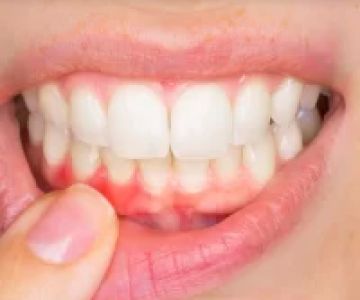
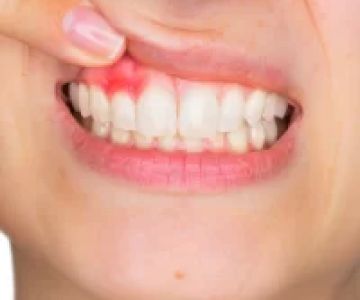
- Bleeding Gums: If your gums bleed when brushing or flossing, it may be a sign of gingivitis, a mild form of gum disease. Regular flossing and gentle brushing can help, but if the problem persists, a visit to your dentist is recommended.
- Receding Gums: Gum recession can be caused by aggressive brushing or gum disease. Using a soft-bristled toothbrush and proper flossing technique can prevent further recession.
- Bad Breath: Persistent bad breath can be a sign of gum infection or poor oral hygiene. Consistent brushing, flossing, and using mouthwash can help manage the problem.
Professional Gum Care Tips
While caring for your gums at home is essential, professional dental care is equally important. Regular checkups and cleanings with your dentist can help detect early signs of gum disease and ensure that your gums stay healthy. Dentists can also provide more advanced treatments if necessary, such as scaling and root planing, to remove plaque and tartar buildup below the gumline.
For those looking to take extra care of their gums, products like gum care toothbrushes and gum-specific toothpaste may be beneficial. For more information on maintaining healthy gums and a smile you can be proud of, consider visiting Dentistry Toothtruth for a range of expert advice and product recommendations.



 Papania Family Dentistry4.0 (166 review)
 McElroy Pediatric Dentistry4.0 (234 review)
 Rick Lacuesta, DDS2.0 (4 review)
 Think Better Life - Orofacial Pain, TMJ & Sleep Disorder Solutions Chicago4.0 (11 review)
 Dentistry at 1818 Market Street4.0 (686 review)
 Graylyn Dental4.0 (681 review)
 The Importance of Oral Health Education During Pregnancy for a Healthy Pregnancy
 Best Tips for Brushing Your Teeth Properly for Healthy Gums: Essential Techniques for Oral Health
 Why Skipping Dental Checkups Can Lead to Bigger Oral Health Problems
 Advantages of Porcelain Dental Restorations
 How Can Diabetes Cause Tooth and Gum Problems? Preventing and Managing Oral Health Issues
 Healthy Habits for Promoting Good Oral Health and Hygiene: Tips for a Healthy Smile