
How to Address Early Dental Issues in Children: Essential Tips for Parents
- 1. The Importance of Early Dental Care
- 2. Common Early Dental Issues in Children
- 3. Preventing Dental Issues in Kids
- 4. When to Take Your Child to the Dentist
- 5. The Role of Parents in Promoting Healthy Teeth
- 6. Real-Life Example: Tackling Early Dental Issues
1. The Importance of Early Dental Care
Oral health plays a crucial role in a child's overall well-being, and addressing dental issues early on can help avoid more serious problems later. Establishing good oral hygiene habits at an early age sets the foundation for a lifetime of healthy teeth. Early dental care isn't just about brushing and flossing; it's about preventing issues such as cavities, gum disease, and alignment problems before they become more complicated.
Starting dental visits early is vital. The American Academy of Pediatric Dentistry recommends that a child visit the dentist by their first birthday or when their first tooth appears. Regular checkups can help spot early issues and guide parents on how to prevent future dental problems.
2. Common Early Dental Issues in Children
Children’s teeth can encounter several common issues as they grow. Some of the most prevalent early dental problems include:
- Cavities: Cavities are one of the most common dental problems in children, often due to sugary snacks and drinks. Cavities can lead to tooth decay if not addressed promptly.
- Teething Discomfort: Teething can cause discomfort for infants as their first teeth emerge. While this is a normal part of childhood development, it can still cause temporary pain and irritability.
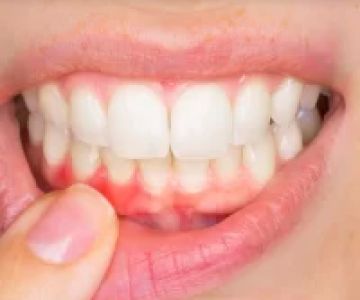
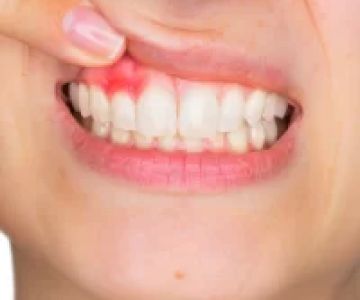
- Gum Disease: Gum disease can start early, especially if proper oral hygiene isn't maintained. This can lead to swollen, bleeding gums, which could be a sign of gingivitis.
- Tooth Sensitivity: Some children may develop sensitivity to hot or cold foods, which can be due to enamel erosion or early stages of cavities.
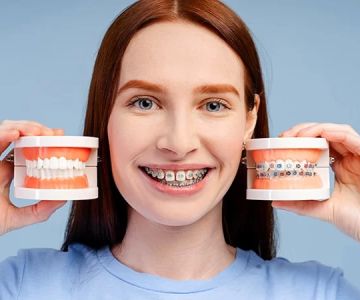
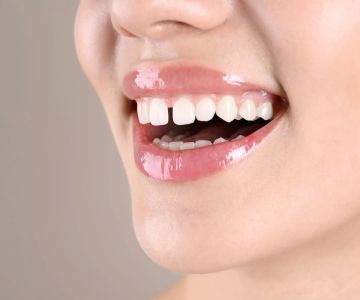
- Alignment Issues: Early signs of misalignment, like crooked teeth or bite issues, are common and can be addressed early with orthodontic intervention if necessary.
3. Preventing Dental Issues in Kids
Preventing dental problems in children starts with daily care and the right habits. Here are some effective strategies to keep your child’s smile healthy:
- Brushing and Flossing: Children should brush their teeth at least twice a day, using fluoride toothpaste. Parents should help younger children with brushing until they are able to do it properly on their own. Flossing should begin when two teeth touch.
- Healthy Diet: A balanced diet rich in fruits, vegetables, and dairy products helps strengthen teeth and gums. Limit sugary snacks and drinks, as they contribute to cavities and tooth decay.
- Fluoride Treatments: Fluoride is a powerful tool in preventing cavities. Many communities add fluoride to drinking water, and your dentist may recommend fluoride treatments or fluoride toothpaste for extra protection.
- Dental Sealants: Dental sealants are protective coatings applied to the chewing surfaces of the back teeth, where cavities are most likely to develop. This simple procedure can help prevent cavities in children.
- Regular Dental Visits: Regular checkups with a pediatric dentist ensure that any potential issues are identified and treated early. Professional cleanings and checkups also help maintain your child’s oral health.
4. When to Take Your Child to the Dentist
Knowing when to take your child to the dentist is essential. The American Academy of Pediatrics recommends the first dental visit by age 1, or when the first tooth erupts. However, if you notice any of the following signs, it’s important to schedule a visit with your child’s dentist:
- Persistent Thumb-Sucking: If your child continues to suck their thumb past age 4, it may affect their teeth alignment and jaw development.
- Tooth Pain: If your child complains of tooth pain or shows signs of sensitivity, it could indicate a cavity or other dental problem that needs attention.
- Delayed Teeth Eruption: If your child’s teeth are not coming in on schedule, this could indicate an underlying issue.
- Bleeding Gums: If your child’s gums are bleeding when they brush or floss, it could be a sign of gingivitis or other oral health problems.
5. The Role of Parents in Promoting Healthy Teeth
Parents play a crucial role in fostering good dental habits for their children. By setting a positive example and taking proactive steps, you can help your child maintain healthy teeth and gums. Here’s how you can make a difference:
- Be a Role Model: Children often mimic their parents’ behaviors. Show your child how to brush and floss regularly, and be consistent about oral hygiene routines.
- Make Dental Visits Routine: Make dental visits a normal part of life. If you’re comfortable with the dentist, your child will be more likely to feel at ease as well.
- Encourage Healthy Habits: Encourage your child to eat nutritious foods and avoid sugary snacks. Make drinking water a habit, and limit sugary beverages.
- Use Positive Reinforcement: Reward your child for good oral hygiene habits. Positive reinforcement can motivate them to take care of their teeth on their own.
6. Real-Life Example: Tackling Early Dental Issues
Let’s look at a real-life example. Sarah, a 5-year-old, had been complaining about a toothache for a few weeks. Her parents were concerned and took her to the dentist, where it was discovered that she had a cavity in one of her molars. The dentist explained that cavities in children often occur when they drink sugary beverages before bed without brushing afterward.
Sarah’s cavity was treated with a filling, and her dentist recommended applying a fluoride varnish to help prevent further cavities. Her parents were also educated on the importance of limiting sugar intake and ensuring that Sarah brushed her teeth before bedtime. Since the visit, Sarah’s parents have been diligent in reinforcing these habits, and Sarah’s oral health has improved significantly.
As a parent, it’s essential to stay proactive about your child’s oral health to prevent issues like Sarah’s. Regular checkups and good dental hygiene practices can make a big difference.
If you’re looking for more information on children's dental health or need help addressing early dental issues, visit Dentistry Toothtruth for expert advice and services.


 Diamond Braces Orthodontist: Braces & Invisalign4.0 (558 review)
 Community Health Center of Snohomish County - Everett-North Clinic4.0 (960 review)
 Mirage Dental Care - Dr. Empaljit Singh Gill5.0 (96 review)
 Puyallup Smiles Dentistry and Orthodontics4.0 (161 review)
 Kare Mobile - Louisville3.0 (14 review)
 Omega Dental Care4.0 (74 review)
 The Importance of Oral Health Education During Pregnancy for a Healthy Pregnancy
 Best Tips for Brushing Your Teeth Properly for Healthy Gums: Essential Techniques for Oral Health
 Why Skipping Dental Checkups Can Lead to Bigger Oral Health Problems
 Advantages of Porcelain Dental Restorations
 How Can Diabetes Cause Tooth and Gum Problems? Preventing and Managing Oral Health Issues
 Healthy Habits for Promoting Good Oral Health and Hygiene: Tips for a Healthy Smile