
Understanding the Right Time to Take an Oral Temperature
Taking an oral temperature is one of the most common ways to check for fever and monitor health. However, many people wonder: how long should you keep the thermometer in your mouth to get an accurate reading? Getting this timing right is crucial for trustworthy results, especially when monitoring illness at home or in clinical settings.
1. Why Timing Matters in Oral Temperature Measurement
The oral cavity is influenced by many factors—breathing through the mouth, recent eating or drinking, and ambient temperature can all affect thermometer readings. If you remove the thermometer too early, the reading may be lower than the actual body temperature. Conversely, waiting too long with certain types of thermometers could cause discomfort or even affect accuracy.
2. Recommended Duration for Oral Thermometers
Most digital oral thermometers require approximately 30 to 60 seconds to provide an accurate reading. This timing varies slightly depending on the model and technology used:
- Digital thermometers: Usually need around 30-45 seconds.
- Glass mercury thermometers: Require about 3-5 minutes, but these are less common today due to safety concerns.
- Instant-read thermometers: Some newer models offer results in under 20 seconds, but it’s important to follow manufacturer guidelines.
Consistency is key. Always follow the instructions provided with your specific thermometer to ensure reliable results.
3. Factors That Can Affect Oral Temperature Readings
Several factors can influence the accuracy of oral temperature readings:
3.1 Recent Eating, Drinking, or Smoking
Consuming hot or cold beverages can temporarily alter mouth temperature. It's recommended to wait at least 15 minutes after eating, drinking, or smoking before measuring oral temperature to avoid skewed results.
3.2 Breathing Patterns
Breathing through the mouth can cool the oral cavity, leading to a lower reading. Keeping the lips closed during measurement helps maintain consistent temperature around the sensor.
3.3 Placement of the Thermometer
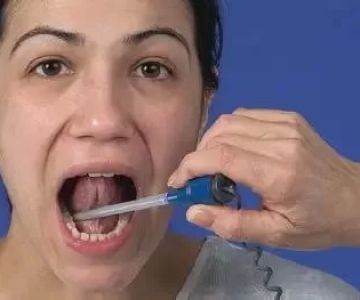
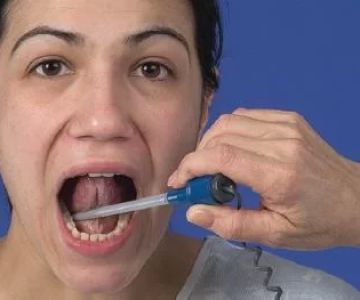
Placing the thermometer correctly under the tongue, typically on one side towards the back, ensures the sensor captures the core temperature more accurately.
4. Real-Life Example: A Family’s Experience With Oral Temperature Monitoring
During a recent flu season in Texas, a mother named Lisa was monitoring her child’s fever. Initially, she took quick oral temperature readings that fluctuated wildly, causing her worry. After consulting with a healthcare provider, Lisa learned to wait the full recommended 45 seconds with the digital thermometer and ensure her child had not just eaten or drank anything cold. This simple change gave her reliable temperature data to track the illness properly, demonstrating how timing and technique impact results.
5. Tips for Getting Consistent and Accurate Oral Temperature Readings
To maximize accuracy when taking oral temperatures, consider these professional tips:
5.1 Prepare the Patient
Make sure the person has not consumed hot or cold foods, drinks, or smoked within the last 15 minutes.
5.2 Use a Proper Thermometer
Digital oral thermometers are preferred for safety, ease of use, and faster readings compared to older mercury models.
5.3 Maintain Proper Technique
Place the thermometer correctly under the tongue and ask the patient to keep their mouth closed until the reading is complete.
5.4 Clean the Thermometer After Use
Proper sanitation prevents cross-contamination and ensures accurate future readings.
6. When to Seek Professional Help
If temperature readings remain inconsistent or you notice symptoms worsening despite normal oral temperatures, it’s important to consult healthcare professionals. Online platforms like Dentistry Toothtruth offer trusted services and guidance to address health monitoring concerns effectively.
7. The Role of Oral Temperature Monitoring in Overall Health
Oral temperature measurement is a simple yet vital tool for detecting fever and monitoring illness progression. When done correctly, it helps individuals and caregivers make informed decisions about treatment and care. Understanding the right timing to check oral temperature contributes significantly to this process.
 Ana C Melnyk Dentistry: Melnyk Ana C DDS4.0 (25 review)
 Dental Associates4.0 (258 review)
 Farrow Orthodontics - City Center5.0 (458 review)
 Central Park Dental4.0 (519 review)
 Ideal Dental Gallatin4.0 (362 review)
 Southside Community Health Services4.0 (186 review)
 The Importance of Oral Health Education During Pregnancy for a Healthy Pregnancy
 Best Tips for Brushing Your Teeth Properly for Healthy Gums: Essential Techniques for Oral Health
 Why Skipping Dental Checkups Can Lead to Bigger Oral Health Problems
 Advantages of Porcelain Dental Restorations
 How Can Diabetes Cause Tooth and Gum Problems? Preventing and Managing Oral Health Issues
 Healthy Habits for Promoting Good Oral Health and Hygiene: Tips for a Healthy Smile