
How Long Does Sleep Apnea Treatment Take to Show Results?
- Understanding Sleep Apnea
- Treatment Options for Sleep Apnea
- How Long Does Sleep Apnea Treatment Take to Work?
- Factors Affecting Sleep Apnea Treatment Results
- Tips for Faster Recovery and Improved Results
1. Understanding Sleep Apnea
Sleep apnea is a common sleep disorder that causes breathing interruptions during sleep. These disruptions can last for several seconds or even minutes, leading to poor sleep quality and a host of related health issues. The most common type of sleep apnea is obstructive sleep apnea (OSA), which occurs when the muscles in the throat relax excessively and block the airway. Another type is central sleep apnea, which is caused by a failure of the brain to send the proper signals to the muscles that control breathing.
2. Treatment Options for Sleep Apnea
There are several effective treatment options available for individuals suffering from sleep apnea. Some of the most common include:
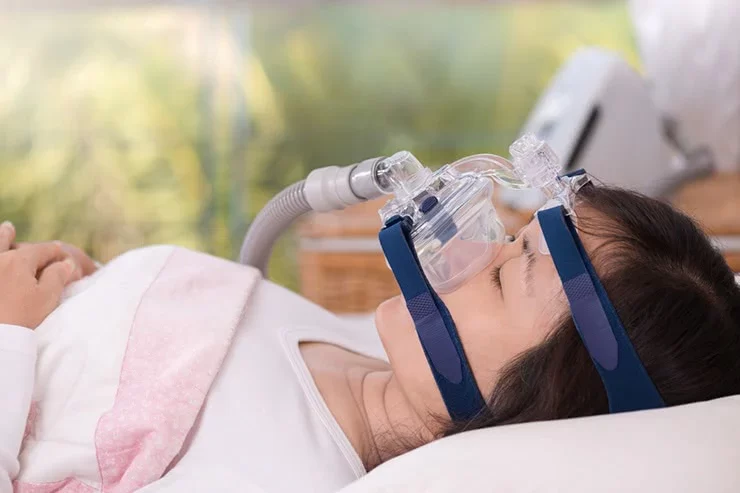
- CPAP Therapy (Continuous Positive Airway Pressure): This is one of the most popular and effective treatments for sleep apnea. A CPAP machine uses a hose connected to a CPAP mask or nosepiece to deliver continuous air pressure, keeping the airway open during sleep.
- BiPAP (Bilevel Positive Airway Pressure): Similar to CPAP, BiPAP provides varying levels of air pressure for inhalation and exhalation. This option is typically recommended for those who find CPAP uncomfortable.
- Oral Appliances: These are custom-made devices that reposition the jaw and tongue to keep the airway open. They're particularly effective for mild to moderate cases of sleep apnea.
- Surgery: In extreme cases, surgery may be required to remove excess tissue from the throat or to correct abnormalities that contribute to sleep apnea.
3. How Long Does Sleep Apnea Treatment Take to Work?
The time it takes to notice results from sleep apnea treatment varies depending on the severity of the condition, the treatment method, and the individual’s response. Here's a breakdown of what you can expect from different treatment options:
- CPAP Therapy: Most people begin to notice improvements in sleep quality within the first few days or weeks of using a CPAP machine. However, it may take up to 3-4 weeks for the full benefits to be felt. Many patients report feeling less tired during the day, having fewer interruptions during sleep, and experiencing improved mood and concentration.
- Oral Appliances: Similar to CPAP, improvements with oral appliances can be felt within a few days to weeks. However, it may take a few adjustments to ensure the device is comfortable and effective. Most patients experience relief from snoring and mild to moderate sleep apnea symptoms after consistent use.
- Surgery: The results of surgery can take longer to materialize, often several weeks or even months. The recovery period is typically longer, and it may take time to fully assess the success of the procedure in improving sleep apnea symptoms.
4. Factors Affecting Sleep Apnea Treatment Results
Several factors can influence how quickly and effectively a treatment works for sleep apnea. These include:
- Severity of Sleep Apnea: Individuals with mild sleep apnea may notice improvements more quickly than those with severe cases.
- Consistency of Treatment: The more consistently a treatment is used, the quicker the results will show. For instance, using a CPAP machine every night as prescribed can help speed up the recovery process.
- Underlying Health Conditions: Conditions like obesity, heart disease, and diabetes can complicate the effectiveness of treatment. In such cases, addressing these health issues may also be necessary for optimal results.
- Personal Factors: Some individuals may simply take longer to adjust to a treatment or may need additional interventions, such as therapy or lifestyle changes.
5. Tips for Faster Recovery and Improved Results
While each individual’s response to treatment may vary, there are several things you can do to help accelerate your recovery from sleep apnea:
- Adopt a Healthy Lifestyle: Maintaining a healthy weight, exercising regularly, and avoiding alcohol or sedatives can improve the effectiveness of sleep apnea treatments.
- Stick to a Routine: Consistency is key. Stick to the prescribed treatment schedule and avoid skipping nights with your CPAP machine or oral appliance.
- Work Closely with Your Doctor: Regular follow-ups with your doctor will ensure your treatment plan is effective. They may recommend adjustments or alternative treatments if your current one isn't yielding the expected results.
If you're struggling with sleep apnea, don’t wait to get help. Consult with a professional and consider treatments that are designed to fit your lifestyle and health needs. For more information on sleep apnea treatments and products, visit Dentistry Toothtruth for expert advice and personalized solutions.

 La Verne Dental Group4.0 (220 review)
 Crown Point Dental Care4.0 (453 review)
 South Corona Dental Group4.0 (287 review)
 Lakeview Dental Care of Cherry Hill4.0 (931 review)
 Universal Dentistry4.0 (144 review)
 House of Braces: Yon H. Lai, DDS, PC3.0 (181 review)
 The Importance of Oral Health Education During Pregnancy for a Healthy Pregnancy
 Best Tips for Brushing Your Teeth Properly for Healthy Gums: Essential Techniques for Oral Health
 Why Skipping Dental Checkups Can Lead to Bigger Oral Health Problems
 Advantages of Porcelain Dental Restorations
 How Can Diabetes Cause Tooth and Gum Problems? Preventing and Managing Oral Health Issues
 Healthy Habits for Promoting Good Oral Health and Hygiene: Tips for a Healthy Smile