
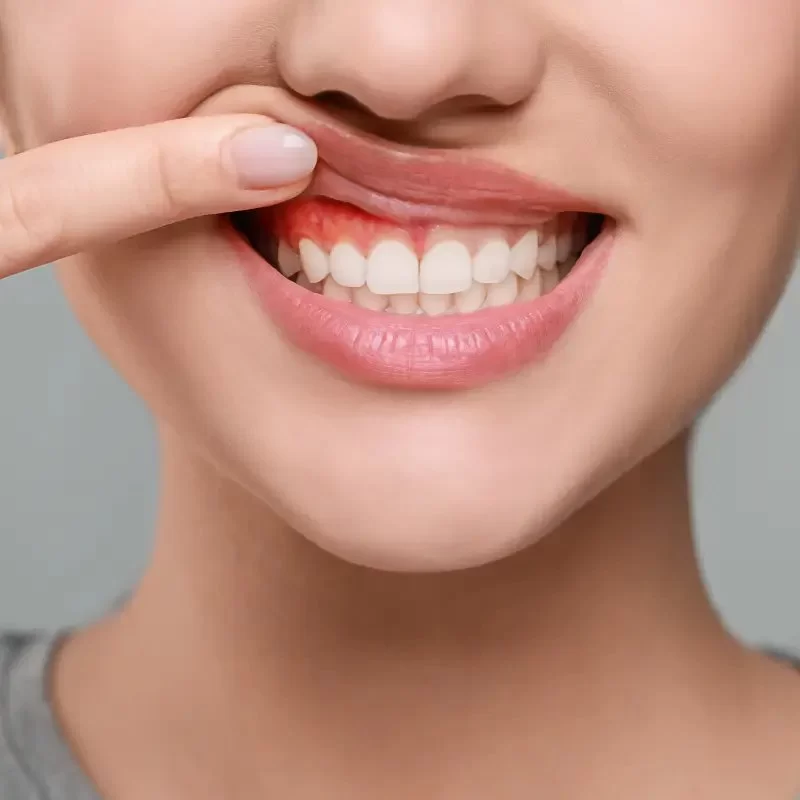
1. Why Oral Hygiene Matters More Than You Think
When people ask how important is your oral hygiene, the simple answer is: it affects your life far beyond just a bright smile. Poor oral hygiene has been linked to heart disease, diabetes, and even complications during pregnancy. Bacteria from gum infections can enter your bloodstream, triggering inflammation throughout the body. That’s why brushing and flossing daily is about far more than avoiding cavities—it’s a vital part of staying healthy.
Take the story of Lisa, a mother from Colorado. She ignored a small gum ache for months—until her dentist diagnosed advanced periodontal disease. Treatment required deep cleaning, antibiotics, and lifestyle changes. The scare prompted her to change her family’s routine: morning and evening brushing, daily flossing, and twice-yearly dental checkups. Since then, all of them have avoided further issues.
2. The Daily Trio: Brushing, Flossing, and Rinsing
2.1 Brushing: Not Just a Routine, but a Ritual
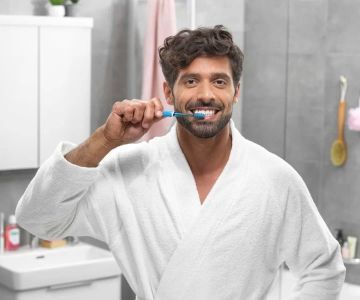
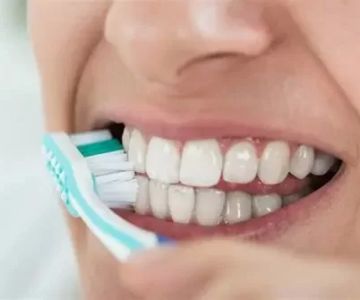
Brushing twice daily with fluoride toothpaste removes plaque and prevents tooth decay. Key tactics include using a soft-bristled brush, angling it at 45 degrees toward the gum line, and brushing for two minutes. Many people rush through this step—studies show 40% of Americans brush for less than one minute.
2.2 Flossing: The Unsung Hero
Flossing reaches areas between teeth and under gums, where toothbrushes can’t. According to the CDC, about one third of U.S. adults never floss. That neglect allows plaque buildup, leading to cavities and gingivitis. Dentists recommend flossing at least once a day, gently following each tooth’s curve.
2.3 Mouthwash: The Finishing Touch
An alcohol-free antimicrobial rinse offers added protection by reducing harmful bacteria and freshening your breath. While not a replacement for brushing or flossing, rinsing daily enhances overall oral hygiene, reaching pockets the brush may miss.
3. Habits That Boost Oral Health
3.1 Limit Sugary and Acidic Foods
Sugary drinks and acidic snacks fuel the bacteria that eat away tooth enamel. Even healthy-seeming options like flavored yogurts or sports drinks can be culprits. Dietitians often recommend water, raw fruits, cheese, or nuts as safer snack alternatives.
3.2 Stay Hydrated and Chew Sugar-Free Gum
Saliva naturally washes away food particles and neutralizes acid. Chewing sugar-free gum after meals stimulates saliva and reduces the risk of decay. In a study at Harvard, participants who chewed gum had 30% fewer cavities over three years.
3.3 Don’t Smoke or Use Tobacco
Tobacco use increases the risk of gum disease, tooth loss, and oral cancer. Even smokeless forms damage gums and promote harmful bacteria growth. Quitting tobacco improves oral health dramatically—gum tissue can begin healing in just weeks.
4. Professional Care: More Than Just Cleanings
4.1 Regular Exams Catch Serious Issues Early
Visiting the dentist twice a year allows for early detection of cavities, gum problems, and oral cancer. Early intervention often means simpler, less costly treatments. A case at a Texas dental clinic found that patients with annual cleanings spent 40% less on dental bills over five years.
4.2 Deep Cleanings and Periodontal Therapy
If gingivitis progresses to periodontitis, dentists may recommend scaling and root planing—deep cleaning below the gum line. This treatment halts bone loss and restores healthy gums. Maintenance visits afterward are vital for long-term healing.
5. Real-Life Stories: Oral Health and Well-Being
5.1 From Pain to Empowerment
James, a software engineer from Oregon, avoided the dentist due to cost fears. Eventually he faced severe tooth pain and lost work days. Choosing a dental school clinic for care saved money, and since then he’s invested in a quality electric toothbrush and annual visits. His chronic pain is gone, and he's healthier overall.
5.2 Pregnancy and Periodontal Health
Research links gum disease in pregnant women to preterm birth and low birth weight. Emily, a first-time mom in Florida, started monthly cleanings and professional gum evaluations to protect her baby’s health. She believes that maintaining strict oral hygiene helped her full-term delivery and strong postpartum recovery.
6. High-Tech Tools for Modern Oral Care
6.1 Electric Toothbrushes with Pressure Sensors
Electric toothbrushes offer consistent pressure and timed brushing cycles. Many models detect excessive pressure, preventing gum damage. A 2020 study in the Journal of Dental Research found electric brushes cut plaque by 21% more than manual brushes.
6.2 Water Flossers for Sensitive Gums
Water flossers like Waterpik deliver a gentle stream of water between teeth and gums. Clinical trials suggest they reduce plaque and gum bleeding as effectively as floss, making them ideal for people with braces or arthritis.
7. Getting Started: Creating an Effective Oral Care Routine
Start with these easy steps:
- Brush twice daily for two minutes with fluoride toothpaste.
- Floss once daily, gently sweeping between each tooth.
- Rinse with alcohol-free mouthwash.
- Visit your dentist every six months for exams and cleanings.
- Limit sugary snacks, stay hydrated, and avoid tobacco.
These steps are simple, yet powerful in preventing cavities, gum disease, and systemic illness.
8. Maintaining Motivation and Staying Consistent
8.1 Set Reminders and Track Progress
Use phone alarms or habit apps to remind you to brush, floss, and schedule cleanings. Seeing streaks or checkmarks can be motivating. Some people take progress selfies to monitor gum health—which red, swollen gums often shrink after consistent care.
8.2 Involve the Whole Family
Turning oral care into a family activity encourages consistency. Children learn lifelong habits, and adults model healthy behavior. Dentists recommend brushing together, flossing in teams, and praising kids for good habits.
9. When to See a Specialist
If your gums bleed persistently, or you experience pain, sensitivity, or persistent bad breath, see a periodontist or endodontist. These specialists treat deep infections, root issues, and receding gums beyond general care’s scope. Early referral prevents small problems from becoming serious.
Oral hygiene isn’t optional—it’s the foundation of health, confidence, and well-being. By learning how important is your oral hygiene and taking steps to prioritize it, you’re investing in a brighter smile and stronger future. For personalized tools, products, and expert advice on oral care, visit Dentistry Toothtruth to find services tailored to your needs—whether you're starting fresh or enhancing existing habits.

 Worthington Pediatric Dentists3.0 (162 review)
 SoCO Smiles Orthodontics4.0 (187 review)
 Cash Family Orthodontics4.0 (141 review)
 Midway Dental Center4.0 (16 review)
 Kalil Dental Group4.0 (44 review)
 Dr. Candace Culpepper Light4.0 (11 review)
 The Importance of Oral Health Education During Pregnancy for a Healthy Pregnancy
 Best Tips for Brushing Your Teeth Properly for Healthy Gums: Essential Techniques for Oral Health
 Why Skipping Dental Checkups Can Lead to Bigger Oral Health Problems
 Advantages of Porcelain Dental Restorations
 How Can Diabetes Cause Tooth and Gum Problems? Preventing and Managing Oral Health Issues
 Healthy Habits for Promoting Good Oral Health and Hygiene: Tips for a Healthy Smile