
The Overlooked Link Between Oral Health and Heart Disease
Many people see dental care as separate from overall health, but research shows a strong connection between oral health and cardiovascular disease. Poor oral hygiene can do more than cause cavities or bad breath—it may actually raise the risk of heart problems. In the United States, where heart disease remains a leading cause of death, understanding this link can be a life-saving step toward prevention.
How Gum Disease Influences the Heart
The primary way poor oral health impacts the heart is through gum disease, or periodontal disease. When bacteria from plaque build up along the gumline, the gums become inflamed. Over time, this inflammation can break down gum tissue and enter the bloodstream. Once in circulation, harmful bacteria and inflammatory markers can contribute to the development of atherosclerosis, a condition where plaque builds up inside arteries, narrowing them and increasing the risk of heart attack or stroke.
1. The Role of Inflammation
Inflammation is a common factor in both gum disease and heart disease. Chronic inflammation in the mouth doesn’t just stay there—it triggers systemic inflammation throughout the body. This ongoing inflammatory response can damage blood vessel walls, making them more susceptible to cholesterol deposits and clot formation.
2. Bacteria and Bloodstream Contamination
Oral bacteria like Porphyromonas gingivalis have been found in arterial plaque. This suggests that bacteria originating in the mouth can travel and directly influence cardiovascular health. The presence of these bacteria in the heart's blood vessels supports the theory that untreated oral infections contribute to heart problems.
Scientific Evidence and Case Studies
Several studies have shown that people with moderate to severe gum disease have a higher risk of developing heart disease than those with healthy gums. For example, a research project published by the American Heart Association reported that regular dental cleanings were associated with a lower risk of heart attack. In another real-life case, a middle-aged man from Florida ignored worsening gum inflammation for years. After experiencing chest pain, doctors found severe arterial blockages and identified ongoing gum disease as a significant contributing factor.
Recognizing Early Warning Signs
1. Oral Symptoms
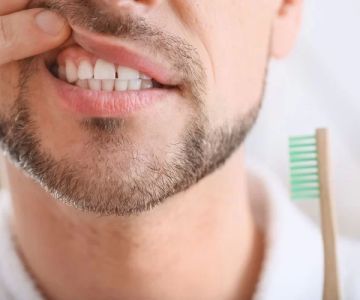
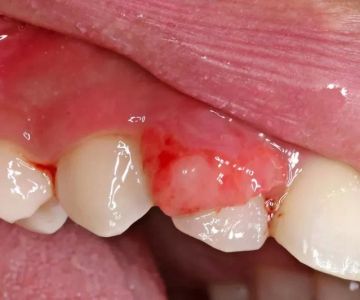
Red, swollen, or bleeding gums, persistent bad breath, and loose teeth are all signs of periodontal problems. These issues should never be ignored, as they might be early warnings not just for dental trouble but for systemic health risks.
2. Systemic Clues
Individuals with unexplained fatigue, recurring infections, or inflammatory markers in blood tests might be dealing with more than one health issue. Dentists and physicians working together can identify patterns that point to the mouth-heart connection.
Prevention and Healthy Habits
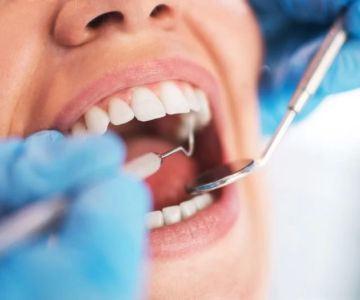
Preventing gum disease is not just about keeping your smile attractive—it’s a critical step for protecting your heart. Brushing twice daily, flossing, and using antimicrobial mouth rinses help reduce harmful bacteria. Regular professional dental checkups and cleanings also remove plaque and tartar that can’t be reached by home care alone.
Partnering with Professionals
Those with existing heart disease or risk factors should be especially vigilant about oral health. Cardiologists often encourage their patients to maintain strong dental habits to reduce additional strain on the heart. For guidance on professional care and tailored oral hygiene plans, you can explore 【Family Dentistry Online】 for trusted recommendations.
Living with a Heart-Healthy Smile
Your mouth can serve as a mirror to your overall health. By recognizing and addressing oral problems early, you may lower your risk of developing serious cardiovascular issues. Healthy gums and a healthy heart truly go hand in hand.


 The Implant Center at Comprehensive Dental4.0 (421 review)
 Modern Dentistry Of Peoria4.0 (563 review)
 Advanced Family Dental & Orthodontics4.0 (216 review)
 Todays Dental Of Joliet (formerly Hammes Family Dental)4.0 (130 review)
 Kevin B. Sands, DDS5.0 (168 review)
 Kids Dental Land4.0 (602 review)
 The Importance of Oral Health Education During Pregnancy for a Healthy Pregnancy
 Best Tips for Brushing Your Teeth Properly for Healthy Gums: Essential Techniques for Oral Health
 Why Skipping Dental Checkups Can Lead to Bigger Oral Health Problems
 Advantages of Porcelain Dental Restorations
 How Can Diabetes Cause Tooth and Gum Problems? Preventing and Managing Oral Health Issues
 Healthy Habits for Promoting Good Oral Health and Hygiene: Tips for a Healthy Smile