
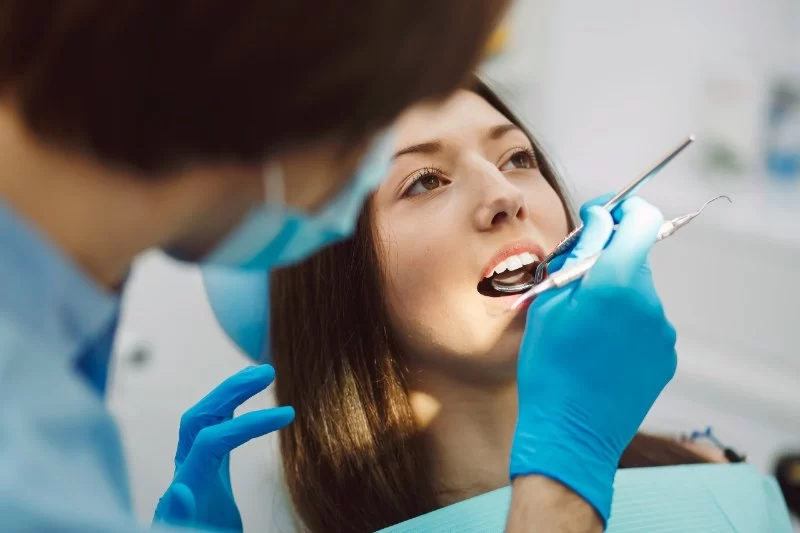
The Role of the Mouth in Overall Health
The mouth is often described as the gateway to the body. When oral health is neglected, harmful bacteria grow unchecked, leading to infections that don’t remain limited to the teeth and gums. This can allow pathogens to enter the bloodstream, triggering inflammation that impacts organs far beyond the mouth. Understanding how oral conditions cause systemic diseases is key to preventing both dental and medical complications.
How Bacteria Travel from the Mouth to the Body
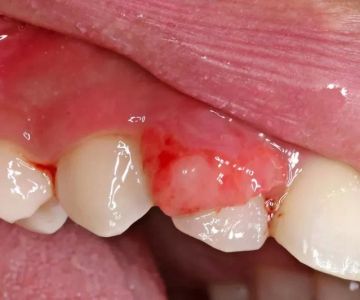
Poor oral hygiene allows plaque to accumulate, eventually leading to gum inflammation known as gingivitis. If untreated, gingivitis develops into periodontitis, a severe gum infection that damages the tissue supporting the teeth. The small ulcers that form along infected gums provide an entry point for bacteria into the bloodstream. Once in circulation, these bacteria cause systemic inflammation and are linked to conditions such as heart disease, stroke, and even complications with pregnancy. Maintaining oral hygiene helps block this dangerous pathway.
Heart Disease and Oral Infections
One of the strongest links between oral health and systemic disease is with cardiovascular conditions. Studies have found that patients with periodontal disease are more likely to suffer heart attacks and strokes. This happens because oral bacteria can attach to blood vessels, contributing to plaque buildup and narrowing arteries. A well-known case in Chicago involved a man in his forties who ignored gum bleeding until chest pain forced him into the hospital, where doctors discovered both advanced gum disease and artery blockages. His story highlights how neglecting oral health can directly threaten life.
Diabetes and Oral Health Complications
The relationship between diabetes and oral disease works both ways. Gum infections increase inflammation, making blood sugar levels harder to control, while uncontrolled diabetes weakens the body’s ability to fight infection. Patients often find themselves in a cycle of worsening gum disease and worsening diabetes. Medical professionals stress that controlling oral hygiene is just as important as monitoring diet and insulin for managing diabetes effectively.
Respiratory Illness Linked to Oral Hygiene
Another way oral health causes disease is through the lungs. Bacteria from infected gums and decayed teeth can be aspirated into the respiratory system. This can trigger pneumonia and worsen chronic obstructive pulmonary disease (COPD). Elderly patients, especially those in assisted living, are most at risk. One nursing facility in Florida noted that implementing strict dental cleaning routines significantly reduced cases of pneumonia among residents. This real-world evidence proves the importance of mouth care in preventing respiratory illnesses.
Pregnancy Risks Associated with Oral Problems
Pregnant women with untreated gum disease face higher risks of premature birth and low birth weight babies. Inflammation from oral infections can interfere with the body’s ability to sustain pregnancy. Dentists often recommend more frequent checkups for expectant mothers to protect both their health and their baby’s development. These proactive steps highlight how oral health care goes hand in hand with prenatal care.
The Importance of Preventive Dental Care
While the risks may sound alarming, the good news is that oral-related diseases are largely preventable. Simple daily actions like brushing, flossing, and regular dental visits can dramatically reduce the chance of bacteria spreading from the mouth to the body. For families in the United States seeking expert dental advice and tailored care plans, Family Dentistry Online provides valuable support to ensure that oral hygiene contributes to a healthier, longer life.



 Smiles On Bridgetown5.0 (87 review)
 Weimar Family & Implant Dentistry4.0 (778 review)
 Summit Pediatric Dentistry4.0 (145 review)
 Dr. Kwon Pediatric Dentistry Sedation Center4.0 (133 review)
 Wang Hugh N DDS0.0 (0 review)
 Fry Orthodontic Specialists4.0 (71 review)
 The Importance of Oral Health Education During Pregnancy for a Healthy Pregnancy
 Best Tips for Brushing Your Teeth Properly for Healthy Gums: Essential Techniques for Oral Health
 Why Skipping Dental Checkups Can Lead to Bigger Oral Health Problems
 Advantages of Porcelain Dental Restorations
 How Can Diabetes Cause Tooth and Gum Problems? Preventing and Managing Oral Health Issues
 Healthy Habits for Promoting Good Oral Health and Hygiene: Tips for a Healthy Smile