
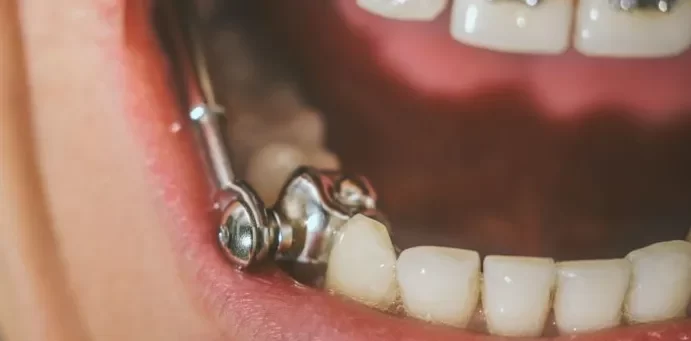
How Dental Appliances Help Fix Bite Misalignments: Essential Solutions for Better Oral Health
- 1. Understanding Bite Misalignment and Its Causes
- 2. Types of Dental Appliances for Fixing Bite Misalignments
- 3. How Dental Appliances Help Correct Bite Misalignments
- 4. Real-Life Examples of How Dental Appliances Improve Bite
- 5. How to Choose the Right Dental Appliance for Your Needs
1. Understanding Bite Misalignment and Its Causes
Bite misalignment, also known as malocclusion, refers to the incorrect positioning of the teeth when the jaws are closed. This condition can lead to discomfort, difficulty chewing, and even jaw pain. The causes of bite misalignments vary, including genetics, thumb-sucking during childhood, early loss of baby teeth, or jaw injuries. Understanding the causes of malocclusion is essential in addressing the issue with the proper dental appliances.
Real-life example: Emma, a 29-year-old woman, found herself experiencing frequent headaches and jaw pain. After visiting her dentist, she discovered that her bite misalignment was the root cause. With the help of a dental appliance, she was able to correct her bite and find relief from her symptoms.
2. Types of Dental Appliances for Fixing Bite Misalignments
Dental appliances are designed to correct bite misalignments by repositioning the teeth and jaws. There are several types of appliances available, depending on the severity of the misalignment and the patient's needs:
1. Braces
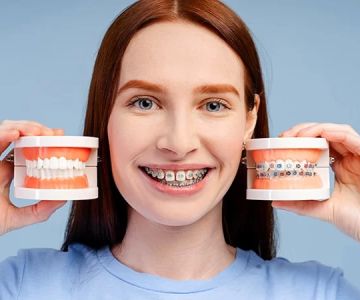
Traditional braces are one of the most commonly used appliances for correcting bite misalignments. They consist of brackets, wires, and rubber bands that work together to gradually move the teeth into the correct position.
2. Clear Aligners
For those who prefer a more discreet option, clear aligners, such as Invisalign, are an excellent choice. These transparent trays are custom-made to fit the teeth and are worn for a specified period to gradually shift the teeth into alignment.
3. Retainers
After undergoing treatment with braces or clear aligners, retainers are often used to help maintain the new bite alignment. Retainers prevent the teeth from shifting back to their original position and ensure long-lasting results.
4. Palatal Expanders
For patients with a narrow upper jaw, palatal expanders are used to widen the palate and create more space for the teeth to align properly.
3. How Dental Appliances Help Correct Bite Misalignments
Dental appliances work by applying gentle, continuous pressure to the teeth and jaw, which gradually shifts them into a more natural and functional position. This process may take several months to a few years, depending on the complexity of the misalignment.
1. Realignment of Teeth
Braces and clear aligners apply pressure on the teeth, moving them into better alignment over time. This helps improve the overall bite and enhances the function of the teeth, especially when chewing and speaking.
2. Jaw Adjustment
In some cases, dental appliances like jaw expanders or retainers may help adjust the alignment of the jaw itself. These devices can reposition the jaw to eliminate any discomfort or pain caused by misalignment, providing better symmetry and balance for the face.
4. Real-Life Examples of How Dental Appliances Improve Bite
Many people have benefited from using dental appliances to fix their bite misalignments. Here are a few real-life experiences:
1. Jason's Success with Clear Aligners
Jason, a 34-year-old man, struggled with an overbite for years. He decided to try clear aligners after learning about their discreet nature. Within a year, his teeth were significantly straighter, and his bite was properly aligned, leading to improved comfort and self-confidence.
2. Lily's Experience with Traditional Braces
Lily, a 16-year-old teenager, had a severe crossbite that made chewing difficult. After getting traditional braces, her bite improved, and she no longer experienced discomfort while eating. “Braces were challenging at first, but the results were worth it. I feel more confident about my smile,” she says.
5. How to Choose the Right Dental Appliance for Your Needs
Choosing the right dental appliance for fixing your bite misalignment depends on several factors, including the severity of the misalignment, your age, and your preference for aesthetics. Here are a few steps to help you make an informed decision:
- Consult a Dentist or Orthodontist: Your dentist or orthodontist will assess your bite and recommend the most suitable appliance for your needs.
- Consider Your Aesthetic Preferences: If you prefer a less visible option, clear aligners might be the best choice. For more severe misalignments, traditional braces may be necessary.
- Evaluate Your Budget: Some appliances, such as clear aligners, may be more expensive than traditional braces. Make sure to consider the cost and any available payment plans.
- Follow the Treatment Plan: Whatever appliance you choose, it’s essential to follow the prescribed treatment plan to ensure the best results.
Example: Mike, a busy professional, opted for clear aligners due to their discreet nature and convenience. He appreciated the flexibility of being able to remove the aligners for important meetings, and he was pleased with the results after six months of treatment.

 Peter E. Ciampi, DDS5.0 (168 review)
 Perfect Teeth Dental & Orthodontics - Olive4.0 (384 review)
 MADE Dental Implant Center5.0 (29 review)
 DeTolla Dental5.0 (4 review)
 Uchida Clyde Y DDS3.0 (9 review)
 Ahoyt Family Dental4.0 (619 review)
 The Importance of Oral Health Education During Pregnancy for a Healthy Pregnancy
 Best Tips for Brushing Your Teeth Properly for Healthy Gums: Essential Techniques for Oral Health
 Why Skipping Dental Checkups Can Lead to Bigger Oral Health Problems
 Advantages of Porcelain Dental Restorations
 How Can Diabetes Cause Tooth and Gum Problems? Preventing and Managing Oral Health Issues
 Healthy Habits for Promoting Good Oral Health and Hygiene: Tips for a Healthy Smile