Family Dentistry Online
Dental BlogDental ClinicServicesTooth ProblemsOral Health Basics
All Dental ClinicsAlabamaArizonaArkansasCaliforniaColoradoConnecticutDelawareFloridaGeorgiaHawaiiIdahoIllinoisIndianaIowaKansasKentuckyLouisianaMaineMarylandMassachusettsMichiganMinnesotaMississippiMissouriMontanaNebraskaNevadaNew HampshireNew JerseyNew MexicoNew YorkNorth CarolinaNorth DakotaOhioOklahomaOregonPennsylvaniaRhode IslandSouth CarolinaSouth DakotaTennesseeTexasUtahVermontVirginiaWashingtonWest VirginiaWisconsinWyoming
Preventive CareRestorative DentistryOrthodonticsPeriodonticsOral SurgeryCosmetic DentistryPediatric DentistryEmergency DentistrySleep Apnea TreatmentOral Health Education
Tooth DiseasesGum ProblemsMouth Ulcers & InfectionsTeeth Whitening & RestorationMalocclusion & Orthodontic IssuesDry Mouth SyndromeChildren's & Senior Oral Health
Oral HygieneCommon Oral DiseasesDiet and Oral HealthRegular Check-ups and Professional CareOral Health and Overall HealthHealthy Oral HabitsChildren's and Senior Oral Health
Family Dentistry OnlineOral Health BasicsHealthy Oral Habits

Healthy Habits for Managing Plaque and Tartar Buildup

Healthy Habits for Managing Plaque and Tartar Buildup

Introduction

Plaque and tartar buildup are common dental concerns that many people face. While they can be a major cause of gum disease, tooth decay, and bad breath, with the right habits, you can manage and even prevent their development. This article will discuss the best healthy habits for managing plaque and tartar, offering practical advice to help you maintain a healthy smile and good oral hygiene.

What Are Plaque and Tartar?

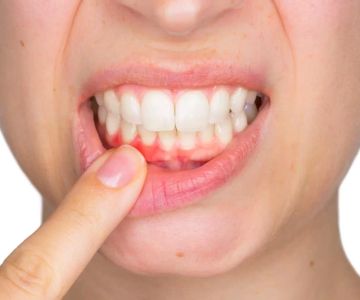
Before we dive into the best habits for managing plaque and tartar, it’s important to understand what they are and how they develop.Plaque: Plaque is a sticky, colorless film of bacteria that constantly forms on your teeth. When you eat, especially sugary foods, the bacteria in plaque produce acids that can attack tooth enamel and lead to cavities. Plaque can be removed with regular brushing and flossing.Tartar: If plaque is not removed within 24 to 48 hours, it hardens and becomes tartar, which is much more difficult to remove. Tartar can only be eliminated by a dentist or dental hygienist, often through a process called scaling.

Healthy Habits to Prevent Plaque and Tartar

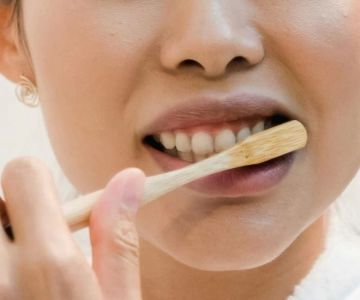
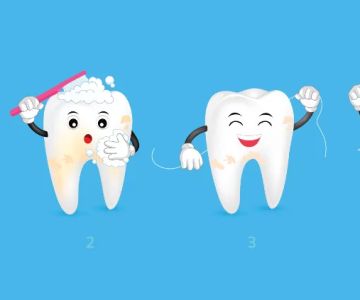
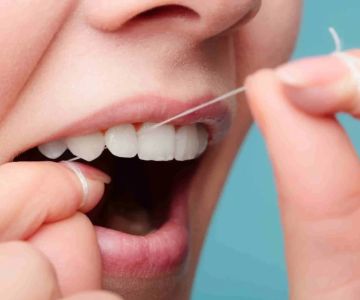
To keep plaque and tartar at bay, here are some key habits that can significantly reduce their buildup:Brushing Your Teeth Properly: Brushing your teeth twice a day for at least two minutes is one of the most effective ways to prevent plaque from accumulating. Use a fluoride toothpaste and a soft-bristled toothbrush to gently clean all surfaces of your teeth. Make sure to brush your tongue as well, as bacteria can accumulate there.Flossing Daily: Flossing is crucial to remove food particles and plaque from between your teeth and along the gumline, areas that your toothbrush can’t reach. Daily flossing helps prevent the formation of tartar in these hard-to-reach spaces.Using Mouthwash: An antibacterial mouthwash can help reduce plaque buildup and keep your breath fresh. Look for a mouthwash that fights both plaque and gingivitis to ensure you’re addressing the root causes of plaque buildup.Dietary Considerations: Eating a balanced diet and avoiding excessive sugar can help reduce plaque buildup. Sugary and starchy foods contribute to plaque formation, so try to eat more fresh fruits and vegetables and drink plenty of water to help wash away food particles.Regular Dental Checkups: Even with the best home care routine, it’s essential to visit your dentist regularly for professional cleanings and checkups. Dentists can remove tartar that you can’t get rid of at home, and they can spot early signs of dental problems that might be caused by plaque or tartar buildup.

The Impact of Regular Dental Care

Consistent dental care plays a significant role in preventing plaque and tartar from building up. One of the main benefits is the early detection of dental issues. For example, if plaque is left untreated and turns into tartar, it can lead to gum disease, tooth decay, and other oral health problems.In addition to professional cleanings, regular checkups give your dentist the opportunity to provide personalized advice and address any concerns about your oral hygiene habits. The peace of mind you gain from knowing your dentist is monitoring your oral health can help you avoid more serious dental issues down the road.

Real-Life Case Study: Managing Plaque Effectively

Consider the case of Emily, a 32-year-old woman who struggled with plaque buildup for years. She often experienced bleeding gums, bad breath, and frequent cavities despite brushing and flossing regularly. After her dentist recommended a more structured oral care routine, Emily made some adjustments.She began brushing with a fluoride toothpaste, flossing daily, and using a mouthwash designed to fight plaque. She also made dietary changes, reducing sugary snacks and drinking more water. After a few months, Emily noticed a significant improvement in her oral health. Her gums stopped bleeding, her breath improved, and her dentist noted a reduction in plaque buildup during her checkup.Emily’s story is a testament to how simple changes in daily habits can lead to healthier teeth and gums.

Conclusion

Managing plaque and tartar buildup requires consistency and attention to your oral hygiene habits. By brushing and flossing regularly, using mouthwash, eating a healthy diet, and scheduling regular dental checkups, you can keep plaque and tartar under control and prevent more serious dental issues.Remember, healthy habits are the key to maintaining a healthy smile. If you’re struggling with plaque buildup or tartar, consider speaking with your dentist for personalized advice and care. With the right approach, you can enjoy a brighter, healthier smile for years to come.

Trending Blog Articles

Popular Dental Blog Posts

Categories

Popular Dental Clinics

Top Dental Blog Posts

Most Searched Dental Clinics

Hot Blog Topics