
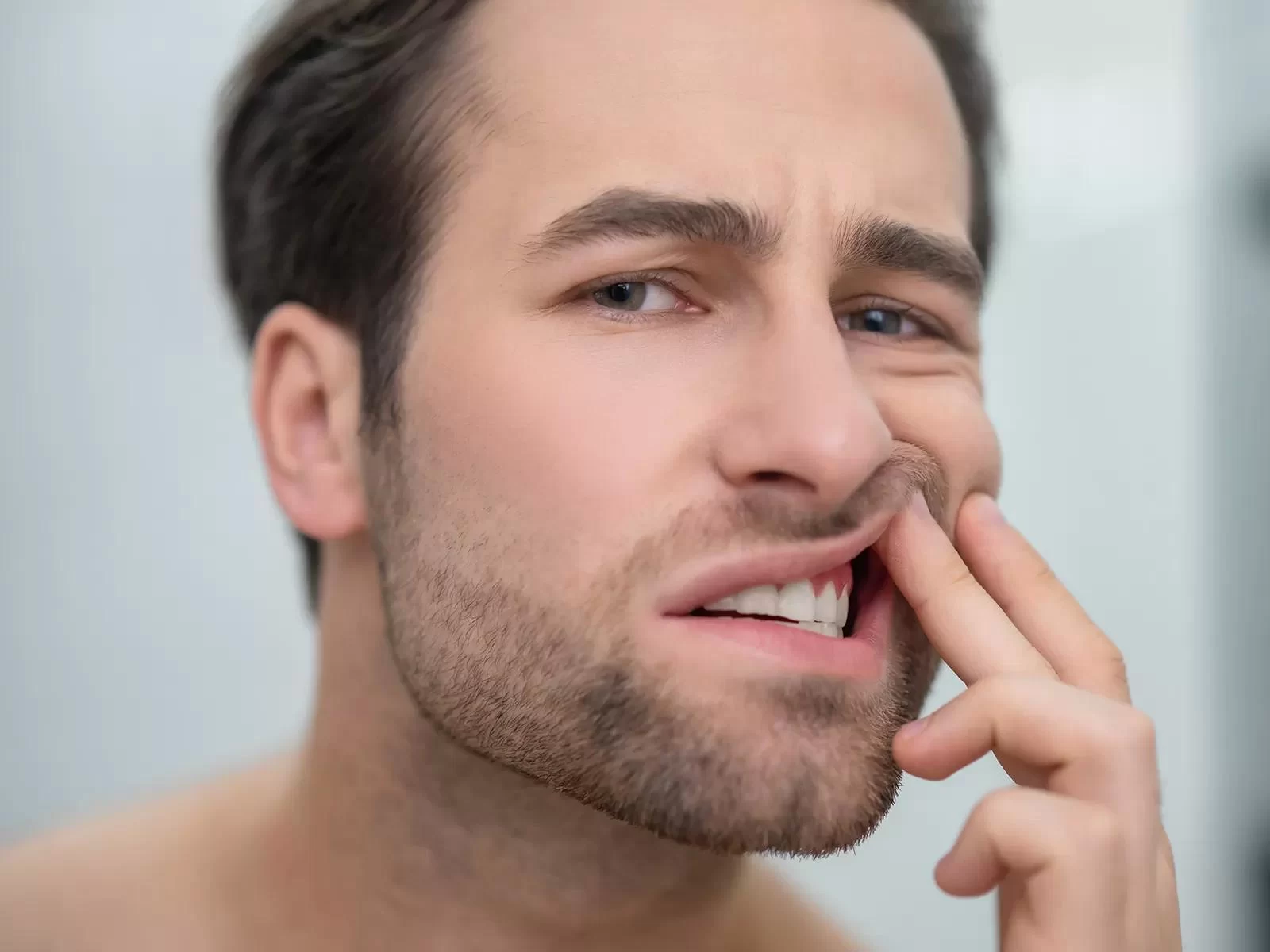
Why Do Gums Recede and How to Prevent It: Expert Tips for Healthy Gums
- 1. Understanding Gum Recession
- 2. Causes of Gum Recession
- 3. Symptoms of Receding Gums
- 4. How to Prevent Gum Recession
- 5. Professional Dental Care for Gum Health
- 6. Maintaining Healthy Gums for Life
1. Understanding Gum Recession
Gum recession occurs when the gum tissue surrounding your teeth pulls back, exposing more of the tooth or even the tooth's root. This can lead to sensitivity, discomfort, and even tooth loss if left untreated. It's crucial to understand what causes gum recession and how to prevent it in order to protect your overall oral health.
2. Causes of Gum Recession
Several factors can contribute to gum recession, including:
- Poor oral hygiene: Not brushing and flossing regularly can lead to plaque buildup, which irritates the gums and causes them to recede over time.
- Genetics: Some people are genetically predisposed to thin or weak gums, making them more prone to recession.
- Age: As we age, our gums naturally recede, though poor oral care can accelerate the process.
- Periodontal disease: Gum disease is one of the most common causes of gum recession, often due to untreated bacterial infections.
- Brushing too hard: Aggressive brushing can wear down the gum tissue, causing it to pull back.
- Tobacco use: Smoking or using other tobacco products can increase the risk of gum disease and recession.
Understanding these causes is key to preventing gum recession and maintaining healthy gums.
3. Symptoms of Receding Gums
Receding gums may not always be noticeable at first, but there are several signs to look out for:
- Tooth sensitivity: You may experience increased sensitivity to hot, cold, or sweet foods and drinks.
- Visible tooth roots: As the gums recede, more of the tooth or its roots may become exposed.
- Longer-looking teeth: Your teeth may appear longer than before as the gum tissue pulls back.
- Bleeding gums: Gums may bleed easily, especially during brushing or flossing.
If you notice any of these symptoms, it’s important to see a dentist right away to prevent further damage.
4. How to Prevent Gum Recession
Preventing gum recession requires proactive care. Here are some steps you can take:
- Maintain good oral hygiene: Brush your teeth twice a day with a soft-bristled toothbrush and floss daily to remove plaque and prevent gum disease.
- Use the right brushing technique: Avoid brushing too hard. Use gentle, circular motions to clean your teeth and gums.
- Visit the dentist regularly: Regular dental checkups can help identify early signs of gum recession or disease, and your dentist can provide professional cleanings.
- Quit smoking: Smoking weakens your immune system and increases the risk of gum disease. Quitting will significantly improve your gum health.
- Eat a balanced diet: Eating nutrient-rich foods can help support gum health. Ensure your diet is rich in vitamins and minerals, especially vitamin C, which promotes healthy gums.
By following these simple steps, you can significantly reduce the risk of gum recession and keep your gums healthy for years to come.
5. Professional Dental Care for Gum Health
If gum recession progresses to a more serious stage, professional dental treatments may be necessary. Treatments such as deep cleanings (scaling and root planing), gum grafts, or laser therapy can help restore gum health and prevent further recession. Your dentist can recommend the best treatment based on the severity of your condition.
6. Maintaining Healthy Gums for Life
Gum health is a lifelong commitment. In addition to regular brushing, flossing, and dental checkups, it’s important to manage overall health. Conditions like diabetes and heart disease can impact your gums, so managing these health conditions will also benefit your oral hygiene. Additionally, reducing stress and avoiding excessive alcohol consumption can contribute to better gum health.
If you're looking to learn more about how to protect your gums from recession and maintain overall dental health, visit Dentistry Toothtruth for expert advice and guidance.






 Jeffrey J. Emmi, DMD5.0 (3 review)
 Garrity Square Dental4.0 (6 review)
 SimpliSmiles Farmingdale4.0 (386 review)
 Great Expressions Dental Centers - New City4.0 (362 review)
 Shandley Kane Dental5.0 (319 review)
 Canyon Crest Dental4.0 (1293 review)
 The Importance of Oral Health Education During Pregnancy for a Healthy Pregnancy
 Best Tips for Brushing Your Teeth Properly for Healthy Gums: Essential Techniques for Oral Health
 Why Skipping Dental Checkups Can Lead to Bigger Oral Health Problems
 Advantages of Porcelain Dental Restorations
 How Can Diabetes Cause Tooth and Gum Problems? Preventing and Managing Oral Health Issues
 Healthy Habits for Promoting Good Oral Health and Hygiene: Tips for a Healthy Smile