
Gum Disease Treatment: Effective Ways to Treat and Prevent Gum Disease
- 1. Understanding Gum Disease
- 2. Common Causes of Gum Disease
- 3. Effective Gum Disease Treatment Options
- 4. Preventing Gum Disease: Key Tips
- 5. When to Seek Professional Dental Care
1. Understanding Gum Disease
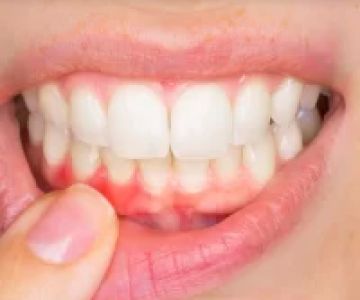
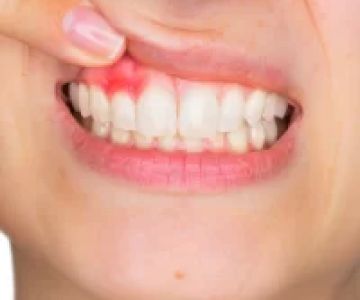
Gum disease, also known as periodontal disease, is a common dental condition that affects the tissues surrounding your teeth. It starts with gum inflammation (gingivitis) and can progress to more severe stages, potentially leading to tooth loss. Understanding gum disease is the first step toward effective treatment and prevention.
Gum disease is primarily caused by poor oral hygiene, leading to plaque buildup. If not removed, plaque can harden into tartar, which irritates the gums and leads to infection.
2. Common Causes of Gum Disease
Several factors can contribute to the development of gum disease, including:
- Poor oral hygiene – Inconsistent brushing and flossing allow plaque and tartar to build up.
- Smoking or chewing tobacco – These habits significantly increase the risk of gum disease.
- Genetics – Some individuals are more genetically predisposed to gum disease.
- Hormonal changes – Pregnancy, menopause, and puberty can make gums more vulnerable to infection.
- Medical conditions – Conditions like diabetes or certain medications can affect your gum health.
By identifying the underlying causes, you can better prevent or manage gum disease before it progresses.
3. Effective Gum Disease Treatment Options
Once gum disease has been diagnosed, several treatment options are available, depending on the severity:
- Scaling and root planing – This non-surgical procedure involves cleaning the plaque and tartar from below the gum line.
- Antibiotic treatments – Oral or topical antibiotics may be prescribed to reduce infection and promote healing.
- Surgical options – In more advanced cases, surgical procedures like flap surgery or bone grafts may be necessary to restore gum health.
Working closely with a dentist or periodontist is essential to choose the best treatment option based on your needs.
4. Preventing Gum Disease: Key Tips
Prevention is key when it comes to gum disease. Here are some simple yet effective ways to keep your gums healthy:
- Brush regularly – Brush your teeth at least twice a day using fluoride toothpaste to remove plaque.
- Floss daily – Flossing helps remove food particles and plaque from between teeth where a toothbrush can't reach.
- Use mouthwash – An antibacterial mouthwash can help reduce plaque buildup and prevent gum infection.
- Quit smoking – Smoking is one of the leading causes of gum disease. Quitting can significantly improve your gum health.
- Regular dental check-ups – Visit your dentist for routine cleanings and exams to catch gum disease early.
By adopting these practices, you can significantly reduce your risk of developing gum disease and maintain good oral health.
5. When to Seek Professional Dental Care
If you notice any signs of gum disease, such as persistent bad breath, bleeding gums, or gum recession, it's crucial to see a dentist. Early intervention can help prevent more severe complications and ensure that treatment is effective.
In some cases, your dentist may refer you to a periodontist, a specialist in gum health, for further treatment. Don't wait until the condition worsens—taking action early is the best way to protect your teeth and gums.
If you're looking for more information on gum disease treatment and prevention, visit Dentistry Toothtruth for expert advice and solutions. Our comprehensive resources can guide you through every step of maintaining healthy gums and a beautiful smile.




 Lakeview Dental PC4.0 (29 review)
 Omaha Orthodontics5.0 (724 review)
 Dental RI: Dr. Michael Gallucci and Dr. Dawn Gallucci - Dentist in Cranston5.0 (74 review)
 Long Lake Family Dentistry5.0 (247 review)
 Kurtis R. Finley DDS (Palo Alto Endodontic Group)5.0 (5 review)
 Kenton Johnson, DDS5.0 (5 review)
 The Importance of Oral Health Education During Pregnancy for a Healthy Pregnancy
 Best Tips for Brushing Your Teeth Properly for Healthy Gums: Essential Techniques for Oral Health
 Why Skipping Dental Checkups Can Lead to Bigger Oral Health Problems
 Advantages of Porcelain Dental Restorations
 How Can Diabetes Cause Tooth and Gum Problems? Preventing and Managing Oral Health Issues
 Healthy Habits for Promoting Good Oral Health and Hygiene: Tips for a Healthy Smile