
Gum Care After Dental Procedures: How to Ensure Proper Healing
- 1. The Importance of Gum Care After Dental Procedures
- 2. Common Post-Procedure Gum Care Tips
- 3. Avoiding Complications After Dental Treatments
- 4. When to Seek Dental Help
1. The Importance of Gum Care After Dental Procedures
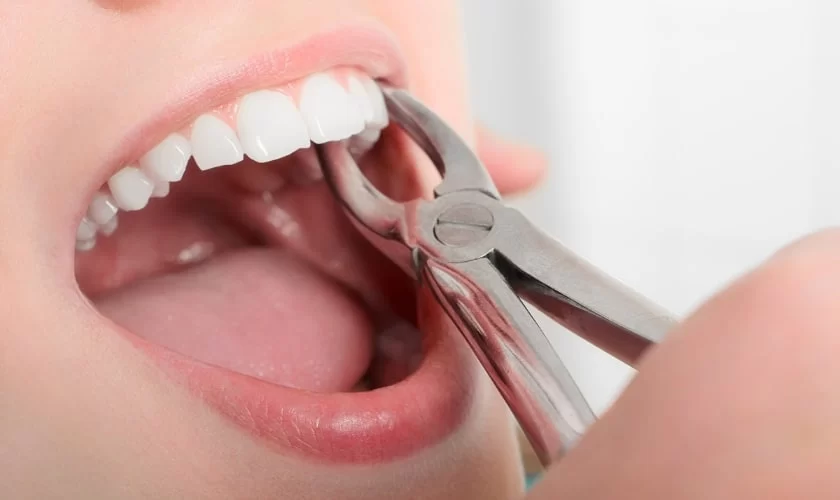
After dental procedures, proper gum care is crucial to ensure proper healing and prevent infections or other complications. Whether you've had a routine cleaning, a filling, a root canal, or even more complex surgery like a tooth extraction or gum graft, how you take care of your gums afterward can significantly impact your recovery process.
For example, studies show that patients who follow post-procedure care instructions are less likely to experience complications like infection or prolonged discomfort. Proper gum care helps to prevent inflammation, speeds up the healing process, and reduces the risk of needing follow-up treatments. So, maintaining the health of your gums after dental work isn't just about avoiding pain—it’s about ensuring long-term oral health.
2. Common Post-Procedure Gum Care Tips
After dental procedures, your dentist or hygienist will provide specific instructions, but there are some general guidelines you should follow to ensure proper healing of your gums:
1. Maintain a Gentle Brushing Routine
After any dental procedure, it's important to keep brushing your teeth gently. Use a soft-bristled toothbrush to avoid irritating the gums. Brushing too hard can aggravate the treated area, causing further discomfort or even slowing down the healing process.
2. Rinse with Saltwater
Rinsing with a warm saltwater solution is an excellent way to reduce swelling and prevent infection. It’s a simple yet effective remedy that many dentists recommend. Use about a teaspoon of salt in a cup of warm water and rinse gently for about 30 seconds, two to three times a day.
3. Avoid Hot and Cold Foods
For the first few days after dental procedures, try to avoid hot or cold foods and drinks. Your gums may be sensitive or swollen, and extreme temperatures can increase discomfort or irritate the treated areas. Stick to room temperature or lukewarm foods for optimal comfort.
4. Use an Antibacterial Mouthwash
Using an antibacterial mouthwash can help control bacteria and prevent infection in the affected areas. Make sure to choose one without alcohol to avoid further irritation of sensitive gums. Swish gently to help cleanse the mouth while promoting gum health.
3. Avoiding Complications After Dental Treatments
Taking the right steps after dental procedures can help you avoid common complications such as infection, dry socket, or prolonged pain. Here are a few additional tips to help you recover without setbacks:
1. Don’t Smoke
Smoking after a dental procedure can significantly increase your risk of complications like infection and delayed healing. It’s best to avoid smoking for at least a week after the procedure, or ideally, quit smoking altogether for better oral health.
2. Be Careful When Eating
Avoid chewing hard foods or foods that could get stuck in your gums or teeth. Soft, easy-to-chew foods like soups, mashed potatoes, and yogurt are ideal in the days following dental treatments. Avoid biting into anything too chewy or tough, as it could irritate the surgical site.
3. Take Medications as Directed
If your dentist prescribes pain relievers or antibiotics, make sure to take them exactly as directed. This will help manage any discomfort and prevent infections. Never stop taking antibiotics prematurely, even if you start to feel better.
4. When to Seek Dental Help
While most dental procedures heal on their own with the proper care, there are times when you may need to seek additional help from your dentist. If you notice any of the following signs, it's time to call your dentist:
1. Excessive Swelling or Bleeding
While some swelling and bleeding are normal after certain procedures, excessive swelling or bleeding that lasts more than a couple of days may indicate a problem. If this occurs, contact your dentist immediately.
2. Severe Pain
If you experience severe pain that doesn’t improve with over-the-counter medications, or if the pain worsens after a few days, it could be a sign of an infection or another complication. In such cases, reaching out to your dentist for advice is crucial.
3. Signs of Infection
Look for signs of infection such as a bad taste in your mouth, persistent bad breath, or fever. These symptoms could indicate that an infection has set in, and you’ll need professional care to resolve it.
If you’re recovering from a recent dental procedure and want to ensure your gums heal properly, be sure to follow the guidelines above. For more tips and expert dental advice, visit [Dentistry Toothtruth](https://familydentistryonline.net). We offer expert recommendations on gum care after dental treatments to help you recover quickly and efficiently.






 Clove Dental Camarillo4.0 (225 review)
 Christopher Kragor, DMD5.0 (21 review)
 Dr. Susan E. Henrickson, DMD, FAGD0.0 (0 review)
 Smile Fixer RVA: Stacy Lukanuski DDS, D.B.A4.0 (249 review)
 Oral Surgery of Springfield3.0 (97 review)
 Shining Smiles Dentistry4.0 (433 review)
 The Importance of Oral Health Education During Pregnancy for a Healthy Pregnancy
 Best Tips for Brushing Your Teeth Properly for Healthy Gums: Essential Techniques for Oral Health
 Why Skipping Dental Checkups Can Lead to Bigger Oral Health Problems
 Advantages of Porcelain Dental Restorations
 How Can Diabetes Cause Tooth and Gum Problems? Preventing and Managing Oral Health Issues
 Healthy Habits for Promoting Good Oral Health and Hygiene: Tips for a Healthy Smile