
What is Gingival Recession and How to Fix It
- Understanding Gingival Recession
- Causes of Gingival Recession
- Symptoms of Gingival Recession
- Preventing Gingival Recession
- Treatments for Gingival Recession
- Surgical Options for Gingival Recession
- Real-Life Stories of Gingival Recession Treatment
- Professional Care and Advice
Understanding Gingival Recession
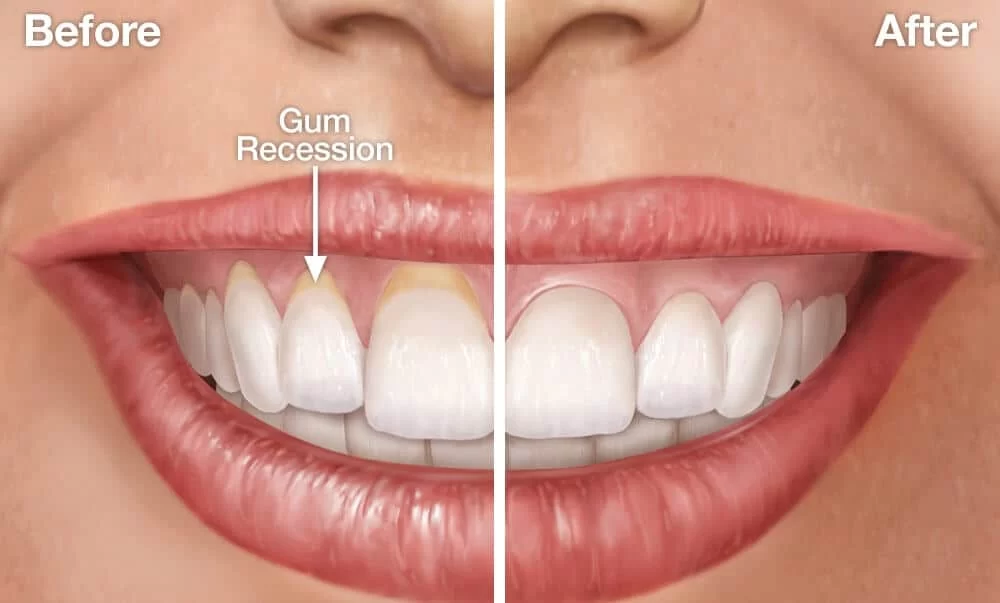
Gingival recession is a condition in which the gums pull back or recede from the teeth, exposing more of the tooth or its root. This can result in tooth sensitivity, increased risk of cavities, and an unattractive appearance. While gingival recession is common, especially as people age, it can also occur due to improper oral hygiene or other health conditions.
While gingival recession is a natural part of aging for many, understanding how it develops and the potential consequences can help prevent further damage and address the issue more effectively.
Causes of Gingival Recession
There are several factors that can contribute to gingival recession. Identifying the root cause is essential for effective treatment and prevention:
1. Poor Oral Hygiene
One of the most common causes of gingival recession is poor oral hygiene. Failing to remove plaque and tartar buildup can lead to gum disease, which in turn leads to gum recession.
2. Aggressive Brushing
Brushing your teeth too aggressively with a hard-bristled toothbrush can damage the gums and cause them to recede. It’s important to use a soft-bristled brush and gentle strokes.
3. Genetic Factors
Genetics play a significant role in whether or not you’ll develop gingival recession. If your parents experienced gum recession, you may be more likely to develop it as well.
4. Tobacco Use
Smoking and chewing tobacco can irritate the gums and reduce blood flow, increasing the risk of gum recession and other oral health issues.
5. Hormonal Changes
Changes in hormone levels, especially in women during pregnancy, menopause, or puberty, can make gums more sensitive and prone to recession.
6. Teeth Grinding
Excessive teeth grinding or jaw clenching can put pressure on the gums and lead to recession over time. This is often exacerbated by stress or sleep disorders.
Symptoms of Gingival Recession
There are several key symptoms that may indicate you have gingival recession:
1. Tooth Sensitivity
If your gums have receded, you may experience increased tooth sensitivity, especially to hot or cold temperatures. This is because more of the tooth surface or even the tooth root is exposed.
2. Visible Tooth Roots
One of the most noticeable signs of gum recession is the exposure of the tooth root, which may appear more yellow or darker than the crown of the tooth.
3. Longer-Looking Teeth
As the gums recede, the teeth may appear longer than they did before. This can be particularly noticeable around the molars and incisors.
4. Bleeding Gums
If your gums are inflamed due to gum recession, you may notice that they bleed more easily when you brush or floss.
Preventing Gingival Recession
Preventing gingival recession is key to maintaining long-term gum health. Here are some important steps you can take:
1. Practice Good Oral Hygiene
Brush your teeth at least twice a day with a soft-bristled toothbrush and use fluoride toothpaste. Don’t forget to floss daily to remove plaque buildup between your teeth.
2. Avoid Aggressive Brushing
Brushing too hard can damage the gums, so be gentle and use circular motions instead of back-and-forth scrubbing.
3. Quit Smoking
Smoking is a major risk factor for gum recession, so quitting can help protect your gums and teeth.
4. Manage Teeth Grinding
If you grind your teeth, consider using a night guard to reduce pressure on your gums and teeth. Talk to your dentist about other treatments if needed.
Treatments for Gingival Recession
If you already have gingival recession, there are several treatment options available to help restore your gum health and prevent further damage:
1. Scaling and Root Planing
For mild to moderate gum recession, scaling and root planing can remove plaque and tartar from below the gumline and smooth out rough areas on the tooth roots to promote gum healing.
2. Gum Grafting
If the recession is more severe, a gum graft may be necessary. This involves taking tissue from another part of your mouth or using a donor graft to cover exposed tooth roots and restore gum tissue.
3. Pinhole Surgical Technique
This less invasive technique involves making a small hole in the gum and using special tools to reposition the gum tissue over the exposed tooth roots. It offers quicker recovery times and minimal discomfort.
Surgical Options for Gingival Recession
For severe gingival recession, surgical intervention may be necessary to restore gum tissue and prevent further complications:
1. Connective Tissue Grafts
In this procedure, tissue is taken from the roof of your mouth and grafted onto the affected gum area. This can help to cover the exposed tooth roots and restore gum health.
2. Free Gingival Grafts
This technique involves taking tissue directly from the roof of the mouth and attaching it to the gum recession area. It's most often used to thicken the gums in areas with insufficient tissue.
Real-Life Stories of Gingival Recession Treatment
Consider Sarah's story: after years of brushing too aggressively, she noticed her gums were receding. After a consultation with her dentist, she underwent scaling and root planing. With proper care, Sarah has been able to prevent further recession, and her gums are in much better shape.
Similarly, Mike had been suffering from gum recession for years, but his condition worsened over time. After discussing surgical options with his dentist, he decided to undergo a connective tissue graft. The procedure successfully restored his gum line, and Mike is now able to maintain better oral hygiene with less discomfort.
Professional Care and Advice
If you're struggling with gingival recession, it’s crucial to seek professional care. At Dentistry Toothtruth, our team of experts can provide a tailored treatment plan to restore your gum health. Whether you're looking for a non-surgical option or need more advanced procedures, we’re here to help you achieve optimal oral health.






 Sage Dental of Downtown Orlando4.0 (541 review)
 Omega Dental Care4.0 (74 review)
 Kevin B. Sands, DDS5.0 (168 review)
 Kevin Walker DDS and Mae Lee Springer DDS5.0 (125 review)
 Burton J Stein DMD4.0 (16 review)
 Molen Orthodontics4.0 (420 review)
 The Importance of Oral Health Education During Pregnancy for a Healthy Pregnancy
 Best Tips for Brushing Your Teeth Properly for Healthy Gums: Essential Techniques for Oral Health
 Why Skipping Dental Checkups Can Lead to Bigger Oral Health Problems
 Advantages of Porcelain Dental Restorations
 How Can Diabetes Cause Tooth and Gum Problems? Preventing and Managing Oral Health Issues
 Healthy Habits for Promoting Good Oral Health and Hygiene: Tips for a Healthy Smile