
Emergency Dental Treatments: What You Need to Know and How to Handle Dental Emergencies
- 1. Common Dental Emergencies and How to Handle Them
- 2. When to Seek Emergency Dental Care
- 3. Preventing Dental Emergencies: Tips for Long-Term Oral Health
- 4. How to Find an Emergency Dentist
- 5. Emergency Dental Treatments: What to Expect
1. Common Dental Emergencies and How to Handle Them
Dental emergencies can strike at any time, often when you least expect them. Some of the most common dental emergencies include:
- Toothache: This is one of the most frequent emergencies. If you experience a severe toothache, try rinsing your mouth with warm water and use a cold compress on the outside of your cheek. Avoid placing heat or aspirin directly on the painful tooth.
- Broken or Cracked Tooth: If you break or crack a tooth, try to collect any broken pieces and rinse your mouth with warm water. Apply a cold compress to reduce swelling and head to the dentist as soon as possible.
- Knocked-out Tooth: If a tooth is knocked out, carefully retrieve it, rinse it gently (without scrubbing), and place it back into the socket if possible. If you can't reinsert it, keep the tooth in milk and visit an emergency dentist immediately.
2. When to Seek Emergency Dental Care
Knowing when to seek emergency dental care can make all the difference in preventing further damage. Here are some signs that you need immediate attention:
- Excessive Bleeding: If bleeding doesn't stop after 10 minutes of applying pressure, you may need urgent care.
- Severe Pain: Intense, unrelenting pain that doesn’t improve with over-the-counter painkillers is a clear sign that professional care is needed.
- Swelling or Abscess: If you notice swelling around your gums or face, especially if it's painful or contains pus, it could be an infection requiring immediate treatment.
If you're ever unsure, it's better to seek care sooner rather than later to prevent complications.
3. Preventing Dental Emergencies: Tips for Long-Term Oral Health
While you can't predict every dental emergency, there are steps you can take to reduce the likelihood of needing emergency care:
- Wear a Mouthguard: For kids and adults involved in sports, a properly fitted mouthguard can protect against tooth damage.
- Good Oral Hygiene: Brushing, flossing, and regular dental check-ups are essential for preventing decay and infections that could lead to emergencies.
- Avoid Hard Foods: Avoid chewing on ice, hard candies, or other tough foods that could crack your teeth.
By maintaining good dental hygiene and being mindful of habits that can lead to injury, you’ll reduce the chances of a dental emergency occurring.
4. How to Find an Emergency Dentist
When a dental emergency happens, it’s important to know where to go for care. Here’s how you can quickly find an emergency dentist:
- Check with Your Regular Dentist: Many general dentists offer after-hours emergency services or have a list of trusted emergency dentists.
- Search Online: Use search engines or dental-specific websites to locate an emergency dentist near you. Make sure to read reviews or ask for referrals to ensure you're choosing a reliable professional.
- Contact Your Insurance Provider: Some insurance companies offer lists of emergency dental care providers that are covered under your plan.
Act quickly, as the sooner you get treatment, the better the outcome for your dental health.
5. Emergency Dental Treatments: What to Expect
If you require emergency dental care, the treatment you receive will depend on the severity of the problem. Some common treatments include:
- Tooth Extraction: In some cases, a tooth may be too damaged to save and will need to be extracted.
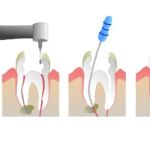
- Root Canal Therapy: If the tooth pulp is infected or damaged, a root canal may be necessary to save the tooth and prevent further complications.
- Dental Bonding or Crowns: For cracked or broken teeth, your dentist may use bonding material or place a crown to restore the tooth's function and appearance.
In all cases, emergency dental care is aimed at alleviating pain, preventing further damage, and ensuring the best possible outcome for your oral health.
By understanding emergency dental treatments and knowing when to seek care, you can ensure that your dental health is well taken care of, even in urgent situations. For more tips on handling dental emergencies, or if you need help finding an emergency dentist, visit our website, Dentistry Toothtruth, where we offer expert advice and trusted dental services.






 Camp Smile Pediatric Dentistry & Orthodontics4.0 (554 review)
 Coastal Family Dental5.0 (379 review)
 Yonkers Dental Implants Center4.0 (63 review)
 Mundelein Dental Center3.0 (8 review)
 Conway & Sardina4.0 (66 review)
 SoCO Smiles Orthodontics4.0 (187 review)
 The Importance of Oral Health Education During Pregnancy for a Healthy Pregnancy
 Best Tips for Brushing Your Teeth Properly for Healthy Gums: Essential Techniques for Oral Health
 Why Skipping Dental Checkups Can Lead to Bigger Oral Health Problems
 Advantages of Porcelain Dental Restorations
 How Can Diabetes Cause Tooth and Gum Problems? Preventing and Managing Oral Health Issues
 Healthy Habits for Promoting Good Oral Health and Hygiene: Tips for a Healthy Smile