
Effective Treatment for Oral Infections: Remedies, Prevention, and Professional Care
- Understanding Oral Infections
- Common Causes of Oral Infections
- Symptoms and Signs of Oral Infections
- Treatment Options for Oral Infections
- Home Remedies for Oral Infections
- Prevention and Dental Care
- When to See a Dentist for Oral Infections
1. Understanding Oral Infections
Oral infections refer to any infection that occurs in the mouth, affecting the teeth, gums, or other soft tissues. They can range from mild cases, such as canker sores, to more severe conditions like tooth abscesses. Oral infections can be caused by bacteria, fungi, or viruses and, if left untreated, can lead to more serious health complications.
2. Common Causes of Oral Infections
There are several common causes of oral infections, including poor oral hygiene, untreated dental issues, and weakened immune systems. Bacteria are often the primary culprits behind oral infections, with common bacterial culprits like Streptococcus mutans leading to conditions such as tooth decay and gum disease.
Other factors that can contribute to oral infections include smoking, diabetes, stress, and poor diet. Additionally, dental procedures, such as extractions or root canals, can create an environment where infections may develop.
3. Symptoms and Signs of Oral Infections
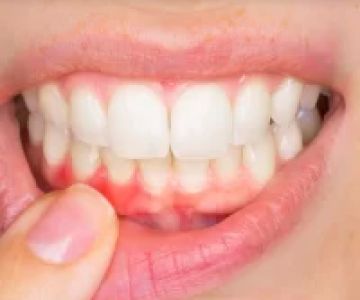
Symptoms of an oral infection can vary depending on the type and severity of the infection. Common signs include:
- Pain in the gums, teeth, or mouth
- Swelling in the affected area
- Redness and inflammation of the gums
- Bad breath or an unpleasant taste in the mouth
- Fever and general discomfort in more severe cases
If left untreated, these infections can worsen and may cause tooth loss, bone damage, or even systemic infections that affect other parts of the body.
4. Treatment Options for Oral Infections
The treatment for oral infections depends on the cause and severity of the infection. Some options include:
- Antibiotics: For bacterial infections, a dentist may prescribe oral antibiotics to help eliminate the bacteria.
- Antifungal Medications: Fungal infections, such as thrush, require antifungal treatments.
- Pain Relief: Over-the-counter pain relievers, like ibuprofen or acetaminophen, can alleviate discomfort.
- Drainage: For abscesses, a dentist may perform a procedure to drain the infection and relieve pressure.
- Root Canals: In severe cases, a dentist may need to perform a root canal to treat an infected tooth.
5. Home Remedies for Oral Infections
In addition to professional treatments, some home remedies can help manage mild oral infections and alleviate symptoms. These remedies include:
- Saltwater Rinse: Rinsing with warm saltwater can help reduce inflammation and kill bacteria in the mouth.
- Hydrogen Peroxide Rinse: Diluted hydrogen peroxide can act as an antimicrobial agent, helping to cleanse the affected area.
- Clove Oil: Clove oil contains eugenol, which has natural analgesic properties to relieve pain.
- Honey: Honey has antimicrobial properties and can help soothe the infection site, particularly for sore gums.
While these remedies can offer temporary relief, it's important to consult a dentist if the infection persists or worsens.
6. Prevention and Dental Care
Prevention is the best approach to oral infections. Good oral hygiene practices, such as brushing at least twice a day, flossing daily, and visiting the dentist regularly, can help prevent infections. Additionally, maintaining a healthy diet, avoiding tobacco, and staying hydrated contribute to overall oral health.
For those with chronic conditions, such as diabetes, managing blood sugar levels is also crucial in preventing oral infections. Regular dental checkups can help detect and address early signs of infection before they become serious problems.
7. When to See a Dentist for Oral Infections
If you suspect an oral infection, it's essential to seek professional dental care, especially if you experience severe pain, swelling, fever, or pus. A dentist can accurately diagnose the infection and recommend the appropriate treatment to prevent complications and ensure a speedy recovery.
Delaying treatment for an oral infection can lead to more severe consequences, such as tooth loss, the spread of infection to other areas, or systemic infections affecting other organs. Early intervention is key to protecting your oral health.
To learn more about oral infection treatments, visit Dentistry Toothtruth for expert advice and solutions to maintain healthy teeth and gums.





 Flanders Pediatric Dentistry4.0 (210 review)
 Culver Marina Dental Group4.0 (256 review)
 Orlando Family Dentistry, LLC5.0 (16 review)
 Central Avenue Dental Care4.0 (282 review)
 Mansolillo Jeffrey B D.M.D5.0 (459 review)
 Nu Smile Aligner5.0 (1 review)
 The Importance of Oral Health Education During Pregnancy for a Healthy Pregnancy
 Best Tips for Brushing Your Teeth Properly for Healthy Gums: Essential Techniques for Oral Health
 Why Skipping Dental Checkups Can Lead to Bigger Oral Health Problems
 Advantages of Porcelain Dental Restorations
 How Can Diabetes Cause Tooth and Gum Problems? Preventing and Managing Oral Health Issues
 Healthy Habits for Promoting Good Oral Health and Hygiene: Tips for a Healthy Smile