
Effective Treatment for Bad Breath - Discover Remedies and Solutions
- Understanding the Causes of Bad Breath
- Common Remedies for Bad Breath
- Long-term Solutions for Fresh Breath
- When to See a Dentist for Bad Breath
Understanding the Causes of Bad Breath
Bad breath, also known as halitosis, is a common issue that can affect your confidence and daily life. It's important to understand the underlying causes of bad breath before seeking treatment. Some of the most common causes include:
1. Poor Oral Hygiene - If you don't brush and floss regularly, food particles can remain in your mouth, leading to the growth of bacteria that cause bad breath.
2. Dry Mouth - Saliva helps cleanse the mouth. When the mouth is dry, usually due to dehydration or certain medications, it can cause bad breath.
3. Food and Drink - Foods like garlic, onions, and spicy foods can leave a lingering smell in your mouth, contributing to bad breath.
4. Medical Conditions - Some conditions like gum disease, respiratory infections, or even diabetes can lead to persistent bad breath.
Common Remedies for Bad Breath
There are various ways to treat bad breath, ranging from simple lifestyle changes to more specialized treatments. Some common remedies include:
1. Brushing and Flossing - One of the most effective ways to eliminate bad breath is maintaining a good oral hygiene routine. Brush your teeth at least twice a day, and don’t forget to floss to remove food particles and plaque from between your teeth.
2. Mouthwash - Using a mouthwash that kills bacteria can help freshen your breath temporarily. Look for an alcohol-free mouthwash that helps reduce bad breath without drying your mouth.
3. Stay Hydrated - Drink plenty of water throughout the day to prevent dry mouth. Chewing sugar-free gum can also stimulate saliva production, helping to keep your mouth moist.
4. Change Your Diet - Avoid foods that contribute to bad breath, such as garlic, onions, and coffee. Eating fresh fruits and vegetables can help naturally freshen your breath.
Long-term Solutions for Fresh Breath
While temporary remedies can help, addressing the root cause of bad breath is key to achieving long-term freshness. Some solutions include:
1. Professional Dental Care - Regular visits to the dentist can help identify any dental issues that may be contributing to bad breath, such as gum disease or tooth decay. Professional cleaning can also remove tartar buildup that causes foul smells.
2. Treating Underlying Medical Conditions - If your bad breath is caused by an underlying medical condition, such as diabetes or sinus infections, addressing the condition can improve your breath. Consulting with a healthcare provider is crucial for proper diagnosis and treatment.
3. Breath-Freshening Products - Consider using breath-freshening products like mints, sprays, or lozenges. Look for products with antibacterial properties to help keep your mouth clean and fresh for longer periods.
When to See a Dentist for Bad Breath
While bad breath is often a minor issue, persistent or severe bad breath could be a sign of a more serious problem. If you've tried common remedies and your bad breath persists, it's time to see a dentist. Some indicators that you should seek professional help include:
1. Persistent Bad Breath - If your bad breath doesn’t go away despite regular brushing, flossing, and hydration, it could be a sign of an underlying issue.
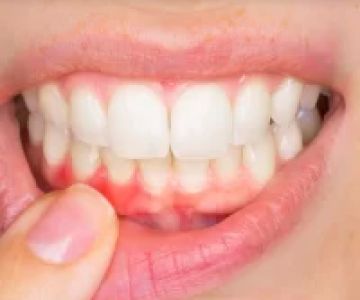
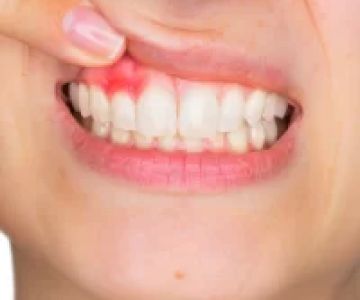
2. Gum Disease - If you notice symptoms like swollen or bleeding gums along with bad breath, you may have gum disease, which requires professional treatment.
3. Dry Mouth - Chronic dry mouth can lead to persistent bad breath. A dentist can help identify the cause and recommend appropriate treatments.
Bad breath doesn’t have to be a constant issue in your life. By understanding its causes and utilizing effective treatments, you can enjoy fresh breath again. If you’re struggling with persistent bad breath, consider reaching out to a dental professional at Dentistry Toothtruth for personalized advice and treatment options.


 Lafayette Hill Family Dentistry4.0 (5 review)
 Dr. Amy James & Associates Orthodontists4.0 (179 review)
 Equitas Health Short North Medical Center3.0 (96 review)
 Lindgren Dental Care4.0 (486 review)
 Community Health Center of Snohomish County - Everett-North Clinic4.0 (960 review)
 Think Better Life - Orofacial Pain, TMJ & Sleep Disorder Solutions Chicago4.0 (11 review)
 The Importance of Oral Health Education During Pregnancy for a Healthy Pregnancy
 Best Tips for Brushing Your Teeth Properly for Healthy Gums: Essential Techniques for Oral Health
 Why Skipping Dental Checkups Can Lead to Bigger Oral Health Problems
 Advantages of Porcelain Dental Restorations
 How Can Diabetes Cause Tooth and Gum Problems? Preventing and Managing Oral Health Issues
 Healthy Habits for Promoting Good Oral Health and Hygiene: Tips for a Healthy Smile