
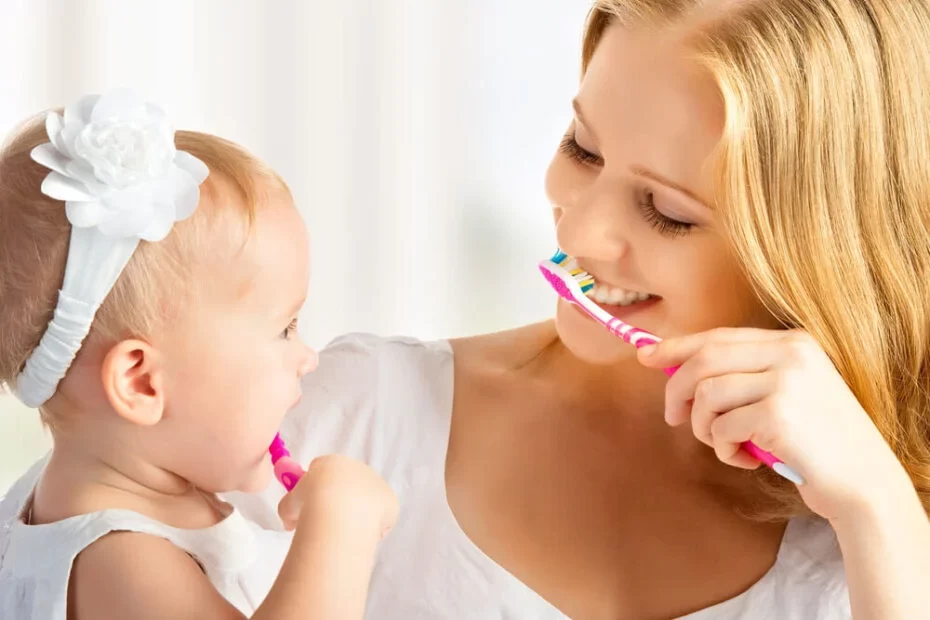
Early Childhood Oral Hygiene Education: Essential Tips for Healthy Smiles
- 1. Importance of Early Oral Hygiene Education
- 2. Starting Oral Care at an Early Age
- 3. Teaching Kids Proper Brushing Techniques
- 4. Dealing with Kids' Dental Anxiety
- 5. Creating Positive Oral Care Habits
1. Importance of Early Oral Hygiene Education
Early childhood oral hygiene education is vital for preventing dental problems as children grow older. Establishing good oral hygiene habits in the early years can prevent cavities, gum disease, and other oral health issues. Studies show that children who develop a strong dental care routine early in life are more likely to maintain good oral health throughout their lives. By teaching kids the importance of brushing, flossing, and regular dentist visits, parents can set a foundation for long-term dental well-being.
2. Starting Oral Care at an Early Age
Oral care should start even before a child’s first tooth emerges. Gently wiping your baby’s gums with a soft cloth after feedings can help maintain oral cleanliness. As soon as the first tooth appears, it’s important to start brushing with a small, soft-bristled toothbrush and a smear of fluoride toothpaste. Regularly cleaning your child’s mouth, even before teeth come in, can help set the stage for good habits and get them used to the idea of oral care.
3. Teaching Kids Proper Brushing Techniques
As your child grows, teaching them the proper brushing techniques is key. Here are some steps to follow:
- Model the Behavior: Children learn by watching, so demonstrate proper brushing techniques. Show them how to brush in small circles on all surfaces of their teeth.
- Encourage Independence: As your child gets older, let them take over the brushing while you supervise. This gives them the confidence to take responsibility for their dental care.
- Make it Fun: Use a fun, child-friendly toothbrush and toothpaste to make brushing more enjoyable. Some brushes even play music or light up to make brushing feel like a game.
4. Dealing with Kids' Dental Anxiety
Dental anxiety is common among young children, especially during their first visits to the dentist. To reduce anxiety, parents should:
- Start Early: Taking your child to the dentist regularly, starting at a young age, can help them become accustomed to the environment and the process.
- Use Positive Reinforcement: Praise your child after each successful brushing session or dentist visit. This positive reinforcement helps them associate dental care with rewards and good feelings.
- Stay Calm and Reassuring: If your child feels nervous, remain calm and reassuring. Children often mirror their parents’ emotions, so your confidence can help ease their anxiety.
5. Creating Positive Oral Care Habits
Creating positive oral care habits involves consistency, routine, and setting a good example. Establish a regular oral care routine, such as brushing twice a day, flossing, and visiting the dentist regularly. Make oral care a family activity to foster a sense of responsibility and teamwork. Remember that creating a positive association with dental hygiene can make it easier for children to maintain these habits throughout their lives. You can even incorporate rewards, such as stickers or a fun oral hygiene chart, to keep them motivated.






 Nordberg Family Dentistry4.0 (22 review)
 Community Health Center of Snohomish County - Everett-North Clinic4.0 (960 review)
 Elegant Smiles of Sea Girt4.0 (130 review)
 West Covina FAMILY DENTISTRY4.0 (45 review)
 Premier Dental4.0 (33 review)
 Commonwealth Pediatric Dentistry5.0 (33 review)
 The Importance of Oral Health Education During Pregnancy for a Healthy Pregnancy
 Best Tips for Brushing Your Teeth Properly for Healthy Gums: Essential Techniques for Oral Health
 Why Skipping Dental Checkups Can Lead to Bigger Oral Health Problems
 Advantages of Porcelain Dental Restorations
 How Can Diabetes Cause Tooth and Gum Problems? Preventing and Managing Oral Health Issues
 Healthy Habits for Promoting Good Oral Health and Hygiene: Tips for a Healthy Smile