

Understanding the Connection Between Oral Hygiene and Heart Disease
Heart disease remains one of the leading causes of death in the United States, and its risk factors are often linked to lifestyle choices like diet, exercise, and smoking. However, an often-overlooked contributor to heart problems is poor oral hygiene. Many people do not realize that the health of their mouth can have a profound effect on their cardiovascular system. This article dives into the scientific and medical research surrounding the connection between bad oral hygiene and heart disease, revealing why caring for your teeth and gums is essential not just for your smile but for your heart as well.
1. How Poor Oral Hygiene Affects Overall Health
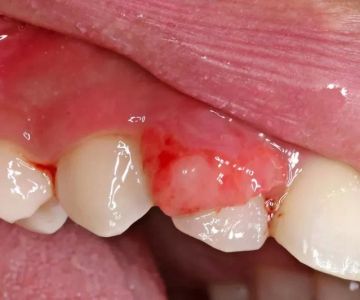
When oral hygiene is neglected, harmful bacteria build up in the mouth, particularly around the gums, causing inflammation and gum diseases like gingivitis and periodontitis. These bacteria and inflammatory markers do not just stay localized; they can enter the bloodstream through tiny sores in the gums caused by brushing or chewing. Once in the blood, these bacteria can travel to other parts of the body, including the heart.
Several studies have shown that chronic gum disease is associated with an increased risk of developing heart disease. The inflammation caused by periodontal infections contributes to the formation of arterial plaque, a sticky substance that narrows blood vessels and can lead to heart attacks or strokes. This systemic inflammatory response creates a dangerous cycle that can exacerbate cardiovascular problems.
2. Scientific Evidence Supporting the Link
In 2019, researchers at the American Heart Association highlighted numerous studies indicating that people with periodontitis have a significantly higher risk of coronary artery disease. A landmark study following thousands of patients over a decade found that those with untreated gum disease were 25% more likely to suffer from heart attacks compared to those with healthy gums.
The bacteria Porphyromonas gingivalis, commonly found in infected gums, has been discovered in arterial plaques, indicating a direct bacterial contribution to heart disease development. This finding confirms that oral pathogens can infiltrate the bloodstream and play a role in the progression of atherosclerosis, the hardening and narrowing of arteries.
3. Real-Life Stories Illustrating the Impact
Consider the story of John, a 52-year-old man from Ohio who ignored his gum bleeding and bad breath for years. John was diagnosed with severe periodontitis but didn’t seek dental care until he suffered a minor heart attack. His cardiologist and dentist worked together to treat his heart condition and oral disease simultaneously, emphasizing that treating the gum infection was crucial to prevent further heart complications. John’s story is a powerful example of how interconnected oral and heart health truly are.
4. Practical Steps to Protect Your Heart Through Oral Care
Understanding this link motivates many to improve their oral hygiene routine. Here are key steps to protect both your mouth and your heart:
- Brush twice daily: Use a fluoride toothpaste and a soft-bristled toothbrush to remove plaque effectively.
- Floss regularly: Daily flossing removes food particles and bacteria that brushing misses.
- Visit your dentist routinely: Professional cleanings and check-ups help catch gum disease early.
- Avoid tobacco products: Smoking significantly increases the risk of gum and heart disease.
- Maintain a healthy diet: Limit sugar and eat heart-healthy foods rich in vitamins and minerals that support gum health.
- Manage other health conditions: Diabetes and obesity can worsen both gum and heart health.
5. The Role of Healthcare Providers in Prevention
Cardiologists and dentists are increasingly collaborating to provide comprehensive care. If you have heart disease or risk factors like hypertension and diabetes, your dental health should be monitored closely. Likewise, dentists may refer patients showing signs of severe gum disease to medical professionals for cardiovascular evaluation. This multidisciplinary approach ensures that both oral and heart health are treated holistically.
6. Emerging Research and Future Directions
Scientists continue to explore innovative ways to detect and treat oral bacteria that affect the heart. New diagnostic tools, such as saliva tests, aim to identify harmful bacteria early. Additionally, research into anti-inflammatory medications and vaccines targeting oral pathogens holds promise for reducing heart disease risk.
Public health campaigns are also focusing on educating Americans about the importance of oral hygiene beyond aesthetics, emphasizing that a healthy mouth can save lives by protecting the heart.



 Professional Endodontics of Illinois4.0 (68 review)
 Honey Creek Dental4.0 (58 review)
 Pediatric Dental Associates of Randolph4.0 (1772 review)
 Bensalem Dental Specialties Center3.0 (162 review)
 George Orthodontics4.0 (55 review)
 Northside Dental Clinic4.0 (281 review)
 The Importance of Oral Health Education During Pregnancy for a Healthy Pregnancy
 Best Tips for Brushing Your Teeth Properly for Healthy Gums: Essential Techniques for Oral Health
 Why Skipping Dental Checkups Can Lead to Bigger Oral Health Problems
 Advantages of Porcelain Dental Restorations
 How Can Diabetes Cause Tooth and Gum Problems? Preventing and Managing Oral Health Issues
 Healthy Habits for Promoting Good Oral Health and Hygiene: Tips for a Healthy Smile