
Does Activated Charcoal Help Whiten Teeth? Exploring Benefits, Risks, and Effectiveness
- What is Activated Charcoal?
- Benefits of Activated Charcoal for Teeth Whitening
- How Does Activated Charcoal Whiten Teeth?
- Are There Any Risks in Using Activated Charcoal?
- Real-Life Experiences: Activated Charcoal for Teeth Whitening
- Is Activated Charcoal Right for You?
What is Activated Charcoal?
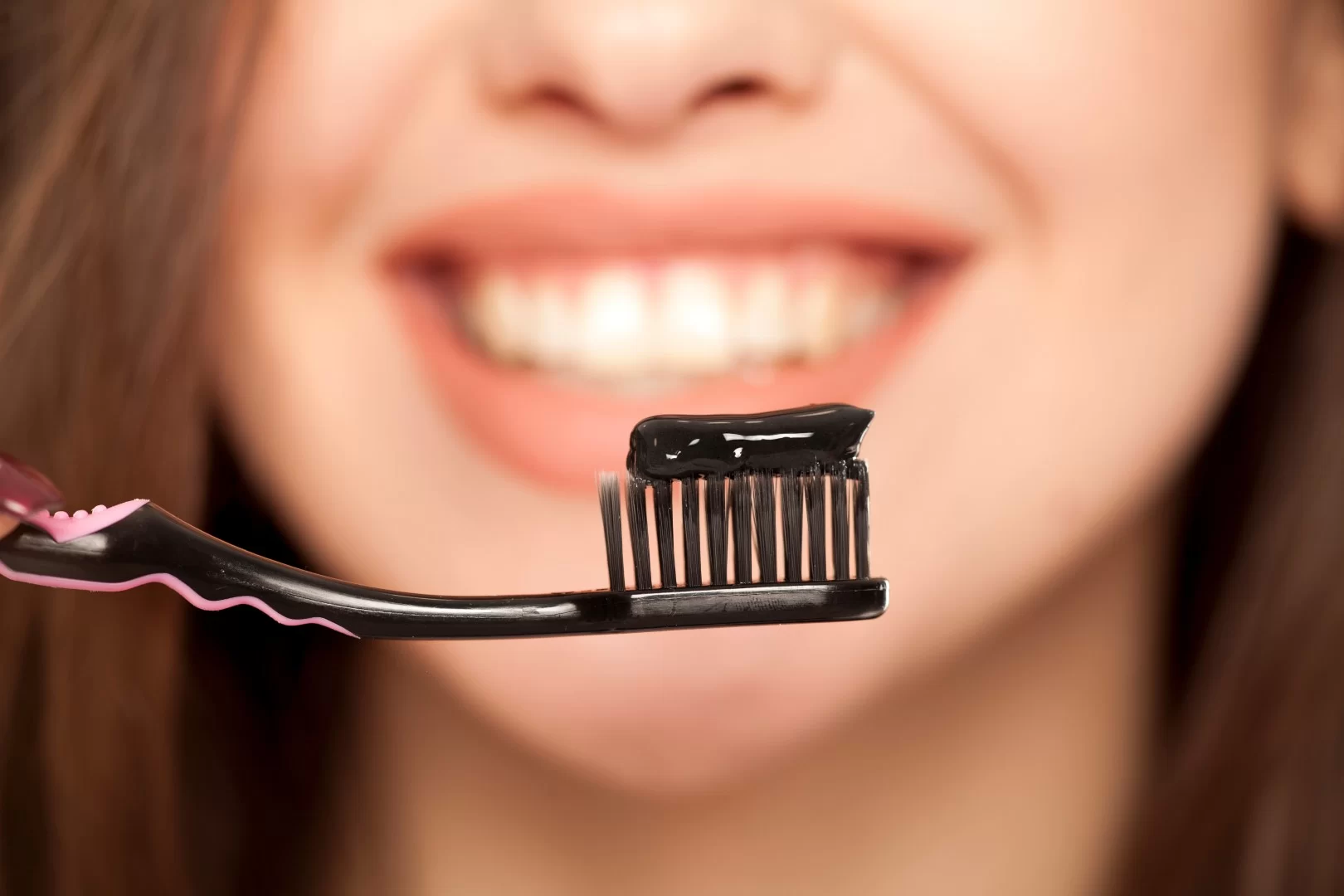
Activated charcoal, often used in medical settings to treat poisoning, is also marketed for personal care, including teeth whitening. This fine black powder is made by heating carbon-rich materials, such as wood or coconut shells, in the presence of a gas that causes the material to develop a porous structure. This porous nature gives activated charcoal its ability to trap particles, which is why it’s become popular in products ranging from face masks to toothpaste.
Benefits of Activated Charcoal for Teeth Whitening
The main reason activated charcoal has become a trendy ingredient in teeth whitening products is its ability to absorb surface stains on the teeth. Here are some of the potential benefits of using activated charcoal for whitening:
- Stain Removal: Activated charcoal is known for its absorbent properties, which may help lift stains caused by coffee, wine, or smoking.
- Natural and Chemical-Free: Many people prefer activated charcoal over chemical-laden whitening products due to its natural composition.
- Improves Oral Hygiene: Besides whitening, activated charcoal may help in maintaining general oral hygiene by binding to bacteria and toxins in the mouth.
While the benefits sound promising, it's essential to look at how activated charcoal works in detail to understand its true effectiveness.
How Does Activated Charcoal Whiten Teeth?
Activated charcoal works by absorbing substances that stick to its surface. When used on the teeth, it may remove surface stains by adhering to the compounds causing discoloration. However, it’s important to note that activated charcoal only works on surface stains and does not affect deeper, intrinsic discoloration that comes from inside the tooth.
To use activated charcoal for whitening, it's typically applied by brushing your teeth with a paste made from activated charcoal powder. While some people report seeing immediate results, the effectiveness varies from person to person. It’s also important to note that activated charcoal is abrasive, which could wear down enamel if used too frequently.
Are There Any Risks in Using Activated Charcoal?
While activated charcoal may have benefits for teeth whitening, it’s not without its risks. Here are some concerns to consider:
- Enamel Erosion: Because activated charcoal is abrasive, using it too often can wear down the enamel on your teeth, making them more vulnerable to cavities and sensitivity.
- Gum Irritation: The abrasive particles may cause irritation to sensitive gums, especially if the paste is applied aggressively.
- Staining of Dental Work: Charcoal can also stain dental work, such as crowns or fillings, due to its black color.
- Lack of Long-Term Studies: There are limited long-term studies on the safety and effectiveness of using activated charcoal for teeth whitening, so it's important to consult with your dentist before trying it regularly.
Because of these risks, it’s recommended to use activated charcoal products sparingly and under the guidance of a dental professional.
Real-Life Experiences: Activated Charcoal for Teeth Whitening
Many individuals have shared their experiences using activated charcoal for teeth whitening. Take Sarah, a 28-year-old from California, who decided to try charcoal toothpaste after reading positive reviews online. She noticed a slight improvement in the whiteness of her teeth, but she also experienced some gum irritation. After consulting her dentist, she decided to cut back on using charcoal products and switch to a gentler whitening alternative.
While Sarah’s experience isn’t unique, others have had success with activated charcoal, particularly for minor surface stains. However, it’s essential to consider how your teeth respond and weigh the potential risks before continuing with the treatment.
Is Activated Charcoal Right for You?
If you're looking for a natural way to whiten your teeth, activated charcoal may offer some benefits, particularly for minor surface stains. However, it’s crucial to consider the potential risks, such as enamel erosion and gum irritation, before adding it to your oral care routine.
Before using activated charcoal or any other teeth whitening product, consult with your dentist to determine the best and safest approach for your dental needs. For those interested in whitening products that are both safe and effective, visit Dentistry Toothtruth to explore trusted options.






 High Tide Dental- Dr. Lucas Homicz, DDS5.0 (150 review)
 West Covina FAMILY DENTISTRY4.0 (45 review)
 Aurora Dental Care4.0 (153 review)
 Tend East Nashville4.0 (319 review)
 Amerident Dental PC4.0 (169 review)
 Gentle Dental Methuen4.0 (241 review)
 The Importance of Oral Health Education During Pregnancy for a Healthy Pregnancy
 Best Tips for Brushing Your Teeth Properly for Healthy Gums: Essential Techniques for Oral Health
 Why Skipping Dental Checkups Can Lead to Bigger Oral Health Problems
 Advantages of Porcelain Dental Restorations
 How Can Diabetes Cause Tooth and Gum Problems? Preventing and Managing Oral Health Issues
 Healthy Habits for Promoting Good Oral Health and Hygiene: Tips for a Healthy Smile