
Understanding Oral Cancer and Its Importance
Oral cancer is a serious health condition that affects thousands of people in the United States every year. Early detection dramatically improves treatment outcomes and survival rates, making routine screenings critical. But do dentists check for oral cancer? The answer is yes, and this article will explore how dentists perform oral cancer screenings, what signs to watch for, and why these checks are vital for your health.
How Dentists Conduct Oral Cancer Screenings
1. Visual Examination of the Mouth and Throat
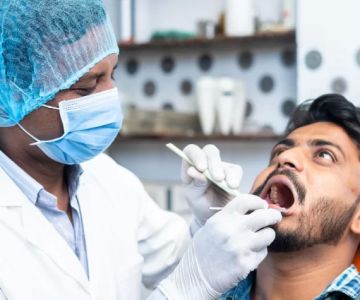
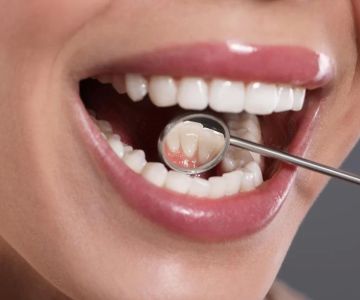
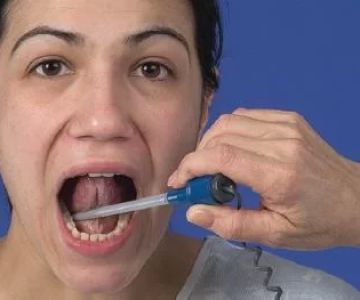
During your routine dental checkup, dentists perform a thorough visual inspection of your mouth, tongue, gums, and throat. They look for abnormal patches, sores, or discolorations that might indicate early signs of oral cancer. This exam is quick and painless but highly effective at spotting suspicious areas.
2. Physical Palpation
Besides looking, dentists use their fingers to gently feel the tissues inside your mouth and neck. This palpation helps identify lumps, swelling, or unusual firmness that may not be visible but could signal cancerous or precancerous changes.
3. Use of Special Tools and Techniques
Some dental offices employ advanced tools like VELscope or toluidine blue staining to enhance the detection of abnormal cells. These technologies help dentists spot early changes in oral tissue that are invisible to the naked eye, providing an additional layer of safety during your checkup.
Recognizing Early Symptoms of Oral Cancer
1. Persistent Sores or Ulcers
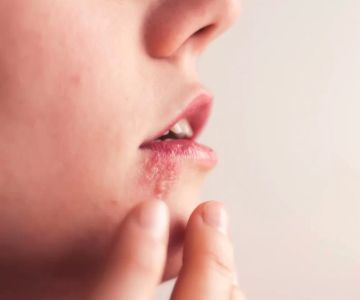
One of the earliest signs can be sores that do not heal after two weeks. These can appear anywhere inside the mouth, including the tongue, cheeks, or roof of the mouth.
2. White or Red Patches
Areas of discoloration, often described as leukoplakia (white patches) or erythroplakia (red patches), can be precancerous and require monitoring or biopsy.
3. Unexplained Bleeding or Numbness
Bleeding without obvious cause or numbness in any part of the mouth or face should raise concern and prompt an immediate dental visit.
4. Difficulty in Swallowing or Speaking
Changes in speech or swallowing can be signs of oral or throat cancer and should never be ignored.
Risk Factors That Increase Oral Cancer Chances
1. Tobacco and Alcohol Use
The combined use of tobacco products and heavy alcohol consumption significantly increases the risk of developing oral cancer.
2. Human Papillomavirus (HPV) Infection
Certain strains of HPV are linked to an increased risk of cancers in the mouth and throat, making safe practices and vaccination important.
3. Sun Exposure
Prolonged sun exposure can cause lip cancer, so protecting lips with balm and limiting UV exposure is essential.
Why Regular Dental Checkups Matter for Oral Cancer Prevention
Routine dental visits are the best way to catch oral cancer early. Dentists not only clean your teeth but also evaluate your overall oral health and screen for any warning signs. Patients often share stories of early diagnosis thanks to their dentist’s vigilance, which has saved many lives.
Real-Life Story: Early Detection Saves Lives
Take the case of John, a 45-year-old who visited his dentist for a routine cleaning. The dentist noticed a small white patch on his tongue and recommended a biopsy. Fortunately, the lesion was caught early and treated promptly, preventing cancer from advancing. John’s story highlights the critical role dentists play in oral cancer detection.
What You Can Do to Protect Yourself
1. Schedule Regular Dental Exams
Make oral cancer screening part of your routine dental visits. Early detection is key.
2. Avoid Tobacco and Limit Alcohol
Reducing these risk factors lowers your chances of oral cancer.
3. Maintain Good Oral Hygiene
Healthy gums and mouth reduce infection risks and help spot abnormalities sooner.
4. Stay Alert to Symptoms
Don’t ignore persistent sores, lumps, or changes in your mouth; seek dental advice promptly.
Conclusion
Do dentists check for oral cancer? Absolutely. Oral cancer screenings are an essential part of your dental care, helping identify potentially dangerous changes early. With regular checkups and awareness of risk factors and symptoms, you can protect your oral health and overall well-being. For expert advice and professional oral health services, consider visiting Dentistry Toothtruth to find the best care tailored for you.
 Grace Dental Smiles4.0 (850 review)
 Nassau Shores Family Dental4.0 (13 review)
 Tend East Nashville4.0 (319 review)
 PERFECT SMILES DENTAL / Nguyen Katherine T DMD, FAGD5.0 (3 review)
 Steven L Kim DDS5.0 (59 review)
 Children's Dental FunZone - Pediatric Dentist - Fontana4.0 (1496 review)
 The Importance of Oral Health Education During Pregnancy for a Healthy Pregnancy
 Best Tips for Brushing Your Teeth Properly for Healthy Gums: Essential Techniques for Oral Health
 Why Skipping Dental Checkups Can Lead to Bigger Oral Health Problems
 Advantages of Porcelain Dental Restorations
 How Can Diabetes Cause Tooth and Gum Problems? Preventing and Managing Oral Health Issues
 Healthy Habits for Promoting Good Oral Health and Hygiene: Tips for a Healthy Smile