
The Dangers of DIY Teeth Whitening: What You Need to Know Before Trying It
- 1. Why DIY Teeth Whitening Can Be Harmful
- 2. Common DIY Teeth Whitening Methods
- 3. Risks of DIY Teeth Whitening
- 4. Real-Life Stories of DIY Teeth Whitening Gone Wrong
- 5. Safer Alternatives for Whitening Your Teeth
1. Why DIY Teeth Whitening Can Be Harmful
While the idea of whitening your teeth at home may seem convenient and cost-effective, DIY teeth whitening can actually cause more harm than good. Many homemade teeth whitening methods use abrasive or acidic ingredients that can damage the enamel of your teeth, leading to tooth sensitivity, decay, and other dental problems. Without proper guidance or supervision, these methods can result in irreversible damage.
2. Common DIY Teeth Whitening Methods
Some of the most common DIY teeth whitening methods include:
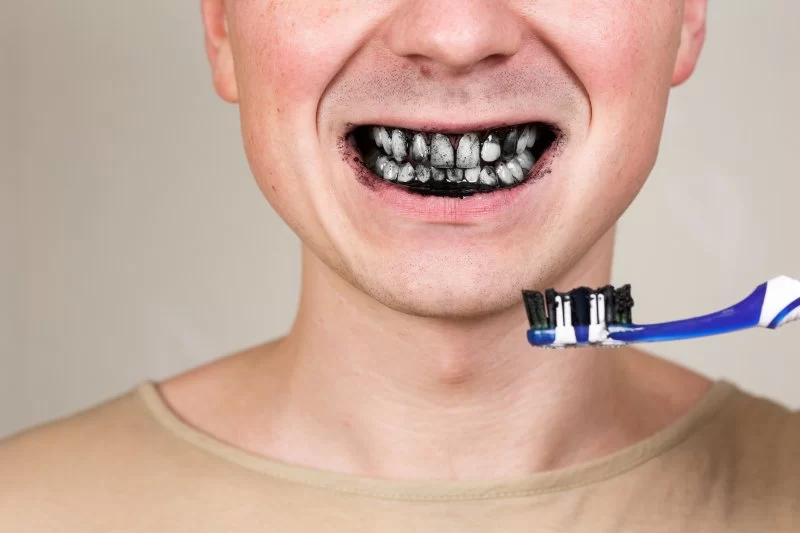
- Activated Charcoal: While charcoal is often marketed as a natural teeth whitener, it is abrasive and can wear down enamel over time.
- Baking Soda: Although baking soda is a popular home remedy, its abrasiveness can also damage the enamel if used too frequently or improperly.
- Lemon Juice: The acidity of lemon juice can erode enamel and cause tooth sensitivity, especially when used frequently or in high concentrations.
- Hydrogen Peroxide: While hydrogen peroxide can whiten teeth, improper use can lead to gum irritation and damage to the delicate tissues inside the mouth.
3. Risks of DIY Teeth Whitening
Using DIY teeth whitening methods can result in several serious risks for your oral health:
- Tooth Sensitivity: Abrasive ingredients can wear down tooth enamel, which is essential for protecting your teeth from hot, cold, or sweet foods. Once enamel is gone, it can't be replaced.
- Gum Irritation: Harsh whitening agents, especially hydrogen peroxide and lemon juice, can cause irritation or even chemical burns to your gums if used incorrectly.
- Enamel Erosion: Regular use of acidic substances like lemon juice or vinegar can lead to enamel erosion, which weakens teeth and makes them more prone to cavities and decay.
- Uneven Whitening: Homemade whitening products may not provide even results, leaving some areas of your teeth lighter than others, resulting in an unnatural appearance.
4. Real-Life Stories of DIY Teeth Whitening Gone Wrong
Many people have shared their experiences with DIY teeth whitening, and not all of them have had positive outcomes. Take Sarah, for example, who decided to try whitening her teeth with activated charcoal after seeing it recommended online. She quickly noticed her teeth became more sensitive, and over time, her enamel started to look worn down. She regretted not consulting a dentist before trying this method. Unfortunately, her story is not unique—many individuals who have used DIY whitening methods end up with permanent dental damage.
Another case involved James, who used a homemade mixture of baking soda and lemon juice, believing it would whiten his teeth safely. However, he developed gum irritation and tooth pain after just a few applications. He later discovered that the acidity of lemon juice had caused significant damage to his gums and teeth, which required professional treatment to repair.
5. Safer Alternatives for Whitening Your Teeth
If you want a brighter smile without the risks of DIY teeth whitening, there are safer, dentist-approved alternatives:
- Professional Teeth Whitening: A dentist can offer in-office whitening treatments that are safe, effective, and customized to your needs. These treatments are done under the supervision of a professional to ensure optimal results without causing harm.
- Whitening Toothpaste: Whitening toothpaste is a mild alternative that gently removes surface stains and is safe for everyday use. Choose a product with the American Dental Association (ADA) seal of approval to ensure quality and safety.
- Whitening Strips: Over-the-counter whitening strips can offer visible results with minimal risk. Look for products that are approved by dental professionals for safe use.
- At-Home Professional Kits: If you prefer whitening at home, consider investing in a professional-grade teeth whitening kit recommended by your dentist. These kits contain safe ingredients and are designed to protect your gums and enamel while whitening your teeth.
For more information on safe teeth whitening methods and products, visit Dentistry Toothtruth.






 Robert Niles5.0 (2 review)
 Gover and Gover Dentistry4.0 (22 review)
 Gentle Dental Clackamas Town Center4.0 (167 review)
 Barrett Dental Care4.0 (221 review)
 James S Minutello, DDS and Regina D Minutello DMD MS Inc4.0 (255 review)
 ForwardDental Madison West4.0 (220 review)
 The Importance of Oral Health Education During Pregnancy for a Healthy Pregnancy
 Best Tips for Brushing Your Teeth Properly for Healthy Gums: Essential Techniques for Oral Health
 Why Skipping Dental Checkups Can Lead to Bigger Oral Health Problems
 Advantages of Porcelain Dental Restorations
 How Can Diabetes Cause Tooth and Gum Problems? Preventing and Managing Oral Health Issues
 Healthy Habits for Promoting Good Oral Health and Hygiene: Tips for a Healthy Smile