
- The Importance of Dental Hygiene
- Daily Dental Hygiene Practices
- Advanced Techniques for Oral Health
- Real-Life Case Study: A Story of Transformation
- Explore More Resources and Products
The Importance of Dental Hygiene
Dental hygiene is crucial for not only maintaining a bright smile but also for overall health. Poor oral hygiene can lead to serious issues such as gum disease, infection, or even heart-related problems. Scientists have found strong links between gum health and cardiovascular health, illustrating just how vital dental care is for your body.
Moreover, practicing good dental hygiene boosts self-esteem and confidence, allowing individuals to engage more freely in social interactions. Thus, understanding and implementing proper dental care routines is essential for both physical and mental well-being.
Daily Dental Hygiene Practices
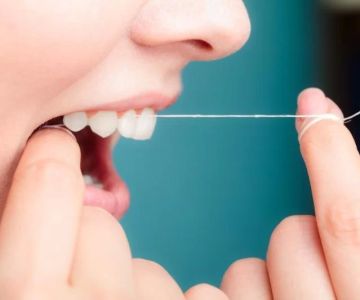
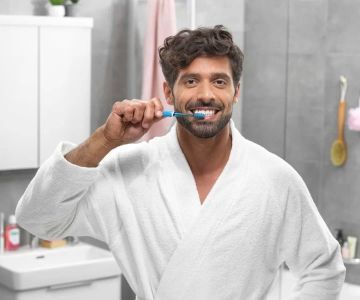
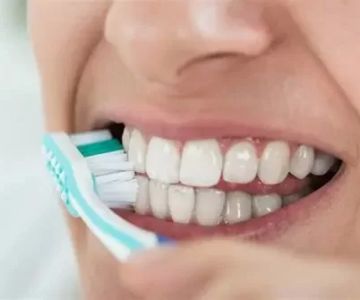
Maintaining oral health requires discipline in daily routines. Fundamental practices such as brushing twice a day and flossing regularly are non-negotiable habits each of us should commit to. Using fluoride toothpaste and a soft-bristled toothbrush can make a significant difference in preserving enamel and preventing cavities.
In addition to brushing and flossing, employing an antiseptic mouthwash can help in reducing plaque and maintaining a fresh breath. Equally important is the regular change of toothbrushes every 3-4 months, or sooner if the bristles are frayed, to ensure efficiency in every brushing session.
Advanced Techniques for Oral Health
While basic hygiene practices lay the foundation, advanced techniques can significantly enhance oral care. For instance, dental professionals recommend using electric toothbrushes for a thorough clean, along with water flossers that are particularly beneficial for those with braces or bleeding gums.
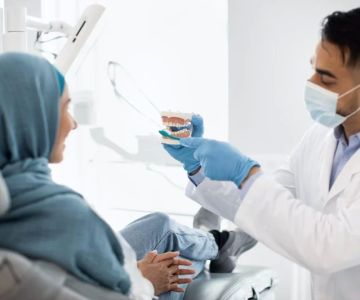
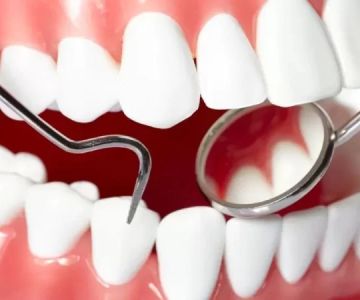
Regular dental check-ups and cleanings allow dentists to identify potential issues early and provide necessary treatments. Additionally, dietary adjustments, such as reducing sugar intake and ensuring sufficient calcium, contribute substantially to stronger teeth and gums.
Real-Life Case Study: A Story of Transformation
Consider the story of John, a 35-year-old with a history of poor dental habits. Over time, he developed severe periodontitis, causing gum recession and tooth sensitivity. Following his dentist's advice, John revamped his oral hygiene routine by incorporating a high-quality electric toothbrush and water flosser.
He also scheduled regular dental cleanings, resulting in a significant improvement in his gum health and an overall boost in his confidence. John's journey underscores the transformative power of effective dental hygiene practices.
Explore More Resources and Products
For those eager to take their dental health to the next level, further resources are available at Dentistry Toothtruth. Here, you can find expert advice and explore a range of top-quality oral care products tailored to meet individual needs.

 Open Cities Health Center2.0 (59 review)
 A Glowing Smile Dental Care4.0 (320 review)
 Cramer Dental4.0 (286 review)
 Central Dental - Dentist Westchester NY4.0 (63 review)
 Dunstan Dental Center LLC4.0 (59 review)
 South Mississippi Smiles - Gulfport4.0 (454 review)
 The Importance of Oral Health Education During Pregnancy for a Healthy Pregnancy
 Best Tips for Brushing Your Teeth Properly for Healthy Gums: Essential Techniques for Oral Health
 Why Skipping Dental Checkups Can Lead to Bigger Oral Health Problems
 Advantages of Porcelain Dental Restorations
 How Can Diabetes Cause Tooth and Gum Problems? Preventing and Managing Oral Health Issues
 Healthy Habits for Promoting Good Oral Health and Hygiene: Tips for a Healthy Smile