
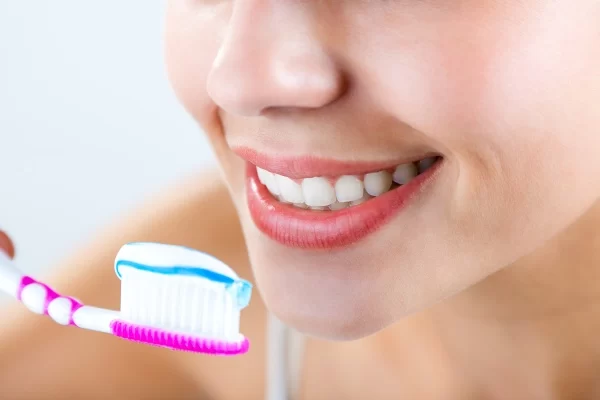
Why Dental Hygiene is Important for Overall Health: A Guide to Oral Well-being
- 1. The Link Between Dental Hygiene and Overall Health
- 2. How Poor Oral Hygiene Affects Your Body
- 3. Common Dental Hygiene Practices for a Healthy Mouth
- 4. The Role of Dental Hygiene in Preventing Systemic Diseases
- 5. Real-Life Examples: How Dental Hygiene Affects Health
- 6. Tips for Maintaining Good Oral Hygiene
1. The Link Between Dental Hygiene and Overall Health
Maintaining good dental hygiene is not just about having a bright smile—it plays a crucial role in your overall health. Your mouth is the gateway to your body, and poor oral hygiene can lead to a variety of serious health issues beyond cavities and gum disease. Research has shown that improper oral care can affect your heart, lungs, and even your pregnancy outcomes. This is why it’s so important to take your dental hygiene seriously.
When you neglect oral hygiene, bacteria can accumulate in your mouth, leading to plaque build-up and gum disease. If left untreated, these bacteria can enter the bloodstream, contributing to inflammation and potentially affecting other organs in your body. Thus, brushing and flossing regularly isn’t just important for a clean mouth; it’s essential for your long-term health.
2. How Poor Oral Hygiene Affects Your Body
When you fail to maintain proper dental hygiene, bacteria and plaque can build up on your teeth and gums. Over time, this can lead to the following health problems:
- Gum Disease (Periodontal Disease): The most common consequence of poor oral hygiene is gum disease. If left untreated, it can lead to tooth loss and an increased risk of heart disease.
- Heart Disease: Studies have shown that gum disease increases the risk of heart disease. Bacteria from your mouth can enter your bloodstream and attach to blood vessels, contributing to plaque formation in arteries.
- Diabetes: Poor oral health can also affect blood sugar control, which can be particularly dangerous for people with diabetes. Gum disease can make it more difficult to control blood sugar levels, exacerbating diabetes.
- Respiratory Problems: Infections in the mouth can be inhaled into the lungs, potentially leading to pneumonia or other respiratory infections.
These are just a few examples of how neglecting dental hygiene can affect your overall health. Taking care of your teeth and gums is essential to preventing these conditions and ensuring your body remains in good health.
3. Common Dental Hygiene Practices for a Healthy Mouth
To protect both your oral and overall health, it’s important to develop and maintain good dental hygiene habits. Here are some essential practices:
- Brushing Your Teeth: Brush your teeth at least twice a day using fluoride toothpaste. Make sure to brush all surfaces of your teeth for two minutes each time.
- Flossing: Flossing removes food particles and plaque from between your teeth, where your toothbrush can’t reach. Do this once a day to maintain gum health.
- Mouthwash: Using an antibacterial mouthwash can help reduce the number of harmful bacteria in your mouth, preventing plaque buildup and gum disease.
- Regular Dental Checkups: Visit your dentist at least twice a year for cleanings and checkups. Regular visits allow for early detection and treatment of dental issues.
By following these dental hygiene practices, you can significantly reduce the risk of tooth decay and gum disease, helping to maintain your overall health.
4. The Role of Dental Hygiene in Preventing Systemic Diseases
Dental hygiene doesn’t just impact your teeth and gums—it plays a vital role in preventing systemic diseases. Here’s how:
- Heart Disease: As mentioned, gum disease can contribute to heart disease. The bacteria from infected gums can travel to the heart, potentially leading to inflammation and the development of heart disease.
- Stroke: Poor oral health has been linked to an increased risk of stroke, as the bacteria from gum disease can also lead to blocked arteries and reduced blood flow to the brain.
- Diabetes Management: People with diabetes are more prone to gum disease, and untreated oral infections can make it harder to control blood sugar levels.
Maintaining good oral hygiene can help prevent these and other systemic diseases, highlighting the far-reaching benefits of a healthy mouth.
5. Real-Life Examples: How Dental Hygiene Affects Health
Consider the case of John, a 45-year-old man who had neglected his oral health for years. He rarely brushed his teeth, and his gums were often swollen and bleeding. After a routine checkup, his dentist found signs of early gum disease and informed John that his condition put him at a higher risk for heart disease.
John was shocked to learn that his poor dental hygiene was linked to a much larger issue. After making a commitment to brush and floss regularly and attend regular checkups, his gum health improved significantly, and he was able to reduce his risk of further complications.
John’s experience is just one example of how poor dental hygiene can lead to long-term health problems, but it also shows how taking proactive steps to improve your dental care can have a profound impact on your overall well-being.
6. Tips for Maintaining Good Oral Hygiene
Here are some practical tips to help you maintain good oral hygiene and improve your overall health:
- Brush Properly: Use a soft-bristled toothbrush and fluoride toothpaste. Brush for at least two minutes, making sure to clean the front, back, and chewing surfaces of your teeth.
- Floss Daily: Flossing is essential for removing plaque and food particles between your teeth that brushing can’t reach.
- Stay Hydrated: Drinking plenty of water helps keep your mouth moist, which aids in the production of saliva and helps wash away food particles.
- Visit Your Dentist Regularly: Regular dental checkups and cleanings are key to preventing oral diseases and addressing any issues early.
- Consider Oral Care Products: Products like mouthwash and fluoride treatments can help maintain oral health between visits to the dentist. For a wide range of dental care options, visit Dentistry Toothtruth.
By following these simple steps, you can enjoy better dental health and reduce the risk of complications related to poor oral hygiene. Start today to take control of your oral and overall health!






 Ramsey Dental Center4.0 (242 review)
 All Seacoast Dental and Associates3.0 (38 review)
 Ahoyt Family Dental4.0 (619 review)
 Pura Dental Center Kingsbridge4.0 (498 review)
 Community Health Care Hilltop Family Dental Clinic3.0 (188 review)
 Main Street Dental Center City: Dr. Richard Eidelson4.0 (119 review)
 The Importance of Oral Health Education During Pregnancy for a Healthy Pregnancy
 Best Tips for Brushing Your Teeth Properly for Healthy Gums: Essential Techniques for Oral Health
 Why Skipping Dental Checkups Can Lead to Bigger Oral Health Problems
 Advantages of Porcelain Dental Restorations
 How Can Diabetes Cause Tooth and Gum Problems? Preventing and Managing Oral Health Issues
 Healthy Habits for Promoting Good Oral Health and Hygiene: Tips for a Healthy Smile