
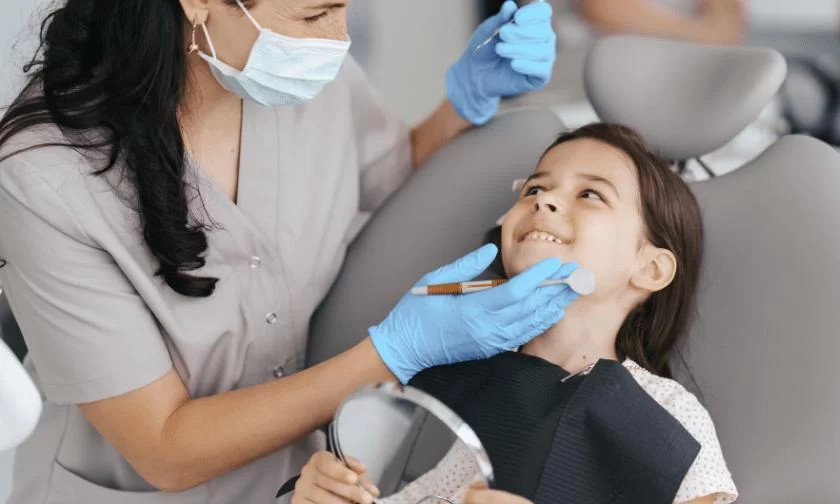
Why Are Dental Exams Important for Children Under 3? Essential Tips for Parents
- The Importance of Early Dental Care
- When Should My Child Have Their First Dental Exam?
- Benefits of Early Dental Checkups for Children Under 3
- Common Dental Problems in Young Children
- Real-Life Examples and Parent Stories
- How to Prepare for Your Child’s First Dental Visit
1. The Importance of Early Dental Care
Dental exams are essential for children, even before they turn 3. Many parents may not realize that dental care is just as important for toddlers as it is for older children and adults. Starting dental care early can help prevent cavities, teach children the importance of oral hygiene, and detect potential problems early, which can save both time and money in the long run. Early exams also help establish a trusting relationship between the child and dentist, making future visits less stressful.
2. When Should My Child Have Their First Dental Exam?
The American Dental Association recommends that children have their first dental exam by the age of 1, or within six months after their first tooth erupts, whichever comes first. While this may seem early, the first few years of life are critical for establishing healthy dental habits and ensuring that any issues, such as tooth decay or gum problems, are caught early. Early visits also allow parents to ask questions about teething, baby bottle usage, and other concerns about oral health.
3. Benefits of Early Dental Checkups for Children Under 3
There are several key benefits of starting dental exams early:
- Prevention of Tooth Decay: Even babies can get cavities, and starting dental exams early helps detect issues before they become more serious.
- Establishing Good Habits: Dental exams provide an opportunity to teach children the importance of brushing and flossing from a young age, setting the foundation for lifelong oral hygiene habits.
- Detecting Developmental Issues: Early exams can identify potential issues like misalignment or abnormal development of teeth, which can be addressed early with preventive measures.
- Less Anxiety for Future Visits: Early exposure to the dentist helps reduce the fear and anxiety associated with dental visits as the child grows older.
4. Common Dental Problems in Young Children
Even though children’s teeth are temporary, they can still experience dental problems. Common issues seen in children under 3 include:
- Tooth Decay: Baby bottle tooth decay is a concern for children who are frequently given sugary drinks in bottles or sippy cups, especially at night.
- Teething Pain: As the first teeth come in, children may experience discomfort and pain, which can make it difficult for parents to clean their baby’s teeth properly.
- Gum Inflammation: Sometimes, poor oral hygiene can cause the gums to become inflamed, which can lead to other dental problems if untreated.
5. Real-Life Examples and Parent Stories
Take the example of Sarah, a mom who took her daughter Emma for her first dental exam at 18 months. Although Sarah wasn’t sure what to expect, the dentist was able to spot some early signs of tooth decay and gave Sarah advice on how to improve her daughter’s brushing routine. By addressing the issue early, Emma avoided the need for a filling down the road. Another parent, Mark, shared that taking his son Ethan to the dentist at age 2 not only helped him avoid dental anxiety but also gave Mark the tools to establish a great brushing routine at home.
6. How to Prepare for Your Child’s First Dental Visit
Preparing for your child’s first dental visit can be a little overwhelming, but there are a few simple steps to make the experience smoother:
- Stay Calm: Children can pick up on their parents’ anxiety, so staying calm and positive is key.
- Make it Fun: Turn the dental visit into a fun adventure by reading books or watching videos about going to the dentist.
- Discuss Expectations: Explain to your child that the dentist is there to help them and that the visit will be quick and painless.
In conclusion, dental exams are incredibly important for children under 3. These early visits help prevent future dental issues, establish good oral hygiene habits, and foster a positive relationship with dental care. To learn more about how to care for your child's teeth and find expert dental care, visit Dentistry Toothtruth.






 My Dentist4.0 (982 review)
 DentalWorks Louisville4.0 (536 review)
 Bergen Orthodontics5.0 (686 review)
 Engle Family Dentistry: Kenneth Engle, DDS4.0 (37 review)
 Newtown Dentistry for Kids4.0 (544 review)
 Michael Alan Pilar, DDS0.0 (0 review)
 The Importance of Oral Health Education During Pregnancy for a Healthy Pregnancy
 Best Tips for Brushing Your Teeth Properly for Healthy Gums: Essential Techniques for Oral Health
 Why Skipping Dental Checkups Can Lead to Bigger Oral Health Problems
 Advantages of Porcelain Dental Restorations
 How Can Diabetes Cause Tooth and Gum Problems? Preventing and Managing Oral Health Issues
 Healthy Habits for Promoting Good Oral Health and Hygiene: Tips for a Healthy Smile