
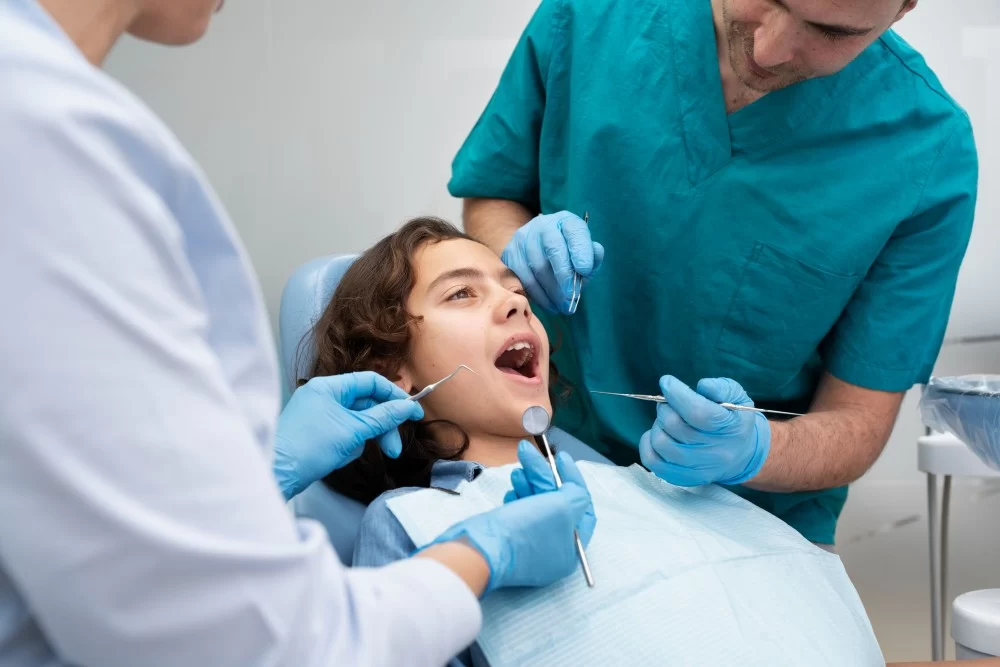
Dental Emergency! How to Handle Dental Injuries and Seek Immediate Care
- 1. Common Types of Dental Emergencies
- 2. What to Do in a Dental Emergency
- 3. When to See an Emergency Dentist
- 4. Real-Life Dental Emergency Stories
- 5. Preventing Dental Emergencies
Dental emergencies can happen at any time, often when you least expect it. Whether it’s a painful toothache, a chipped tooth, or a more serious injury, knowing how to handle these situations can make all the difference in minimizing damage and alleviating pain. In this article, we’ll explore common types of dental emergencies, how to handle them, when to seek professional help, and how to prevent future incidents.
1. Common Types of Dental Emergencies
Dental emergencies come in various forms, and it’s important to recognize the signs so you can act quickly. Some of the most common dental emergencies include:
- Toothaches: Persistent or severe tooth pain can indicate a number of issues, including infection, cavities, or even an abscess. Toothaches can range from mildly uncomfortable to debilitating, and they often require urgent attention.
- Chipped or Broken Teeth: Accidents or injuries can lead to cracked, chipped, or broken teeth. While some fractures might be minor and cosmetic, others can expose sensitive nerves, causing significant pain and requiring immediate care.
- Knocked-Out Tooth: One of the most urgent dental emergencies is a knocked-out tooth. Immediate action is necessary to try to save the tooth and reimplant it if possible.
- Lost Fillings or Crowns: Losing a filling or crown can be an uncomfortable emergency, as it leaves the tooth exposed to further damage or infection. If left untreated, it can lead to more serious problems.
- Gum Injuries: Accidental injuries can also affect your gums, resulting in cuts, swelling, or other trauma. While not as severe as some other dental issues, these injuries can still require professional care to avoid infection.
Recognizing the symptoms of these emergencies and acting quickly can help prevent further damage and ensure a more successful recovery. For example, in the case of a knocked-out tooth, prompt action can mean the difference between saving or losing the tooth permanently.
2. What to Do in a Dental Emergency
Knowing how to handle a dental emergency is crucial for minimizing pain and protecting your oral health. Here are some steps you can take depending on the situation:
- Toothache: If you're experiencing a toothache, rinse your mouth with warm water to clean it. Use dental floss to remove any food particles that might be lodged between your teeth. Avoid using aspirin directly on the gum, as it may cause irritation. You can also apply a cold compress to reduce swelling and pain.
- Chipped or Broken Tooth: Rinse your mouth with warm water to clean the area. If the break is sharp, apply a piece of wax or a sugar-free gum to cover the sharp edges and protect your mouth. If there’s bleeding, apply gauze to the area and apply pressure. See a dentist as soon as possible.
- Knocked-Out Tooth: Time is of the essence! Find the tooth and hold it by the crown (the top part), not the root. Rinse it gently in water, but do not scrub it. If possible, place the tooth back into the socket or store it in a container of milk to keep it alive until you can reach the dentist.
- Lost Filling or Crown: If you’ve lost a filling or crown, try to place it back on the tooth if possible. Use dental cement, available at most pharmacies, to temporarily seal it until you can visit the dentist.
- Gum Injuries: Clean the area gently with warm water and apply a cold compress to reduce swelling. If bleeding persists, bite down on a piece of gauze until the bleeding stops.
In all cases, try to stay calm and seek professional help as soon as possible. Quick action is essential for preventing further complications and ensuring the best outcome for your dental health.
3. When to See an Emergency Dentist
In some dental situations, it’s clear that you need immediate professional help. But how do you know when a dental issue requires emergency treatment? Here are some guidelines:
- Severe pain or discomfort: If you’re experiencing intense tooth pain or discomfort that over-the-counter pain relievers can’t alleviate, it’s time to see a dentist.
- Knocked-out tooth: If a tooth has been knocked out, you need to see a dentist right away to have the tooth potentially re-implanted.
- Visible injury or bleeding: If you notice severe cuts, swelling, or excessive bleeding in your gums or mouth, it’s important to get urgent care to prevent infection.
- Loss of a filling or crown: If the loss of a filling or crown leaves the tooth vulnerable, you should see a dentist soon to prevent further damage or decay.
If you’re unsure whether your situation qualifies as an emergency, it’s always better to err on the side of caution and reach out to a dental professional. Many dental offices offer emergency services, and you can usually get guidance on what to do until you can be seen.
4. Real-Life Dental Emergency Stories
Real-life experiences can help highlight the importance of swift action in a dental emergency. For example, a recent case involved a child who was playing soccer and took an accidental elbow to the mouth, knocking out a tooth. His parents acted quickly, placed the tooth in a container of milk, and rushed him to the dentist. The dentist was able to reimplant the tooth, and with proper care, the tooth healed perfectly.
In another case, an adult woman experienced severe pain from a toothache that persisted for days. She avoided seeking treatment, thinking the pain would subside on its own. Unfortunately, the pain intensified, and she ended up needing a root canal. Had she seen the dentist earlier, she could have avoided the need for more invasive procedures.
These stories serve as a reminder of how important it is to address dental issues quickly and effectively. Immediate care can save teeth, reduce pain, and prevent further complications.
5. Preventing Dental Emergencies
While some dental emergencies are inevitable, there are steps you can take to minimize the risk of injury and damage:
- Wear a mouthguard: If you play contact sports, always wear a properly fitted mouthguard to protect your teeth from injury.
- Maintain good oral hygiene: Regular brushing, flossing, and dental checkups can help prevent tooth decay and gum disease, reducing the likelihood of toothaches and other dental issues.
- Avoid hard foods: Be mindful of hard foods that can cause tooth fractures, like ice or hard candy.
- Use caution when handling objects: Avoid using your teeth to open bottles or packages, as this can lead to chips or breaks.
By taking preventative measures and maintaining your oral health, you can reduce the risk of dental emergencies and avoid unnecessary stress in the future.
If you ever find yourself in a dental emergency, don’t hesitate to seek professional help. Visit Dentistry Toothtruth for expert guidance, urgent care, and more information on how to handle dental issues effectively.






 Newnan Dental Studio4.0 (235 review)
 Jillian Tyler, DDS5.0 (2 review)
 Perfect Smiles of Bensalem4.0 (98 review)
 Northwest Dental Services & Denture Implant Center4.0 (14 review)
 MGK Dental0.0 (0 review)
 Dr. Dental: Dentistry & Braces4.0 (459 review)
 The Importance of Oral Health Education During Pregnancy for a Healthy Pregnancy
 Best Tips for Brushing Your Teeth Properly for Healthy Gums: Essential Techniques for Oral Health
 Why Skipping Dental Checkups Can Lead to Bigger Oral Health Problems
 Advantages of Porcelain Dental Restorations
 How Can Diabetes Cause Tooth and Gum Problems? Preventing and Managing Oral Health Issues
 Healthy Habits for Promoting Good Oral Health and Hygiene: Tips for a Healthy Smile