
Cost of Dental Implants in the US and Insurance Coverage: A Complete Guide
- 1. Overview of Dental Implants: What Are They and Why Choose Them?
- 2. How Much Do Dental Implants Cost in the US?
- 3. Factors Affecting the Cost of Dental Implants
- 4. Dental Implants Insurance Coverage: What’s Covered?
- 5. Alternative Financing Options for Dental Implants
- 6. Real-Life Case Study: Understanding the Financial Impact
1. Overview of Dental Implants: What Are They and Why Choose Them?
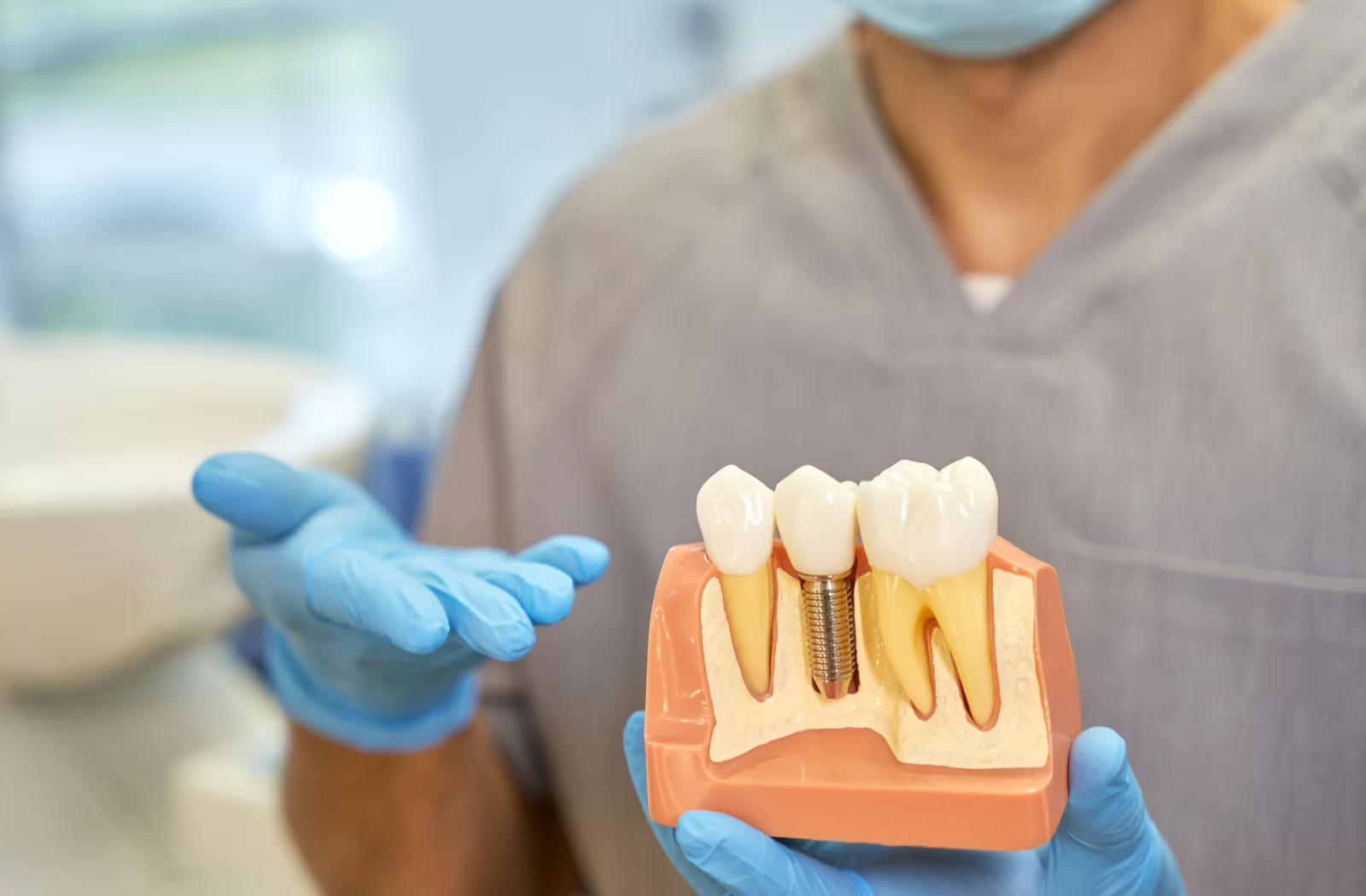
Dental implants are a popular and effective solution for replacing missing teeth. They are artificial tooth roots that are surgically placed into the jawbone, providing a sturdy foundation for permanent or removable replacement teeth. Unlike dentures or bridges, dental implants offer a more natural look and feel, and they are designed to last a lifetime with proper care.
Choosing dental implants often comes down to their durability and the fact that they mimic natural teeth, both in function and appearance. If you are missing teeth due to injury, decay, or other reasons, dental implants might be the right option for restoring your smile and improving your oral health.
2. How Much Do Dental Implants Cost in the US?
The cost of dental implants in the US can vary widely depending on several factors, but on average, a single dental implant can cost between $1,500 and $3,000. This price typically covers only the implant itself, and additional costs for related procedures may apply.
2.1 Total Cost for Dental Implants
The total cost of a dental implant procedure, including the implant, abutment (connector), and crown, can range from $3,000 to $4,500 per tooth. This is only an average, and the price can increase based on the location of the dental office, the complexity of the case, and the materials used.
2.2 The Cost of Multiple Implants
If you require multiple implants, the cost can increase significantly. A full set of upper or lower implants (which typically involves 6-8 implants) may cost anywhere from $20,000 to $45,000. However, this total can vary, depending on your specific needs and treatment plan.
3. Factors Affecting the Cost of Dental Implants
The cost of dental implants can depend on various factors. Here are some of the key elements that influence the price:
3.1 Geographic Location
Dental implant costs tend to be higher in urban areas or regions with a high cost of living. In contrast, smaller towns or rural areas may offer more affordable prices. Additionally, the overall reputation of the dental clinic can impact pricing.
3.2 The Complexity of the Procedure
If you have bone loss or need additional procedures such as bone grafts or sinus lifts, the cost of the implant procedure will increase. Complex cases generally require more time and advanced techniques, leading to higher fees.
3.3 The Materials Used
The type of materials used for the implants can also affect the price. For example, titanium implants are the most common and affordable, but zirconia implants, which are more aesthetic and biocompatible, may cost more.
3.4 The Experience and Expertise of the Dentist
Highly experienced dentists and specialists such as periodontists or oral surgeons often charge higher fees. Their expertise can provide peace of mind, but it may come at a premium.
4. Dental Implants Insurance Coverage: What’s Covered?
One of the most common questions people have is whether their insurance will cover the cost of dental implants. Unfortunately, dental implants are often considered a cosmetic procedure by many insurance companies and may not be fully covered. However, there are ways to make implants more affordable through insurance or other financial options.
4.1 Types of Insurance That May Cover Dental Implants
Traditional dental insurance policies typically do not cover dental implants. However, some plans may cover parts of the process, such as the tooth extraction or crown. If you have a dental discount plan or a plan that specifically includes dental implants, coverage could be better.
4.2 How to Maximize Your Insurance Coverage
Even if your insurance plan doesn’t cover the entire cost, it’s still possible to use it for certain aspects of the procedure. To maximize coverage, it’s important to get pre-authorization from your insurance provider and to inquire about which portions of the procedure are covered. Additionally, some plans may reimburse you for a portion of the implant’s cost if you meet certain criteria.
4.3 Dental Savings Plans and Financing Options
If insurance coverage is limited, consider exploring dental savings plans or third-party financing options. Many dental offices offer payment plans or financing through companies that specialize in medical and dental procedures. These plans can help you spread the cost of dental implants over time, making the procedure more affordable.
5. Alternative Financing Options for Dental Implants
If insurance does not cover dental implants, you still have several options for financing your treatment:
5.1 Health Care Credit Cards
Health care credit cards such as CareCredit offer no-interest or low-interest financing plans for dental procedures, allowing you to pay off your dental implants over time.
5.2 Personal Loans
Some patients opt for personal loans from banks or credit unions to pay for their dental implants. This can be a good option if you don’t have access to a credit card or health care credit card.
5.3 In-House Payment Plans
Many dental offices offer in-house financing or payment plans. These plans often have low interest rates and flexible terms, which can make the cost of dental implants more manageable.
6. Real-Life Case Study: Understanding the Financial Impact
Meet Sarah, a 42-year-old who lost a tooth after an accident. After visiting her dentist and exploring her options, she decided to move forward with a dental implant. The total cost for Sarah’s procedure came to $3,500, which included the implant, abutment, and crown. She was able to use her dental insurance for a portion of the extraction cost but had to pay out-of-pocket for the implant.
Sarah decided to finance the remainder of the procedure through a dental savings plan, which helped her reduce the overall financial burden. With her new implant, Sarah felt more confident and was able to eat and speak with comfort again.
This case highlights how, with the right planning and financing options, dental implants can be an achievable solution for many people.
If you're looking to learn more about dental implants, financing options, or finding the best coverage for your needs, visit Dentistry Toothtruth for expert advice and personalized dental care. We are here to help you navigate the financial aspects of dental implants and ensure you get the care you deserve.






 Small World Dental - Pediatric Dentist and Orthodontist4.0 (1469 review)
 Northwest Endodontics4.0 (16 review)
 Pal Aroon DDS5.0 (3 review)
 Rainier beach Medical and Dental Clinic2.0 (18 review)
 Duxbury Dental4.0 (71 review)
 Hiser Orthodontics5.0 (283 review)
 The Importance of Oral Health Education During Pregnancy for a Healthy Pregnancy
 Best Tips for Brushing Your Teeth Properly for Healthy Gums: Essential Techniques for Oral Health
 Why Skipping Dental Checkups Can Lead to Bigger Oral Health Problems
 Advantages of Porcelain Dental Restorations
 How Can Diabetes Cause Tooth and Gum Problems? Preventing and Managing Oral Health Issues
 Healthy Habits for Promoting Good Oral Health and Hygiene: Tips for a Healthy Smile