
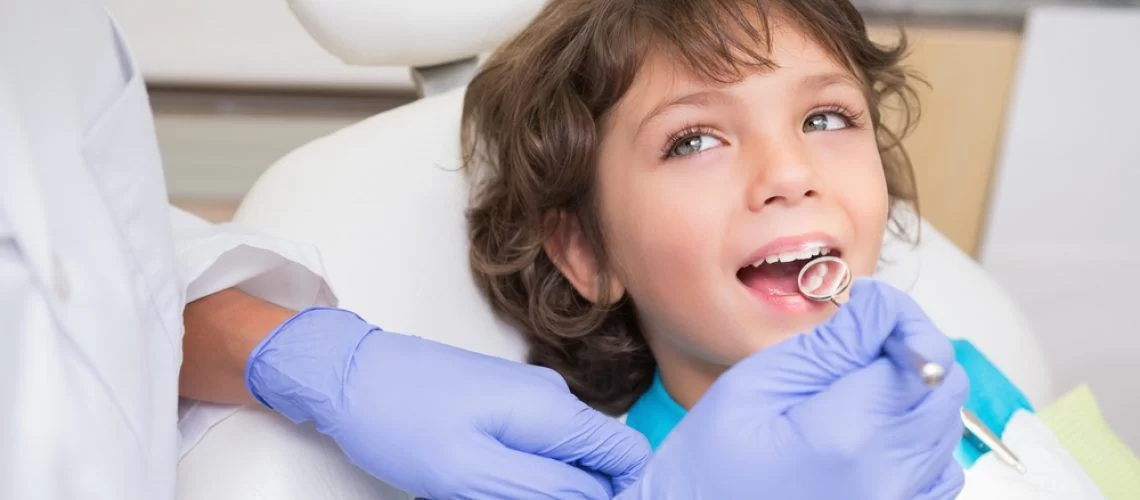
Common Dental Problems in Children and How to Prevent Them
- 1. What Are Common Dental Problems in Children?
- 2. Causes of Dental Issues in Children
- 3. Tips for Preventing Dental Problems in Children
- 4. When to See a Dentist for Your Child's Dental Issues
1. What Are Common Dental Problems in Children?
Children are prone to a variety of dental problems due to their developing oral habits and changing dental needs. Some of the most common dental problems that children face include:
- Tooth Decay: One of the most prevalent issues, often caused by poor oral hygiene and sugary diets. Tooth decay leads to cavities, which can result in pain and tooth loss if untreated.
- Gum Disease: While more common in adults, gum disease can also affect children. It begins with gingivitis, which causes swollen, bleeding gums and can progress to more severe forms if not addressed.
- Teeth Alignment Issues: As children grow, misaligned teeth or bite problems, such as overbite or underbite, can develop. These may require orthodontic intervention to correct.
- Thumb Sucking and Pacifier Use: Prolonged thumb sucking or excessive use of pacifiers can cause dental problems, such as misaligned teeth or open bites, if not stopped by an appropriate age.
- Teething Pain: Babies experience discomfort when their teeth begin to emerge, causing irritability and gum inflammation, which can be alleviated with proper care and soothing remedies.
Addressing these dental problems early can help prevent long-term oral health issues and set your child on the path to healthy dental habits for life.
2. Causes of Dental Issues in Children
Various factors contribute to the development of dental problems in children. Some of the most common causes include:
- Poor Oral Hygiene: Not brushing and flossing regularly can lead to plaque buildup, which causes tooth decay and gum disease. Children often need help to establish good oral hygiene habits.
- Dietary Habits: Frequent consumption of sugary foods and drinks can increase the risk of cavities and other dental issues. Sugary snacks and sodas should be limited, and healthy food choices should be encouraged.
- Genetics: Some children may be more predisposed to dental issues due to genetics, such as naturally weaker enamel or a history of orthodontic problems in the family.
- Thumb Sucking and Pacifier Use: Extended thumb sucking or pacifier use can affect the alignment of teeth and cause bite problems. It's important to gradually break these habits as your child grows.
- Lack of Fluoride: Fluoride is essential for strengthening teeth and preventing cavities. If your child is not receiving enough fluoride, either from drinking water or toothpaste, it can contribute to dental decay.
Understanding the causes of dental problems in children can help you take proactive steps to prevent them and ensure your child’s long-term oral health.
3. Tips for Preventing Dental Problems in Children
Prevention is key to maintaining your child's dental health. Here are some essential tips to help prevent common dental problems in children:
- Establish a Good Oral Hygiene Routine: Begin brushing your child’s teeth as soon as they emerge. Use a soft-bristled toothbrush and fluoride toothpaste. Make sure they brush twice a day, and assist with flossing until they’re old enough to do it on their own.
- Encourage Healthy Eating Habits: Provide a balanced diet with plenty of fruits, vegetables, and whole grains. Limit sugary snacks and drinks, as these can contribute to tooth decay.
- Use Fluoride: Ensure your child is getting enough fluoride through their toothpaste or water supply. Fluoride strengthens tooth enamel and helps protect against cavities.
- Monitor Thumb Sucking and Pacifier Use: Help your child break the habit of thumb sucking or using a pacifier by the age of 3 to prevent dental issues related to these habits.
- Visit the Dentist Regularly: Regular dental checkups are essential to monitor your child’s oral health and address any issues before they become serious. The American Dental Association recommends that children have their first dental visit by their first birthday.
By following these tips, you can significantly reduce the risk of dental problems and set your child up for a lifetime of healthy smiles.
4. When to See a Dentist for Your Child's Dental Issues
While regular checkups can prevent many dental problems, it’s important to know when to see a dentist if an issue arises. Some signs that indicate your child needs to see a dentist include:
- Persistent tooth pain or sensitivity
- Visible cavities or discoloration of the teeth
- Bleeding gums or gum recession
- Difficulty chewing or pain while eating
- Signs of misalignment or bite issues
Early intervention can often prevent more severe dental issues later on, so don't hesitate to schedule an appointment if you notice any of these signs.
For more information on keeping your child's smile healthy, visit Dentistry Toothtruth.






 Midwest Dental Implantology Dr. Tricia Crosby, Dr. Martin Kolinski, Dr. William Trahan4.0 (49 review)
 Eagan Dental Care4.0 (197 review)
 Dentistry at 1818 Market Street4.0 (686 review)
 King of Prussia Dental Associates4.0 (113 review)
 ForwardDental Madison East4.0 (165 review)
 Harborside Dental4.0 (32 review)
 The Importance of Oral Health Education During Pregnancy for a Healthy Pregnancy
 Best Tips for Brushing Your Teeth Properly for Healthy Gums: Essential Techniques for Oral Health
 Why Skipping Dental Checkups Can Lead to Bigger Oral Health Problems
 Advantages of Porcelain Dental Restorations
 How Can Diabetes Cause Tooth and Gum Problems? Preventing and Managing Oral Health Issues
 Healthy Habits for Promoting Good Oral Health and Hygiene: Tips for a Healthy Smile